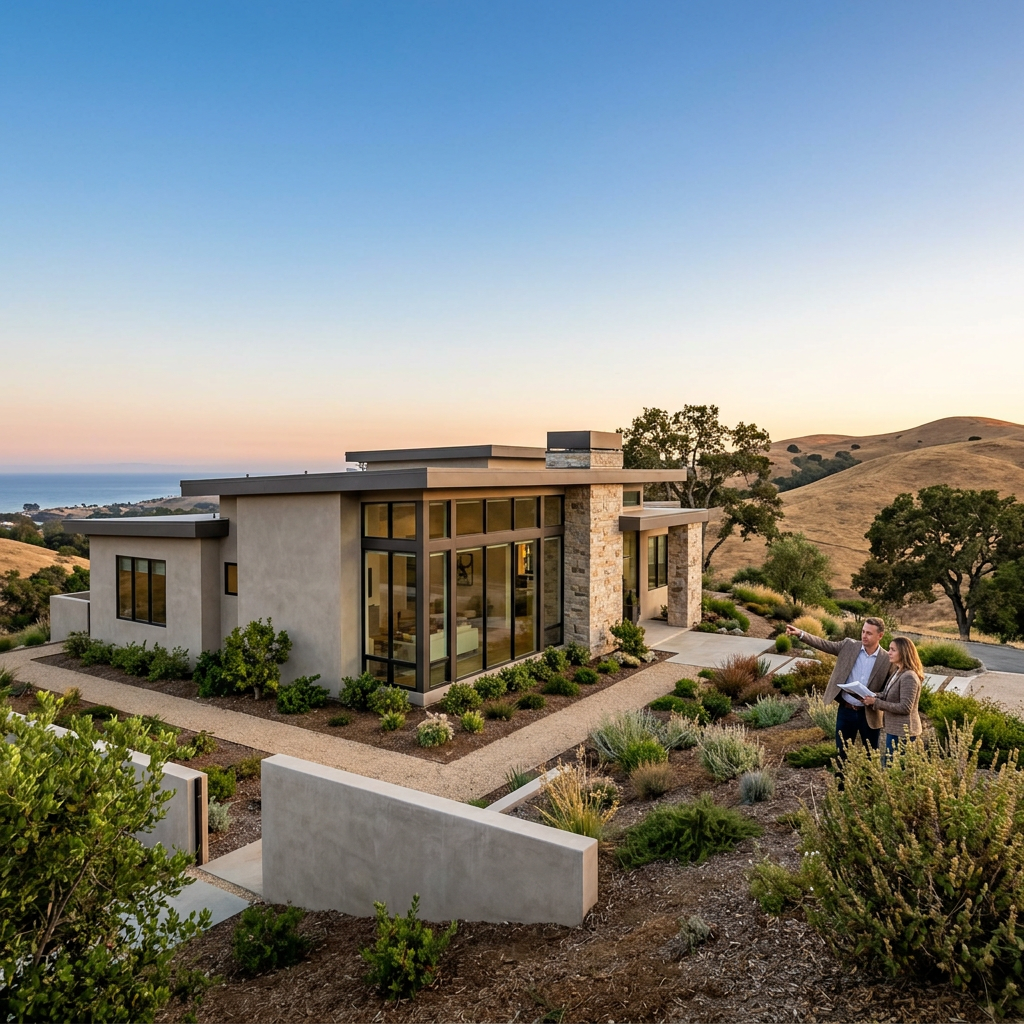
The Shift from Emergency Kits to Asset Hardening
For California homeowners in 2026, disaster preparedness has evolved beyond the traditional three-day emergency kit. In a real estate market increasingly defined by climate volatility, 'resilience' is now a primary driver of property value and long-term insurability. According to recent CAL FIRE data, nearly 25% of the state’s housing stock resides in high or very high fire hazard severity zones. Protecting these assets requires a sophisticated understanding of both physical mitigation and the shifting insurance landscape.
The 2026 Insurance Landscape: Navigating the FAIR Plan
The California Department of Insurance has implemented significant reforms over the past 24 months, yet the private market remains tight. Many homeowners find themselves turning to the California FAIR Plan as a last resort. However, recent legislative shifts now allow for 'bridge' policies that pair FAIR Plan fire coverage with traditional liability and theft insurance. To regain access to preferred private carriers, homeowners must demonstrate 'hardened' status. Data from the Insurance Institute for Business & Home Safety (IBHS) suggests that homes meeting 'Wildfire Prepared Home' standards are significantly more likely to secure private coverage at competitive rates.
Seismic Reality: The 'Brace and Bolt' Advantage
While wildfires dominate the headlines, seismic risk remains the most significant threat to structural integrity in urban centers. The USGS continues to estimate a 70% probability of a magnitude 6.7 or greater earthquake in the San Francisco Bay Area within the next decade. For owners of pre-1980 homes, seismic retrofitting—specifically the 'Brace and Bolt' method—is no longer an elective upgrade but a necessity for resale. MLS data increasingly shows that retrofitted homes command a 2-5% premium in high-risk zones compared to unreinforced counterparts.
Strategic Physical Mitigation: The Three Zones
Practical resilience begins with the 'Zone 0' strategy, a concept codified in California’s updated building standards. Homeowners should focus on three specific tiers of defense:
- Zone 0 (0-5 feet): Remove all combustible materials, including mulch and woody vegetation, from the immediate perimeter of the structure. Replace traditional vents with ember-resistant models.
- Zone 1 (5-30 feet): Create 'fuel breaks' with hardscaping or well-irrigated, low-growth fire-resistant plants.
- Zone 2 (30-100 feet): Thin trees and remove 'ladder fuels' that allow fire to climb from the ground to the canopy.
Investment Takeaways for California Owners
Whether you are a primary resident or an investor, the following steps are essential to maintaining the financial viability of California real estate:
- Audit Your Insurability: Annually review your policy limits against current construction costs. With inflation affecting labor and materials, 'replacement cost' values from 2023 are likely insufficient in 2026.
- Document Mitigation: Keep detailed records and photos of all resilience upgrades, including roof replacements (Class A fire rating) and defensible space clearing. These are vital for insurance appeals.
- Utilize MyShake: Ensure all residents are registered for the UC Berkeley-led MyShake app, which provides critical seconds of warning for seismic events.
- Verify Local Compliance: Many California municipalities now require wildfire home hardening disclosures during the escrow process. Proactive compliance prevents delays in closing.
As we navigate the spring of 2026, the California homeowner’s greatest risk is not the disaster itself, but the failure to adapt the property to the environment. Resilience is the new luxury amenity; it is the fundamental protector of home equity in the Golden State.


