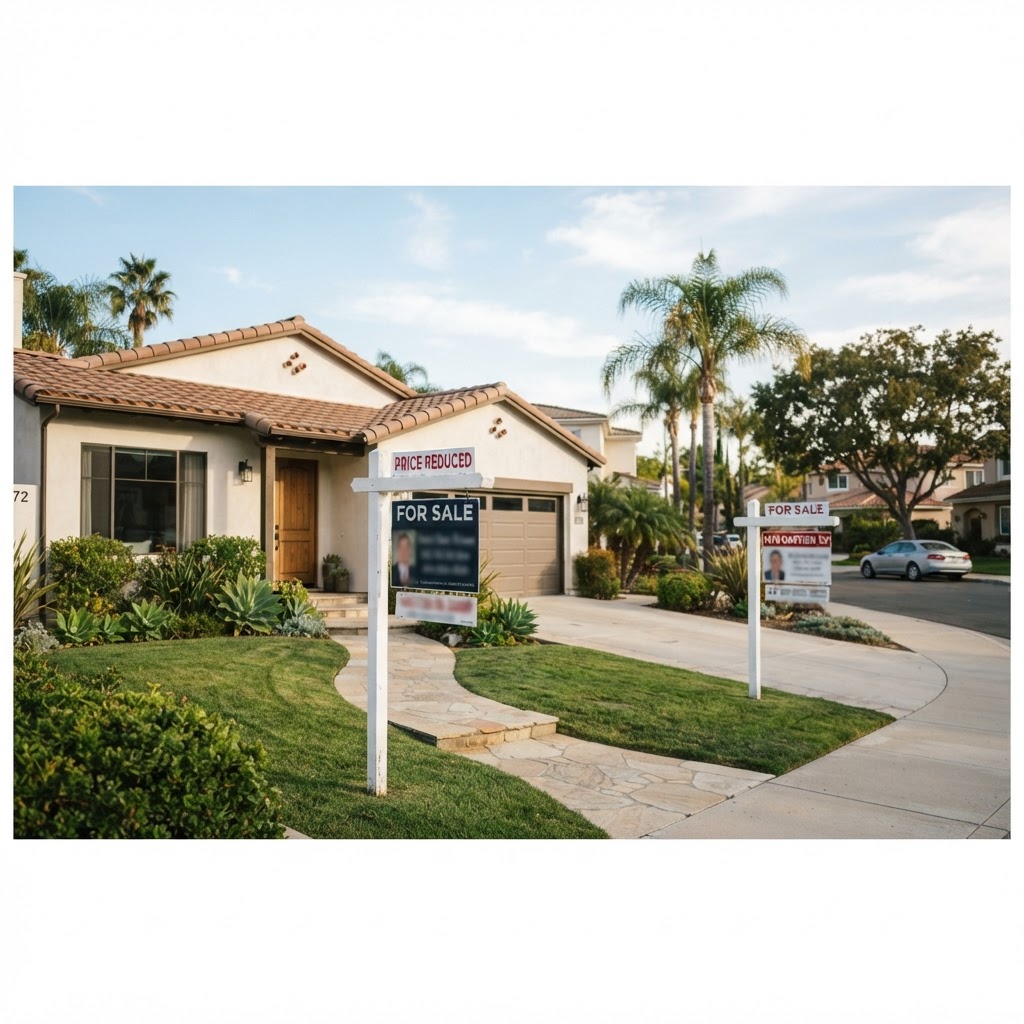
California Housing Market Faces Sales Slump as Mortgage Rates Climb
As of November 20, 2026, the California housing market is experiencing a significant slowdown. According to the California Association of Realtors, existing single-family home sales reached a seasonally adjusted annualized rate of 246,830 in October, marking the lowest level in nearly three years. This decline reflects the ongoing pressure of elevated borrowing costs on prospective buyers.
Mortgage Rates and Market Impact
Borrowing costs have continued to trend upward. As of November 19, 2026, the 30-year fixed mortgage rate rose to 7.28%, up 0.17 from the previous week, while the 15-year fixed mortgage rate increased to 6.66%, up 0.21 from the week before, according to the Freddie Mac Primary Mortgage Market Survey. These rising rates have contributed to a cooling effect on transaction volume across the state.
Despite the drop in sales, the statewide median home price remains relatively stable at $886,760, as reported by the California Association of Realtors. This price point suggests that while demand has softened, sellers remain firm in their pricing expectations.
National Construction Trends
On the supply side, the U.S. Census Bureau reported that privately-owned housing units authorized by building permits reached a seasonally adjusted annual rate of 1,295,000. Meanwhile, privately-owned housing starts were recorded at a seasonally adjusted annual rate of 1,309,000.
What This Means for Readers
For those looking to participate in the California real estate market, the current environment requires careful preparation:
- Verify your financing: With mortgage rates rising, consult with a licensed lender to understand how current interest rates impact your monthly payment and total purchasing power.
- Review your budget: Given the statewide median price of $886,760, ensure your financial planning accounts for current market conditions and potential shifts in affordability.
- Consult professionals: Before making any real estate decisions, speak with a licensed attorney or CPA to understand the legal and tax implications specific to your situation.
- Monitor local inventory: Market conditions can vary significantly by region; work with a local professional to understand the specific supply and demand dynamics in your target area.