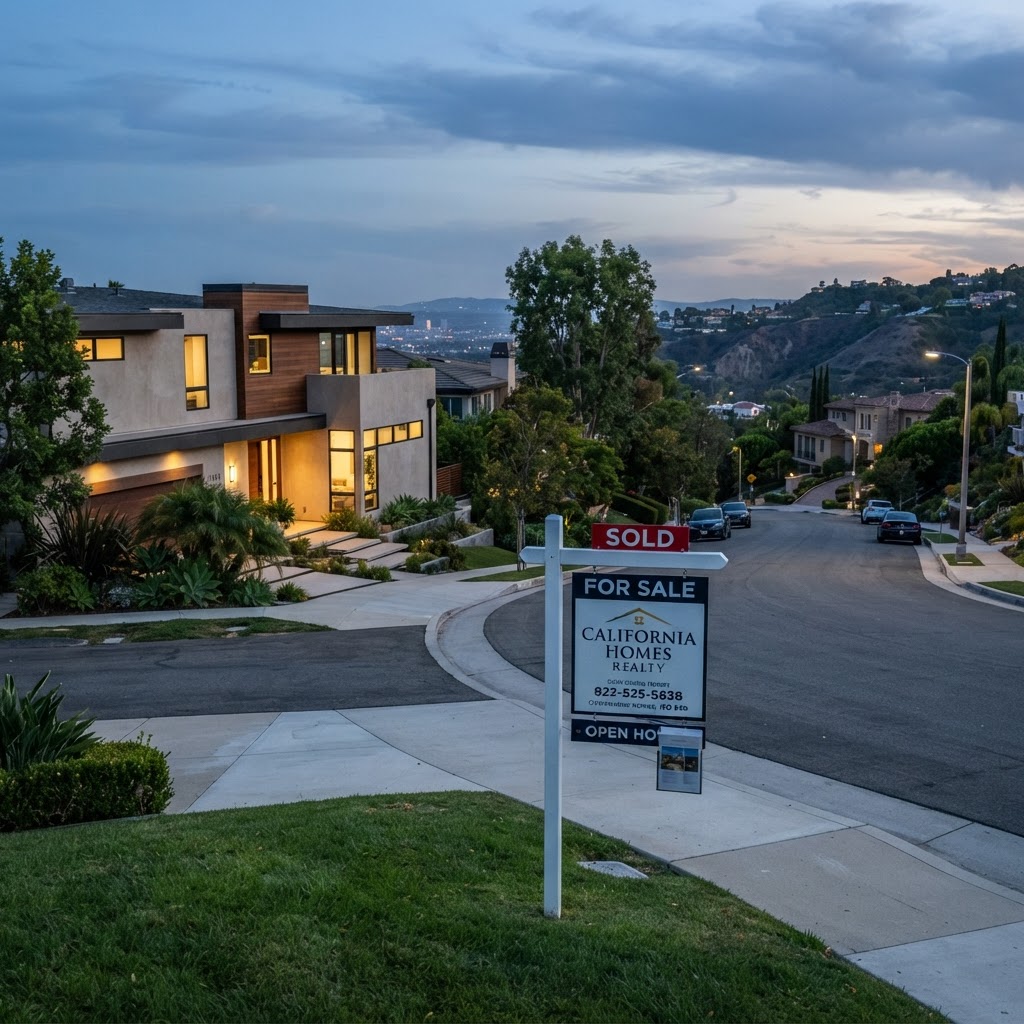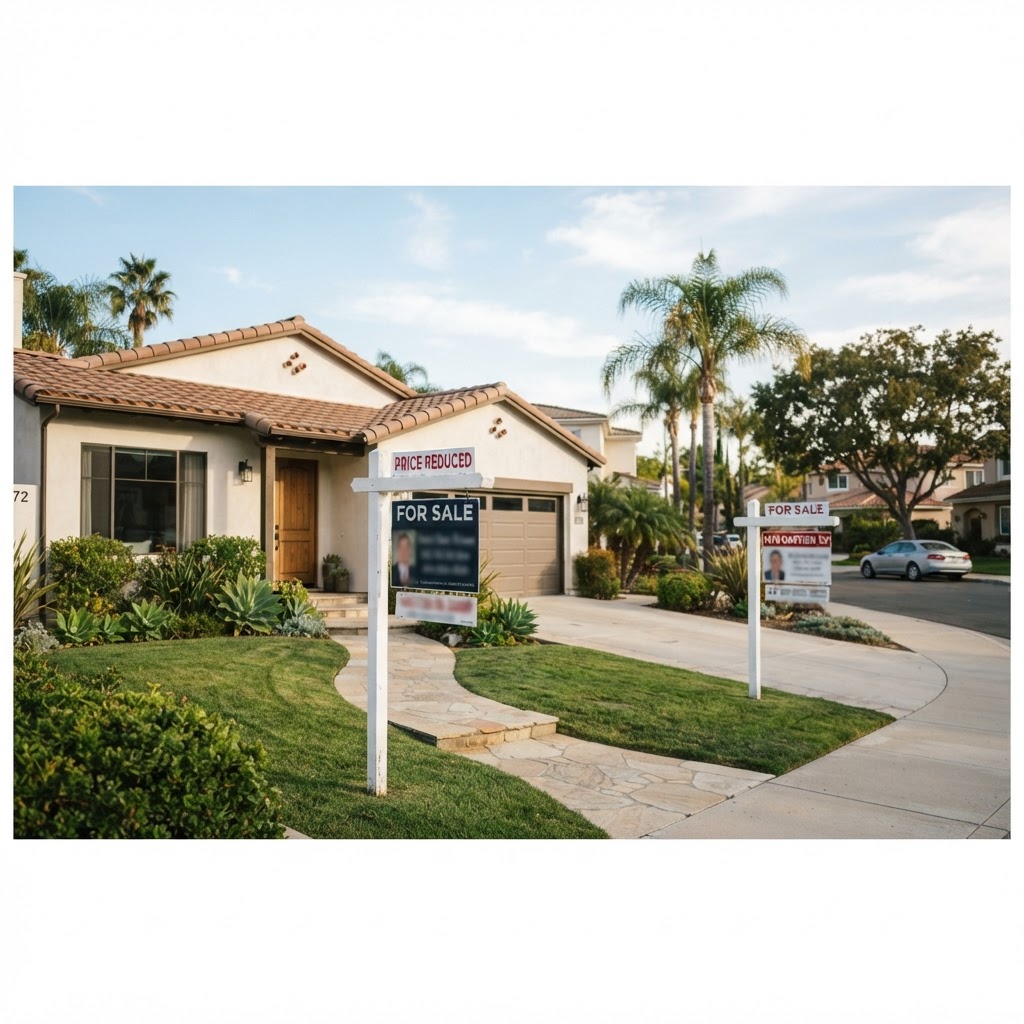
California Housing Market Stalls as Mortgage Rates Top 7%
As of November 12, 2026, the cost of borrowing has reached a significant threshold for prospective buyers, with the 30-year fixed mortgage rate at 7.11% and the 15-year fixed mortgage rate at 6.45%, according to the Freddie Mac Primary Mortgage Market Survey. These elevated rates continue to influence buyer behavior and transaction volumes across the state.
Sales and Pricing Trends
Data from the California Association of Realtors shows that as of October 19, 2026, existing single-family home sales in California reached a seasonally adjusted annualized rate of 260,410 in September. This figure represents a 3.4% decline from August and a 6.5% decrease compared to September 2025. Statewide sales have now remained below the 300,000-unit benchmark for 48 consecutive months.
Despite the softening in sales volume, the statewide median home price remained relatively stable at $899,720 in September, according to the California Association of Realtors. This reflects a minor 0.2% decrease from August, though it remains 1.7% higher than the median price recorded in September 2025.
National Construction Context
On a national level, the U.S. Census Bureau reported that new residential housing starts were at a seasonally adjusted annual rate of 1,221,000 in September 2026. During the same period, new residential building permits were issued at a seasonally adjusted annual rate of 1,400,000.
What This Means for Readers
The current market environment presents a complex landscape for those looking to enter or exit the California housing market. With mortgage rates elevated and sales volume constrained, buyers and sellers should consider the following:
- Verify your financing: With 30-year fixed rates at 7.11% as reported by the Freddie Mac Primary Mortgage Market Survey, consult with a licensed lender to understand how current rates impact your specific monthly payment and purchasing power.
- Monitor local inventory: Because statewide sales are below the 300,000-unit benchmark per the California Association of Realtors, inventory remains tight. Buyers should work with a real estate professional to identify active listings in their specific region, such as Southern California, where market conditions may vary from the state average.
- Prepare for negotiations: As the market experiences a seasonal slowdown, buyers may find more room to negotiate than in previous months. Ensure you have your financial documentation ready to act quickly when a suitable property is identified.
- Consult professionals: Real estate transactions involve significant financial and legal considerations. Always speak with a licensed attorney or CPA regarding the tax and legal implications of buying or selling property in the current economic climate.