Beyond the 7% Threshold: Navigating the New Reality of California Lending
As of November 11, 2026, the U.S. housing market continues to grapple with mortgage rates hovering above the 7% mark. While rates saw a brief period of relief in late October, recent inflation data has introduced renewed volatility, keeping the 30-year fixed-rate mortgage firmly in a range that challenges affordability for many, particularly in high-cost states like California.
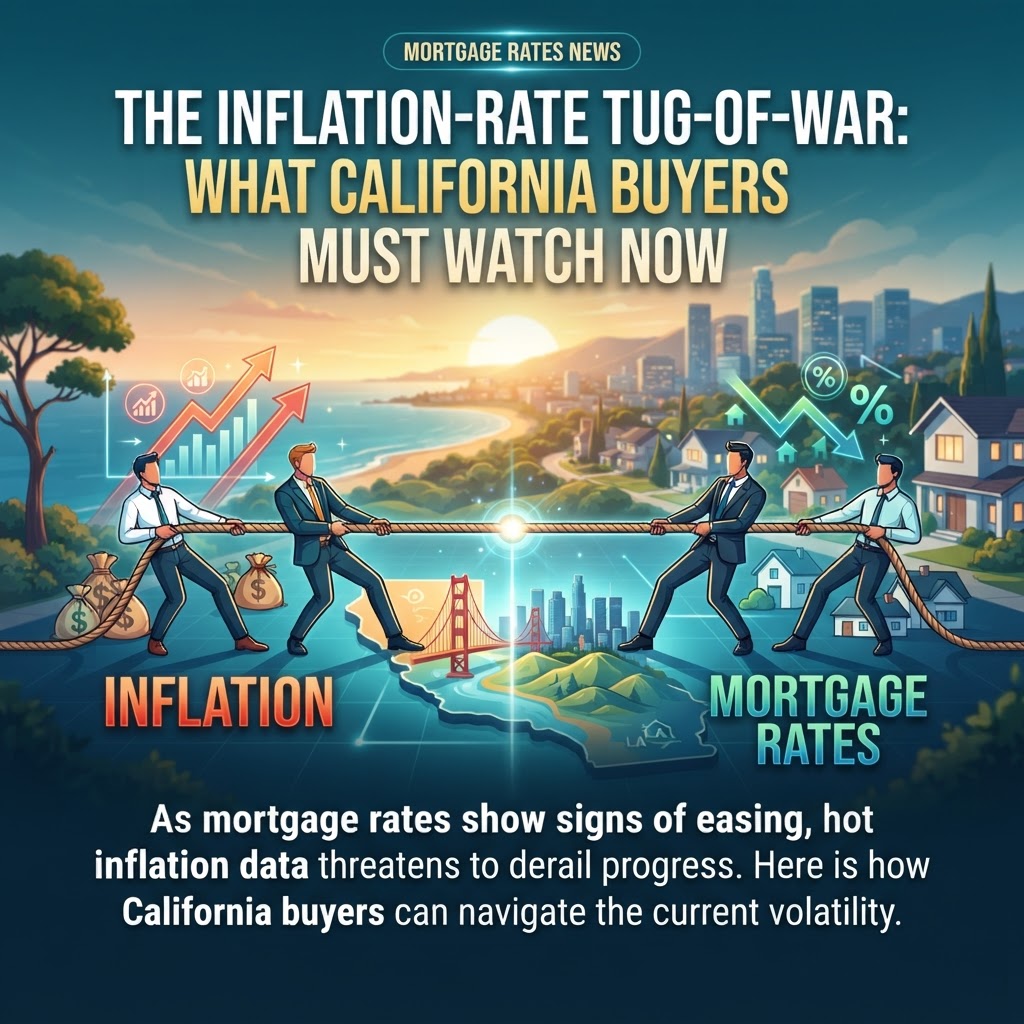
The Inflation-Rate Feedback Loop
The recent uptick in mortgage rates is largely tied to persistent inflationary pressures. According to recent market reports, the bond market reacted sharply to the latest Consumer Price Index (CPI) data, which showed broad-based price pressures. Because mortgage rates are closely linked to bond yields, this volatility has effectively stalled the downward momentum that buyers were hoping for throughout October.
The California Buyer’s Pivot: Incentives Over Price Cuts
In California, where the barrier to entry remains among the highest in the nation, the impact of a 7% rate environment is forcing a change in strategy. Rather than waiting for a significant drop in home prices, many buyers are increasingly looking toward new construction. Data indicates that approximately 43% of homebuilders are currently cutting prices, with an average reduction of 6%. More importantly, roughly 65% of builders are now offering incentives, such as mortgage rate buy-downs, to help buyers bridge the affordability gap.
Practical Takeaways for Market Participants
- Evaluate the Total Cost of Ownership: With rates elevated, focus on the long-term impact of rate buy-downs offered by builders. Compare the monthly payment during the initial incentive period against the projected payment once the buy-down expires.
- Consider ARM Alternatives: As fixed rates remain high, the share of adjustable-rate mortgages (ARMs) has climbed to its highest level since September 2025. For buyers who do not plan to stay in a home for more than 5–7 years, an ARM may offer a lower initial interest rate compared to a 30-year fixed product.
- Monitor Local Inventory Trends: While active listings have climbed nearly 9% in some regions, homes are taking longer to sell. This shift provides buyers with more leverage to negotiate closing costs or repair credits, which can be more effective than chasing a lower interest rate in a volatile market.
For California residents, the current environment demands a departure from the "wait-and-see" approach. By focusing on builder incentives and understanding the nuances of current lending products, buyers can navigate the 7% threshold more effectively than those relying solely on market-wide rate fluctuations.