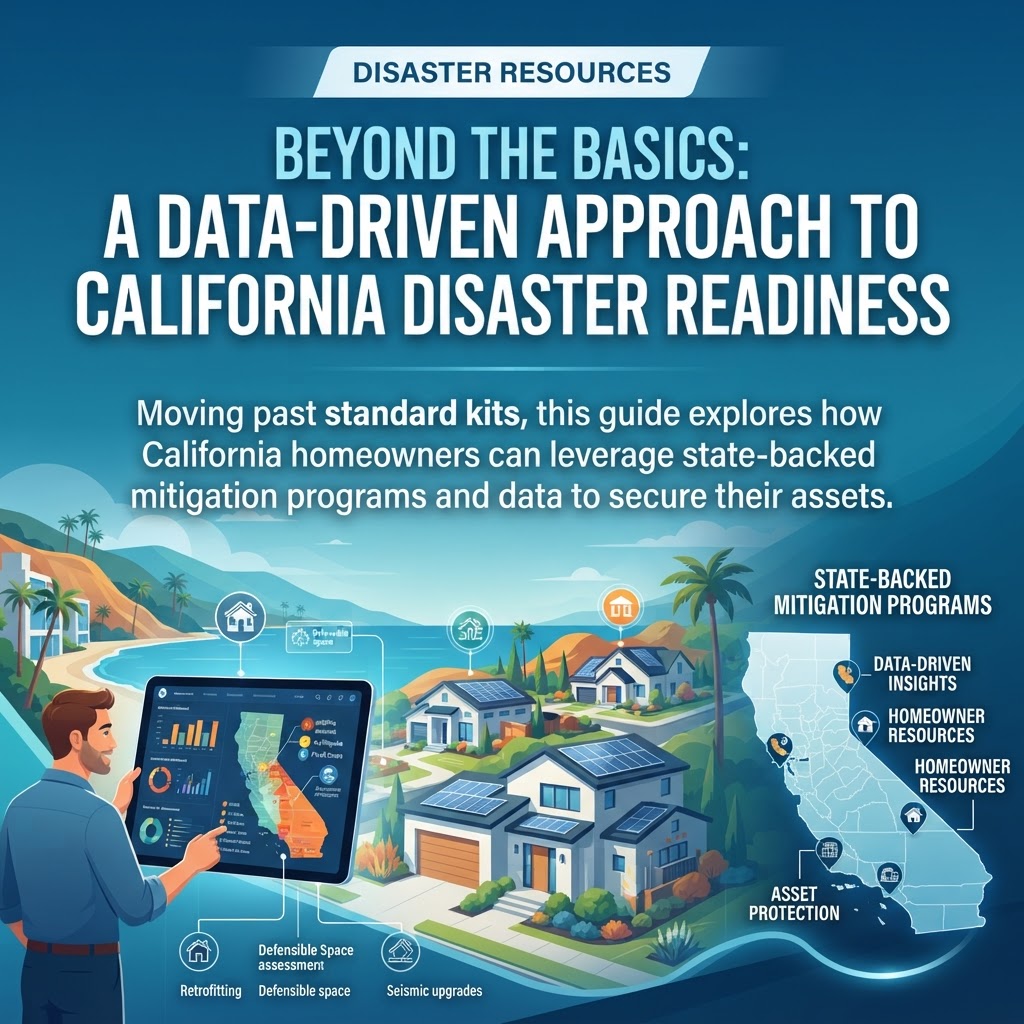
Beyond the Basics: A Data-Driven Approach to California Disaster Readiness
For the California homeowner, disaster preparedness has evolved from a simple 'go-bag' exercise into a complex financial and structural management strategy. With the state facing a perpetual cycle of wildfires, seismic activity, and extreme heat, relying on reactive measures is no longer sufficient. To protect home equity and ensure safety, homeowners must shift toward proactive, data-backed mitigation.
The Reality of the Risk Landscape
Recent data from the Public Policy Institute of California highlights a critical disconnect: while over 70% of Californians view wildfires as a serious threat to their economic well-being, preparedness levels remain uneven across regions. Residents in the Inland Empire report the highest concern (88%), yet only one in three Californians expect to rely on government assistance during a crisis, underscoring the necessity for individual household autonomy.
Leveraging State-Backed Mitigation
The most effective way to reduce long-term risk is through structural hardening. The California Residential Mitigation Program (CRMP) offers tangible pathways for homeowners to improve their property's resilience. Specifically, the Earthquake Brace + Bolt program provides grants of up to $3,000 to help homeowners seismically retrofit their foundations—a critical step for older homes that are statistically more vulnerable to seismic damage.
Practical Takeaways for Homeowners
- Audit Your Local Alerts: Do not rely on national news. Use the Listos California resource hub to identify your specific zip code’s emergency alert systems. Understanding the difference between an 'Evacuation Warning' and an 'Evacuation Order' can be the difference between a safe exit and a trapped scenario.
- Financial Continuity Planning: Beyond physical supplies, ensure your insurance policy is updated to reflect current replacement costs rather than market value. As California navigates a complex insurance market, maintaining a digital 'Stay Box'—a secure, cloud-based repository of property deeds, insurance policies, and inventory photos—is essential for rapid recovery.
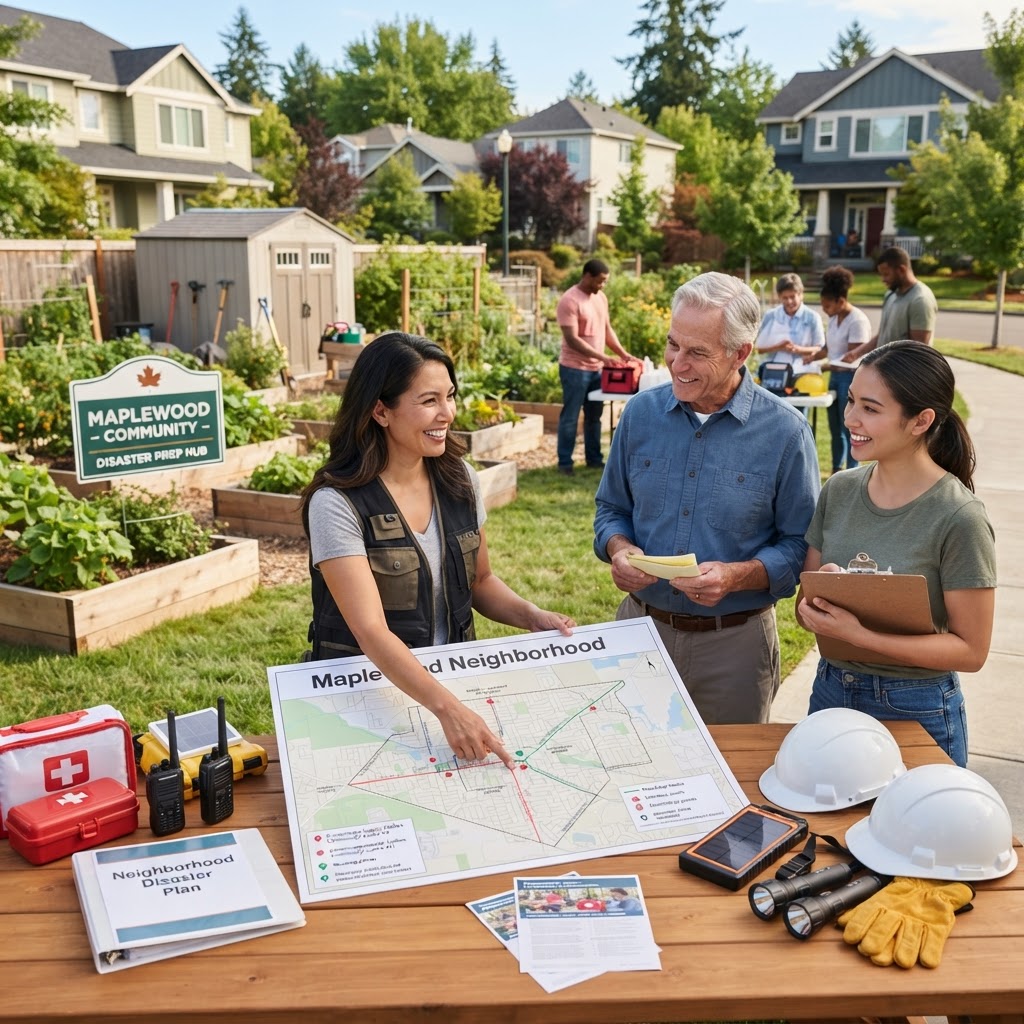
- Community-Level Engagement: With the state investing $100 million into community-based preparedness programs, many local nonprofits now offer free training and supply distribution. Engaging with these local organizations can provide resources that are often overlooked by individual homeowners.
Conclusion
Resilience in California is not a static state; it is a continuous process of assessment and adaptation. By integrating structural grants, localized alert systems, and digital documentation, homeowners can move from a state of vulnerability to one of calculated readiness. As the state continues to fund community-level initiatives, the most prepared homeowners will be those who treat disaster readiness as a fundamental component of property maintenance rather than an afterthought.