The 2026 California Buyer’s Due Diligence Framework
In the 2026 California housing market, where median home prices remain elevated and inventory remains constrained, the difference between a successful purchase and a costly mistake lies in the depth of your due diligence. While market conditions have stabilized, the legal and physical complexities of California real estate require a rigorous, systematic approach to investigation.
1. Mastering the Disclosure Landscape
California law mandates extensive seller disclosures. However, savvy buyers must look beyond the standard Transfer Disclosure Statement (TDS). Ensure your agent secures the Natural Hazard Disclosure (NHD) report, which is critical in 2026 for assessing wildfire, flood, and seismic risks. Furthermore, verify compliance with state-mandated retrofits, including water heater bracing and smoke alarm requirements, which are non-negotiable for insurance underwriting.
2. The HOA and Community Association Audit
With California ranking among the top states for community associations, many buyers will encounter Homeowners Associations (HOAs). Do not simply review the CC&Rs; request the Reserve Study and the minutes from the last 12 months of board meetings. Look specifically for upcoming special assessments related to balcony inspections (SB 326) or structural repairs. In 2026, an HOA with underfunded reserves is a significant financial liability that can impact your ability to secure financing.
3. Insurance Pre-Screening
Never wait until the escrow period to check insurance eligibility. Given the volatility in the California property insurance market, obtain a quote for a specific property address before submitting an offer. Some properties in high-risk zones may be uninsurable by standard carriers, forcing you into the FAIR Plan, which carries higher premiums and limited coverage. This step is now as critical as your mortgage pre-approval.
4. Practical Takeaways for the 2026 Buyer
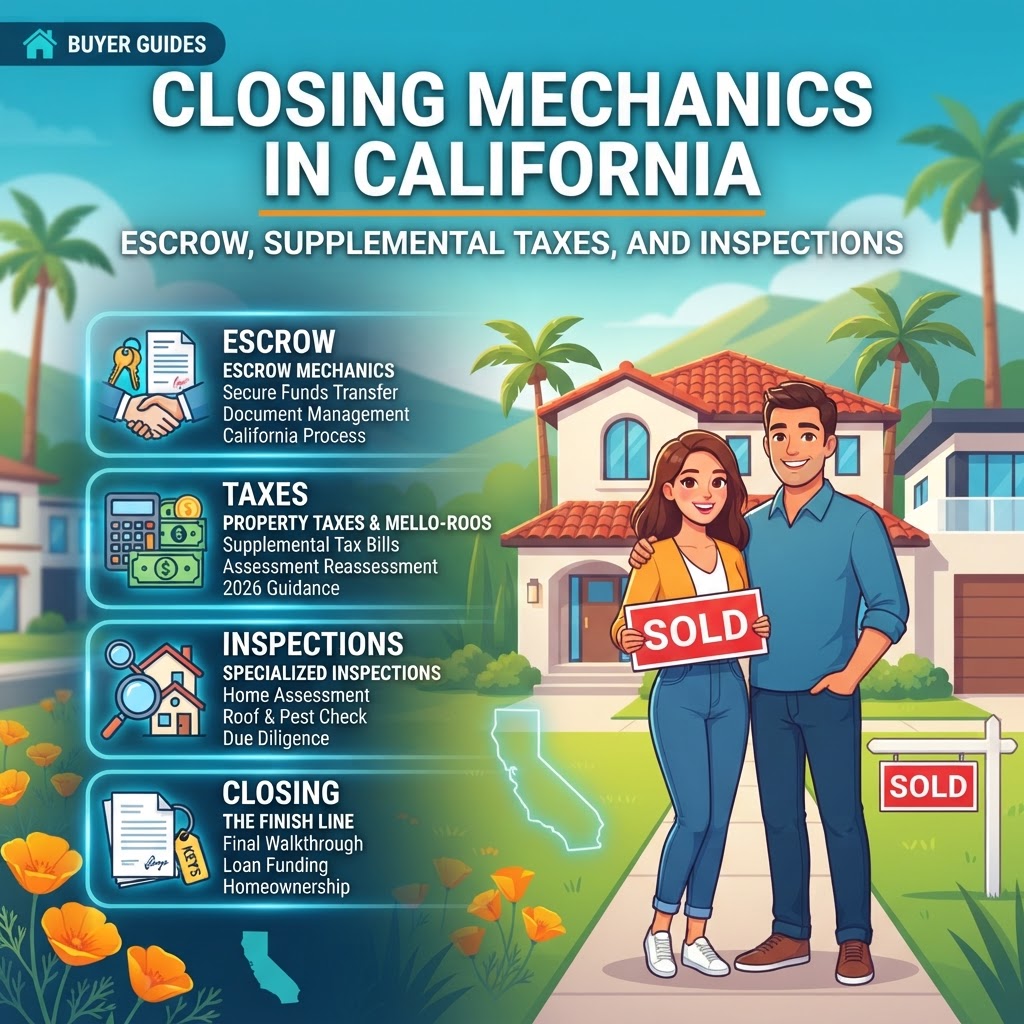
- Verify the Supplemental Tax Bill: California property taxes are reassessed upon sale. Use the county assessor’s online calculator to estimate your new tax burden, as it will likely be higher than what the current seller pays.
- Request Verbal Inspection Reports: If you are in a competitive bidding situation, consider requesting that your inspector provide a verbal summary first. This allows you to gauge the property's condition without creating a formal written report that the seller would be legally obligated to disclose to future buyers if your deal falls through.
- Check for Unpermitted ADUs: With the rise of Accessory Dwelling Units, ensure any secondary structures are permitted. An unpermitted unit can lead to significant legal and insurance headaches post-closing.
By shifting your focus from merely winning the bid to thoroughly auditing the property's legal and physical health, you protect your long-term equity in the Golden State's unique market.