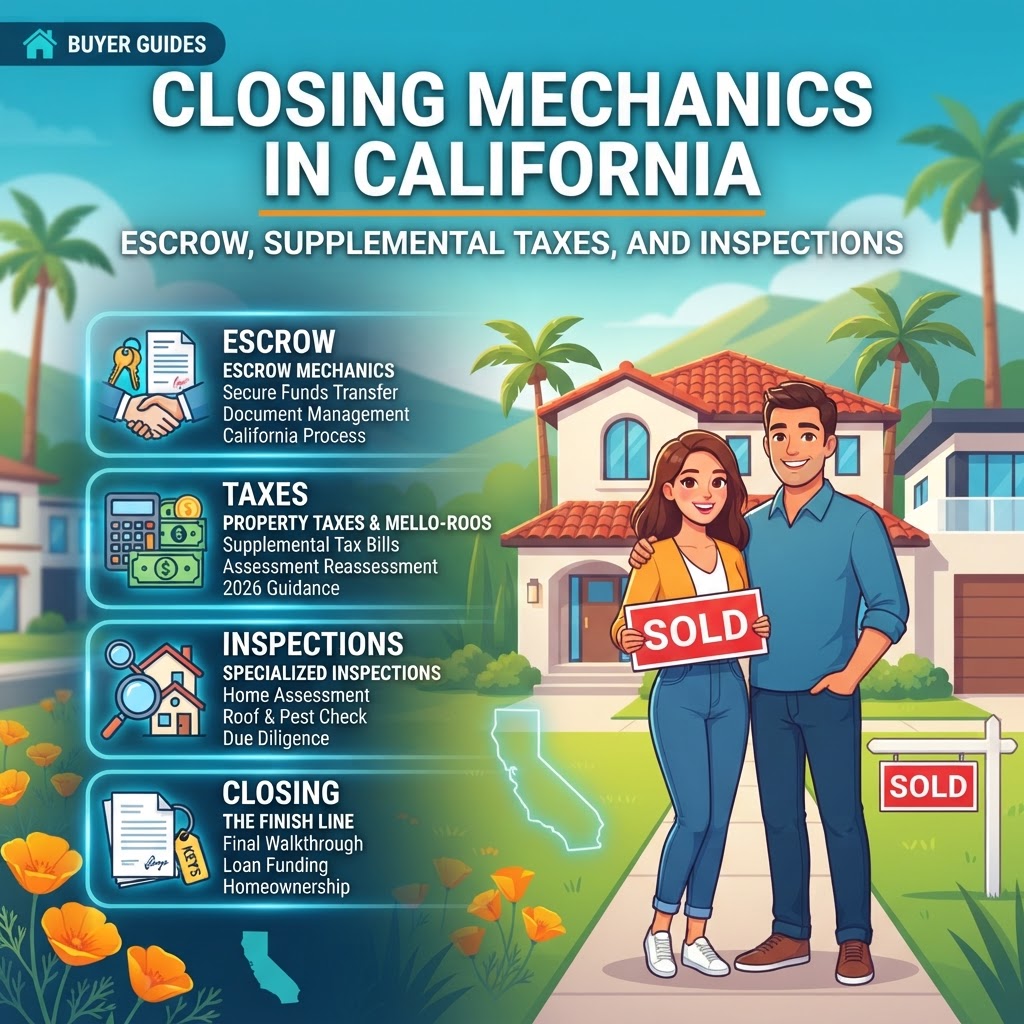
The 2026 Market: A Shift Toward Balance
As of August 2026, the California housing market is transitioning from a period of intense seller dominance toward a more balanced environment. According to the California Association of REALTORS® (C.A.R.) 2026 Forecast, the statewide median home price has reached approximately $914,810, a record high that reflects a 3.6% to 4.1% year-over-year increase. However, this price growth is met with a significant 10% projected increase in active inventory, providing buyers with the most breathing room they have seen in years.
While Redfin data indicates that 36.1% of homes still sell above list price, the market is no longer a monolith of bidding wars. Success in 2026 requires a selection strategy that leverages new state-level zoning reforms designed to increase supply in specific corridors.
Leveraging the Transit-Oriented Development (TOD) Boom
The most significant shift for 2026 buyers is the implementation of SB 79, which went into effect on July 1, 2026. This law allows the state to override local density limits to permit high-density residential development near major transit stops in high-demand counties like Santa Clara, San Mateo, and Alameda, according to AL Homes.
For buyers, this creates a new category of inventory: transit-adjacent condos and townhomes that bypass traditional local NIMBY restrictions. When selecting a property, buyers should prioritize these "Transit Priority Areas" (TPAs), as they are likely to see the most robust infrastructure investment and long-term value retention due to their proximity to major employment hubs and commuting corridors.
The Return of the Entry-Level: Streamlined Starter Homes
For first-time buyers, 2026 offers a unique window through SB 684 and SB 1123. These laws streamline the approval process for smaller, "starter home" developments of up to 10 units on infill lots. This legislative push is designed to bridge the gap for those who find the $914,000 median price for single-family homes unattainable.
Buyers should look for "infill" developments in established neighborhoods that were previously zoned only for single-family residences. These properties often offer modern amenities and energy-efficient builds at a lower price point than traditional detached homes, though they may come with smaller lot sizes.
Navigating the 2026 Transaction Process
Despite the increase in inventory, the California buying process remains fast-paced. Buyers must be prepared for the following specific conditions:
- Contingency Management: The standard California residential purchase agreement typically allows for a 17-day contingency period to clear inspections, appraisals, and financing, as noted by GTG Financial. In the current balanced market, waiving these is rarely necessary and highly discouraged.
- Mortgage Readiness: With mortgage rates fluctuating, securing a pre-approval that includes a full underwriter review—not just a pre-qualification—is essential. Lenders like JVM Lending note that conforming loans can now close in as few as 14 days, making speed a competitive advantage.
- Regional Nuance: While coastal metros remain competitive, inland markets are seeing higher inventory levels, offering more opportunities for seller concessions, such as rate buy-downs or repair credits.
Practical Takeaways for the 2026 California Buyer
- Target SB 79 Zones: Focus your search within a half-mile of major transit hubs to benefit from new high-density inventory and potential appreciation.
- Verify Infill Opportunities: Ask your agent specifically for SB 684-compliant developments, which often provide the best entry-level pricing in high-value zip codes.
- Budget for Total Cost: Beyond the $900k+ purchase price, factor in California’s specific property tax rates and the rising cost of homeowner’s insurance, which remains a critical hurdle in fire-prone or high-risk areas.
- Maintain Contingencies: Use the 17-day window to perform a "Structural Audit," focusing on seismic safety and HOA health, especially in newer high-density builds.