The Great Inventory Rebound
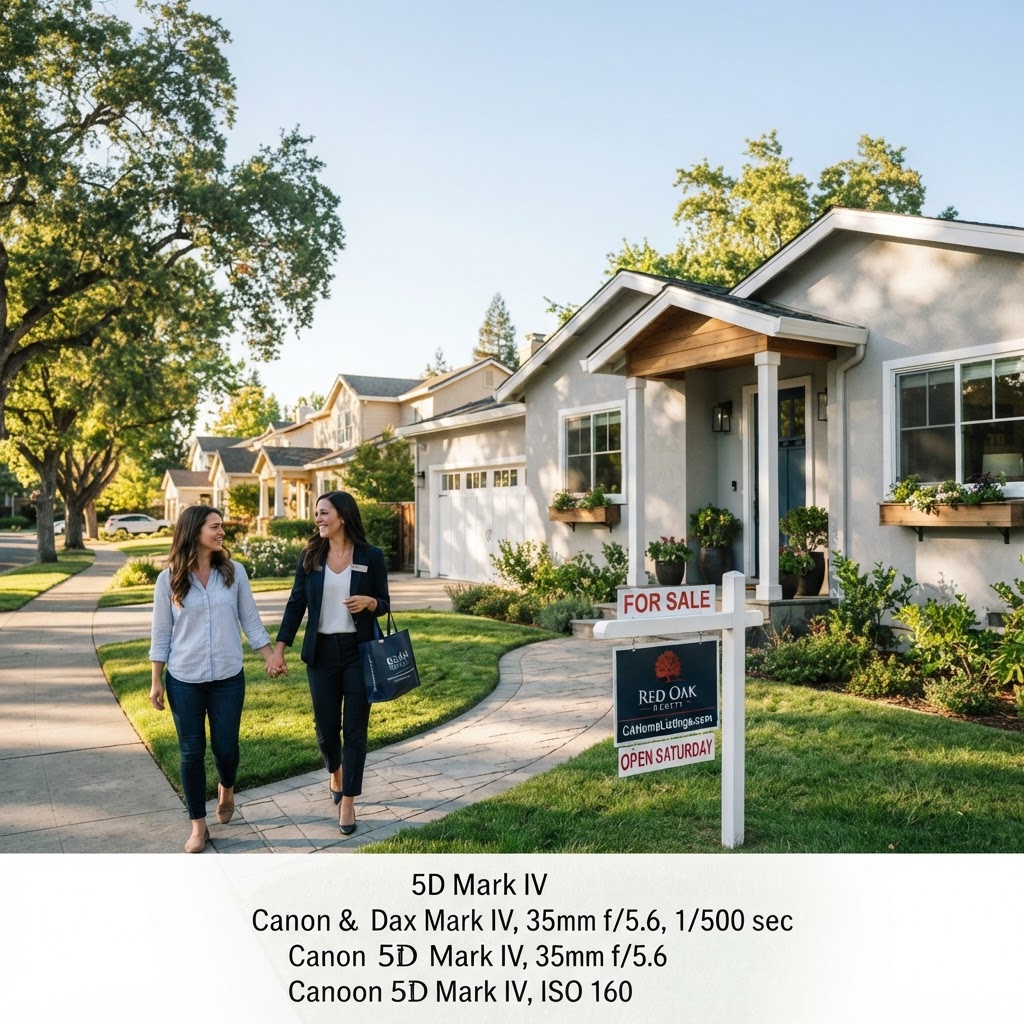
For the first time in over three years, the narrative of California real estate is shifting from 'scarcity at any cost' to 'selection with caution.' As of late August 2026, data from firsttuesday Journal indicates that for-sale inventory in California’s largest metropolitan areas has surged by 25% compared to the previous year. This influx of listings is finally providing the relief that buyers have sought since the pandemic-era supply crunch.
While the statewide median price remains high at approximately $887,400, according to Restar, the pace of appreciation has flattened to 0.0% year-over-year in several key regions. This stabilization is a direct result of the 'inventory thaw,' where the average length of time a property sits on the market has extended to 33 days, forcing sellers to adopt more realistic pricing strategies to attract increasingly selective buyers.
The 6% Rate Catalyst
A significant driver of this market movement is the stabilization of mortgage rates. According to market forecasts from Ashby and Graff, rates easing toward the 6.0% threshold have acted as a psychological trigger for 'move-up' buyers. These are homeowners who were previously 'locked in' by low 3% rates but are now finding the 6% mark acceptable enough to list their current homes and transition into larger properties.
However, affordability remains a steep climb. The California Legislative Analyst’s Office (LAO) reports that only 22% of California households currently qualify for a mid-tier home mortgage, down from 31% in 2019. This disconnect between rising inventory and stagnant affordability is creating a 'bifurcated' market where well-priced homes in the $750,000 range move quickly, while luxury listings face significant price corrections.
Regional Divergence: The Inland Empire and Central Coast
The shift toward a buyer’s market is not uniform across the Golden State. While coastal cores like San Francisco and San Diego remain supply-constrained with vacancy rates below 5%, mid-tier growth markets are seeing the most dramatic shifts. Regions such as Riverside, the Central Coast, and Sierra foothill counties are experiencing a different mix of migration and construction demand. In these areas, the 2026 regional outlook suggests that buyers have the most leverage, with more active listings to choose from and sellers who are more willing to negotiate on closing costs or repairs.
Practical Takeaways for the 2026 Market
- For Buyers: With inventory up 25%, do not rush into the first home you see. Use the increased 'Days on Market' (DOM) as leverage to negotiate repairs or interest rate buy-downs, which are becoming common again in Inland Empire transactions.
- For Sellers: The days of 'scarcity doing the work' are over. Properties must be priced sharply against recent comps. According to industry experts, a 3.6% median gain is still possible, but only for homes that stand out in a crowded field of active listings.
- For Investors: Focus on supply-constrained coastal submarkets where rental demand remains high due to the ownership qualification gap. While the 'buyer's market' is emerging in the suburbs, the coastal cores still offer the strongest pricing power for landlords.