The Demographic Pivot: Cash and Equity Overcome Interest Rates
As of Wednesday, August 19, 2026, the California real estate landscape is witnessing a significant demographic shift. According to the National Association of REALTORS® (NAR) 2026 Generational Trends Report, Baby Boomers have officially reclaimed their status as the largest generation of homebuyers, now accounting for 42% of the market. This resurgence comes at a time when the statewide median price for a single-family home stands at $904,640, according to the California Association of Realtors (C.A.R.).
While younger generations remain sensitive to the current 30-year fixed mortgage rates—which are hovering between 6.65% and 6.75%—Boomers are leveraging a massive wealth advantage. Data from Property Focus reveals that California currently has 7,505,142 properties with more than 50% equity, and nearly 2.9 million homes are fully paid off. This 'equity cushion' allows older buyers to make aggressive, often all-cash offers that bypass the financing hurdles currently stalling Millennial and Gen Z buyers.
The Equity Standoff and Inventory Constraints
Despite a slight increase in listings compared to last year, inventory remains historically tight. As of June 2026, there were approximately 157,595 homes for sale statewide, a 3.46% decrease year-over-year, according to Realtor.com. The shortage is most acute in the 'starter home' segment, where low-tier priced housing has the lowest levels of available inventory.
This scarcity is creating a 'lock-in' effect for many, but not for the equity-rich. While the C.A.R. 2026 Forecast projects a gentle 3.6% price growth for the year, the market remains bifurcated. In high-cost hubs like the San Francisco Bay Area, median prices exceed $1.3 million, further concentrating buying power in the hands of those with existing real estate assets.
Regional Market Movements
- San Francisco Bay Area: Remains the most expensive region with a median price over $1.3M and vacancy rates under 5%.
- Southern California: Seeing steady rent growth and high demand for Class B and C assets as affordability pushes residents out of the purchase market.
- Central Coast & Sierra Foothills: Emerging as 'move-up' destinations for equity-rich sellers leaving coastal metros, keeping local supply tight.
Practical Takeaways for Today’s Market
For Sellers: Target the Downsizer
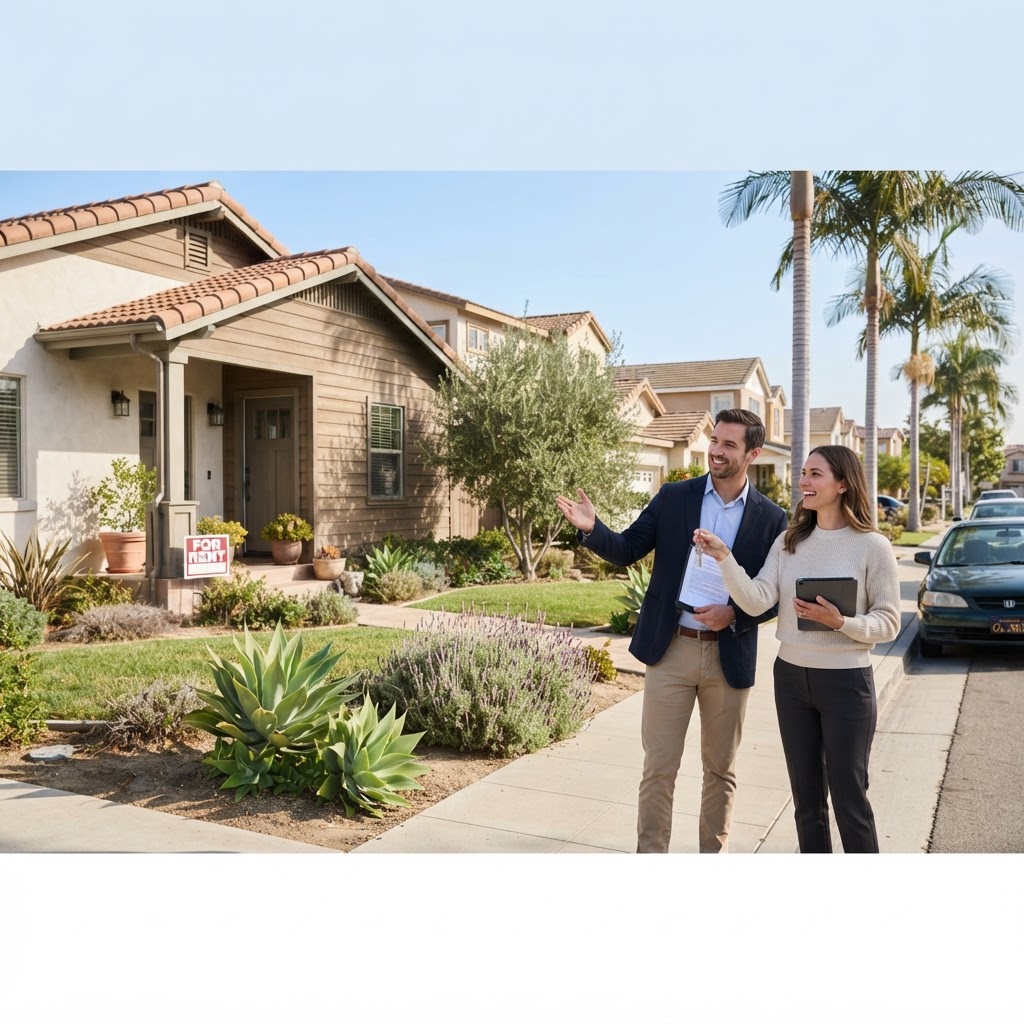
With Boomers dominating 42% of the market, sellers should focus on features that appeal to downsizers: single-story layouts, low-maintenance landscaping, and proximity to healthcare and lifestyle amenities. High-equity buyers are less concerned with interest rates and more focused on quality of life and long-term asset stability.
For Buyers: Look for 'Involuntary' Opportunities
With 22,177 properties currently in pre-foreclosure and over 700,000 involuntary liens recorded statewide, savvy buyers and investors should look beyond the MLS. These distressed assets often represent the few remaining entry points in a market where the affordability index has dropped to 18%.
For Investors: The Compliance Factor
Investors must remain vigilant regarding regulatory shifts. The AB 1482 rent cap compliance is a growing source of legal disputes. Ensuring that annual rent increase notices are calculated correctly against the applicable CPI index is critical for maintaining portfolio health in 2026.
Looking Ahead
The remainder of 2026 is expected to see a 'warming thaw' as the average 30-year fixed rate is projected to settle near 6.0%. However, experts warn that easier qualification for loans is not a substitute for durable supply. Until new construction can offset the structural shortage, the California market will continue to be defined by those who already own a piece of it.