The Shift: From Shelter to Micro-Development
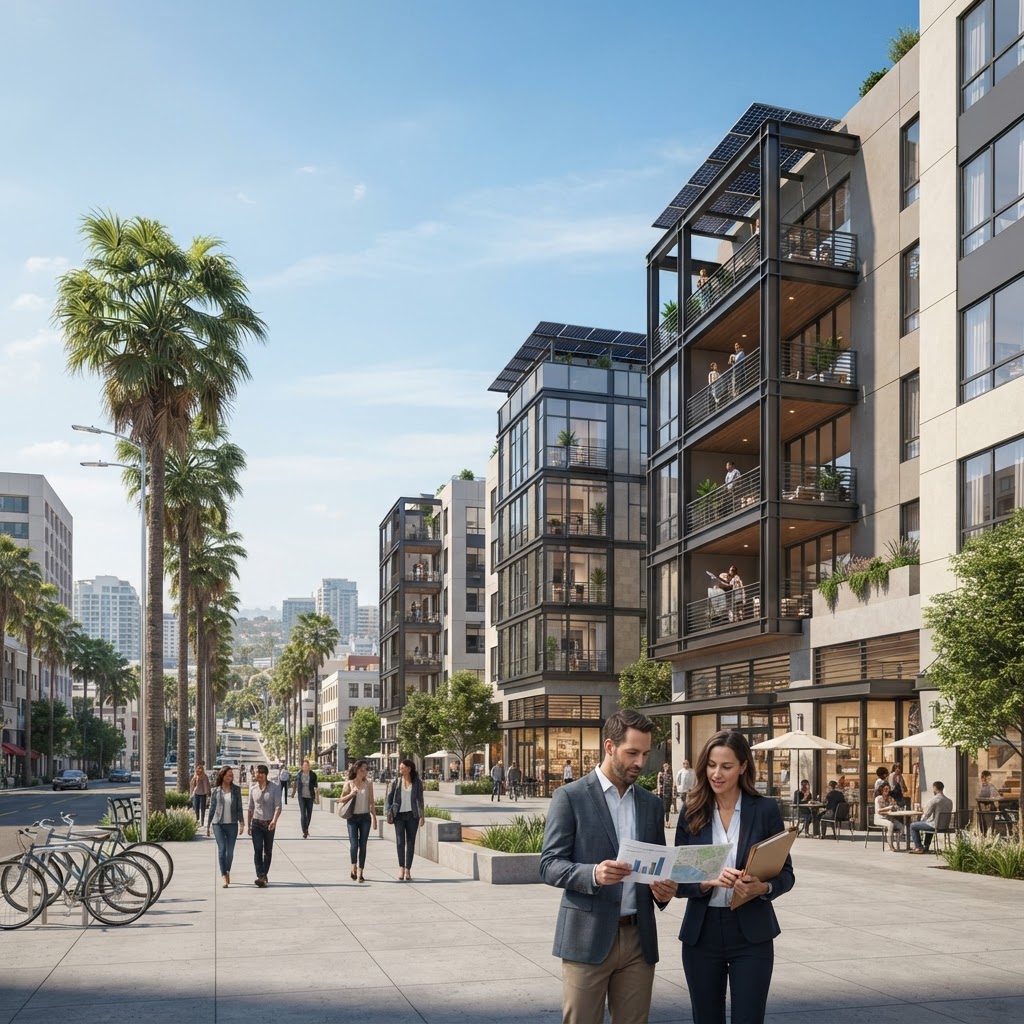
As of August 2026, the California real estate landscape has moved past the 'lock-in' era and into a phase of strategic density. With the statewide median home price hovering near $890,000 (according to California Association of Realtors data), the successful 2026 buyer is no longer just looking for a three-bedroom suburban footprint. Instead, they are looking for Zoning-Optimized Assets.
This guide outlines the practical steps for navigating the current market, where the ability to add a Junior Accessory Dwelling Unit (JADU) or utilize SB 9 lot-splitting provisions has become the primary lever for long-term affordability and equity growth.
1. The 2026 Financial Strategy: Financing for Two
Standard 30-year fixed mortgages remain the baseline, but the '2026 Pivot' involves leveraging renovation-to-construction loan products. When vetting a property, buyers must evaluate it through the lens of Debt-to-Income (DTI) offsets. In 2026, many California lenders allow a portion of projected ADU rental income to be used for qualification purposes, provided the property meets specific jurisdictional requirements.
- Practical Takeaway: Before making an offer, secure a 'Pre-Approval Plus' that accounts for construction costs of an ADU. This allows you to finance the acquisition and the value-add density simultaneously.
2. Regional Market Conditions: The Coastal vs. Central Valley Spread
Current MLS data from August 2026 shows a distinct divergence. While the San Francisco Bay Area and Coastal Orange County have seen a 4.2% year-over-year price stabilization, the Inland Empire and Central Valley (specifically Fresno and Sacramento) continue to see volume growth due to the expansion of high-speed rail corridors and remote-work infrastructure.
| Region | Median Price (Aug '26 Est) | Inventory Trend | Strategy |
|---|---|---|---|
| Coastal SoCal | $1.1M | Tight | JADU Conversion |
| Central Valley | $540,000 | Increasing | New Build / Multi-Gen |
| Bay Area | $1.3M | Steady | SB 9 Lot Splits |
3. The Search Filter: Identifying 'ADU-Ready' Footprints
A 2026 home buyer should look beyond the aesthetic of the kitchen and focus on the Utility Core. State mandates have streamlined the permitting process, but physical constraints still exist. When touring homes this summer, prioritize:
- Power Capacity: Does the electrical panel support 200+ amps for a detached unit and EV charging? Upgrading panels in 2026 is a significant cost center ($4,000–$7,000).
- Setback Clarity: Ensure the property has the minimum 4-foot rear and side setbacks required for a detached ADU under current state law.
- Sewer Lateral Access: Look for properties where the sewer line is accessible from the backyard to avoid costly trenching under the existing primary structure.
4. The 2026 Appraisal Reality
The appraisal process has evolved. Following the 2025 updates to GSE (Fannie Mae/Freddie Mac) guidelines, appraisers are now more consistently attributing value to 'Bonus Density.' However, a 'paper permit' is not a 'finished unit.'
Practical Takeaway: If you are buying a property with an existing unpermitted ADU—a common occurrence in the 2026 market—insist on a 'Legalization Contingency.' This allows you to withdraw if the structure cannot be brought to current code under the California Residential Code (CRC) without prohibitive expense.
5. The Closing Window: Late-Summer Dynamics
Mid-August typically sees a slight cooling in buyer competition as the school year begins. In 2026, we are seeing a shift where 'Days on Market' for single-family homes with no density potential have increased to 35 days, while 'Density-Ready' homes are moving in 12 days.
- Actionable Insight: Focus your search on 'Stale Assets'—properties that have been on the market for 30+ days because they lack curb appeal but possess flat, accessible lots. These are the primary targets for the 2026 'Value Play.'
Final Checklist for the 2026 Buyer
- Verify HCD Status: Check the local jurisdiction’s progress on their Housing Element to see if they are subject to 'Builder's Remedy' or other pro-density mandates.
- Solar Mandate Compliance: Remember that any new ADU construction will likely require solar panels under Title 24, adding $8,000–$12,000 to your post-purchase budget.
- Escrow Efficiency: Use digital earnest money deposits (EMD) and ensure your lender is utilizing the 2026 Automated Valuation Model (AVM) hybrid appraisals to speed up the 21-day closing cycle.