The New Math of California Homeownership
As of August 2026, the dream of California homeownership has reached a new financial milestone—one that is increasingly out of reach for the state’s middle class. According to recent data from the California Association of Realtors (C.A.R.), housing affordability has retreated to just 19%, requiring a minimum annual income of approximately $228,400 to qualify for a median-priced home.
Despite a slight moderation in price growth earlier this year, 30-year fixed mortgage rates hovering between 6.5% and 6.75% have cemented a high-cost floor. This economic reality has created a staggering disparity between the costs of leasing and owning, fundamentally altering the state's demographic trajectory.
The 62% Ownership Premium
The most significant headwind for prospective buyers is the widening gap between monthly rent and mortgage obligations. Data from the Legislative Analyst’s Office (LAO) indicates that the monthly cost premium of ownership over renting in California now stands at approximately 62%.
In practical terms, a household paying $2,800 per month in rent would need to spend roughly $4,500 per month to own a comparable home in the same market. This $1,700 monthly "ownership tax" is keeping even high-earning professionals in the rental pool longer than in previous cycles. As noted by ManageCasa, this has led to record-high rental demand in supply-constrained coastal markets like Silicon Valley and San Diego, where rent growth is currently outpacing the national average at 4.5%.
Legislative Relief: Transit Corridors and Density
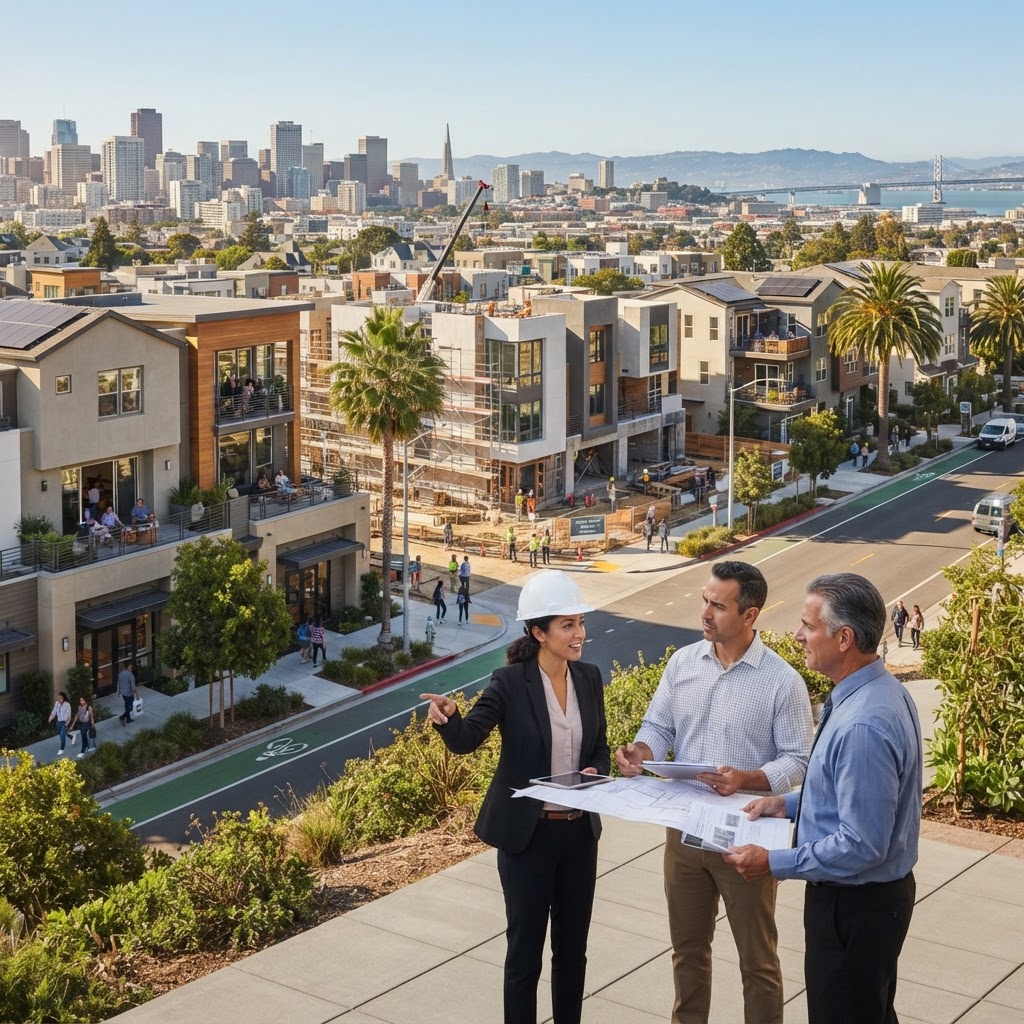
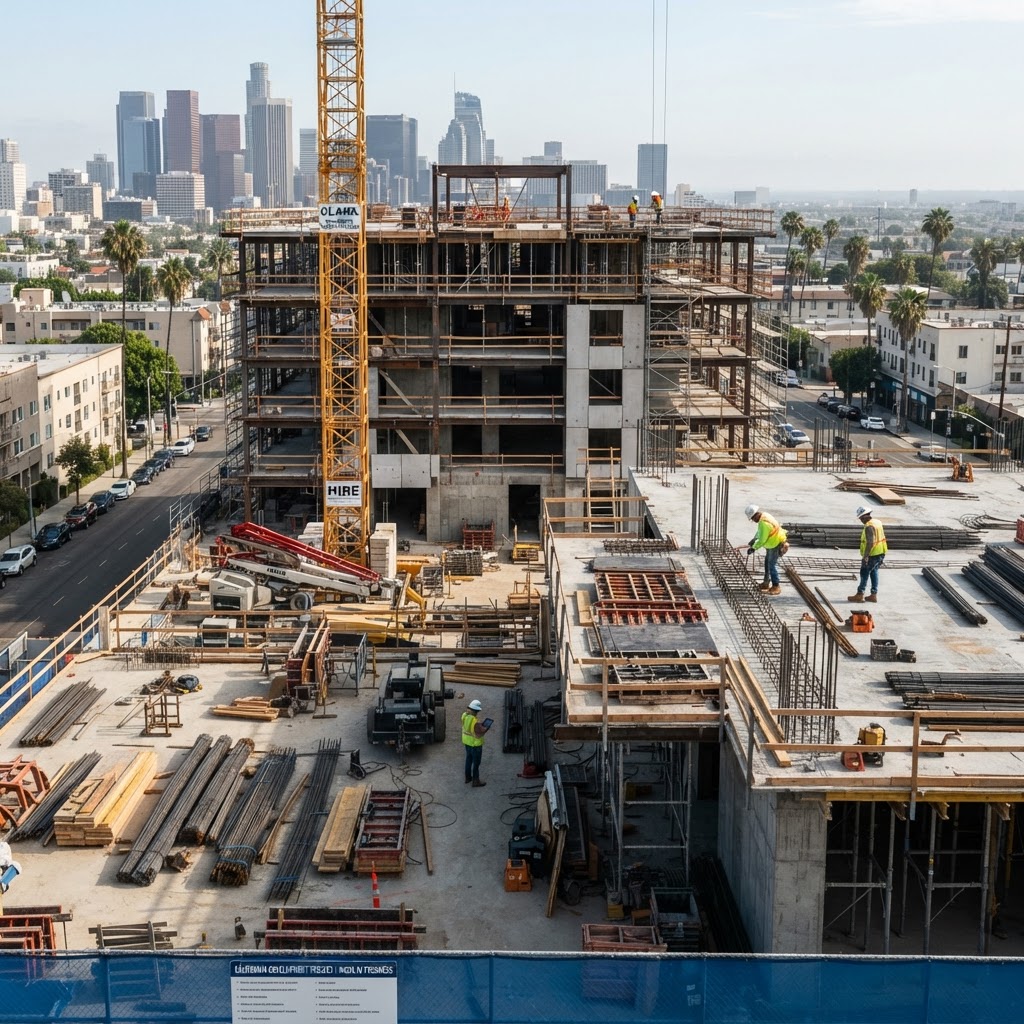
In response to the supply crisis, 2026 has seen the implementation of aggressive new land-use policies. A key driver of current development is SB 79, which, according to Holland & Knight, now overrides local density limits to allow high-density residential development along established transit corridors. This law is specifically targeting the Bay Area and Los Angeles, aiming to bypass municipal "NIMBY" roadblocks that have historically stalled multi-family projects.
Furthermore, the California Department of Housing and Community Development (HCD) has accelerated funding through the "No Place Like Home" program, focusing on permanent supportive housing to alleviate the pressure on the lower end of the market.
Practical Takeaways for the 2026 Market
- For Buyers: With active listings projected to rise by nearly 10% through the end of the year, according to Norada Real Estate Investments, buyers should look for leverage in "stale" listings that have sat for more than 30 days, as sellers are becoming more open to rate buy-downs.
- For Renters: Ensure strict compliance with AB 1482. Landlords must provide proper written notice for rent increases, which are capped based on the local Consumer Price Index (CPI). Errors in these notices are currently a leading cause of successful tenant disputes.
- For Investors: The "Class B" and "Class C" assets in coastal submarkets remain the strongest performers. While luxury new construction in Downtown LA is seeing vacancy rates climb toward 5.7% due to oversupply, mid-tier housing remains chronically undersupplied.
The Outlook for Q4 2026
While the market is showing signs of a "gentle upturn" in sales volume, the structural barrier of the $228,400 income requirement remains the defining feature of California real estate today. Until the inventory of transit-oriented developments authorized by SB 79 hits the market in significant numbers, the 62% ownership premium will likely continue to define California as a "renter-first" economy for the foreseeable future.