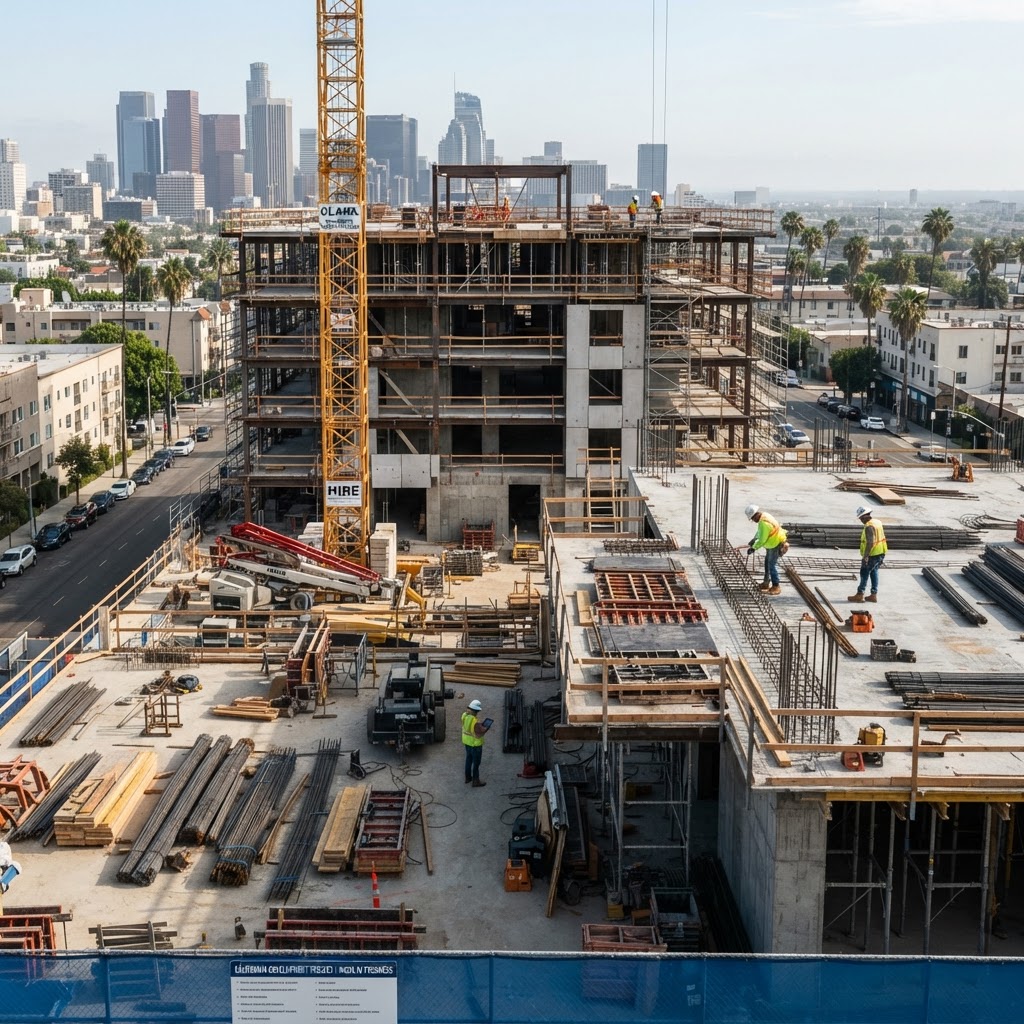
The Construction Bottleneck: Labor Shortages Reshape California Development
While much of the discourse surrounding California’s housing market has focused on interest rates and inventory, a more structural challenge is quietly reshaping the state’s development landscape: a persistent shortage of skilled construction labor. As of late 2026, developers and industry analysts are increasingly identifying labor availability as a primary constraint on the delivery of new housing units, potentially offsetting the benefits of recent state-level legislative efforts to streamline permitting.
The Workforce Gap
Data from the Southern California Association of Governments (SCAG) indicates that the residential construction workforce in major hubs like Los Angeles has been in decline since 2019. This contraction is particularly acute in the structure and exterior trades essential for multifamily projects. According to the Zonda Economics Team, this labor scarcity is no longer a localized issue but a widespread trend affecting major California metros, leading to increased construction costs and unpredictable project timelines.
Impact on the Capital Stack
The labor-induced slowdown is compounding existing financial pressures. Jay Maddox of Avison Young notes that the current environment is squeezing mid-tier developers, as capital markets underwriting struggles to support the rising all-in development basis. With insurance premiums at historic highs and lenders underwriting to forward cap rates 50–150 basis points higher than in 2021–2022, the added cost of labor delays can render otherwise viable projects unfeasible.
Innovation as a Response
In response to these mounting pressures, the industry is beginning to pivot toward alternative delivery methods. Factory-built and modular construction, once considered niche, are gaining traction as developers seek to mitigate the risks associated with on-site labor disruptions. Projects like those managed by EAH Housing demonstrate that while modular construction requires significant upfront coordination—and sometimes the use of premium materials like cross-laminated timber (CLT)—it offers a potential path to faster delivery in a constrained labor market.
Practical Takeaways for Stakeholders
- For Developers: Prioritize projects that utilize modular or off-site components to hedge against local labor volatility. Early engagement with specialized contractors is essential to secure capacity in a tight market.
- For Investors: Scrutinize the construction contingency budgets of new developments. Projects relying on traditional, labor-intensive methods may face higher risks of schedule slippage and cost overruns.
- For Buyers: Be aware that new construction timelines are increasingly subject to labor-related delays. When purchasing a new home, verify the builder’s current labor pipeline and historical performance on delivery dates to manage expectations regarding move-in readiness.
As California moves into 2027, the ability to navigate the construction labor bottleneck will likely be the defining factor for developers and investors alike. While policy changes continue to lower the barriers to entry for new housing, the physical capacity to build remains the ultimate test for the state’s housing supply goals.