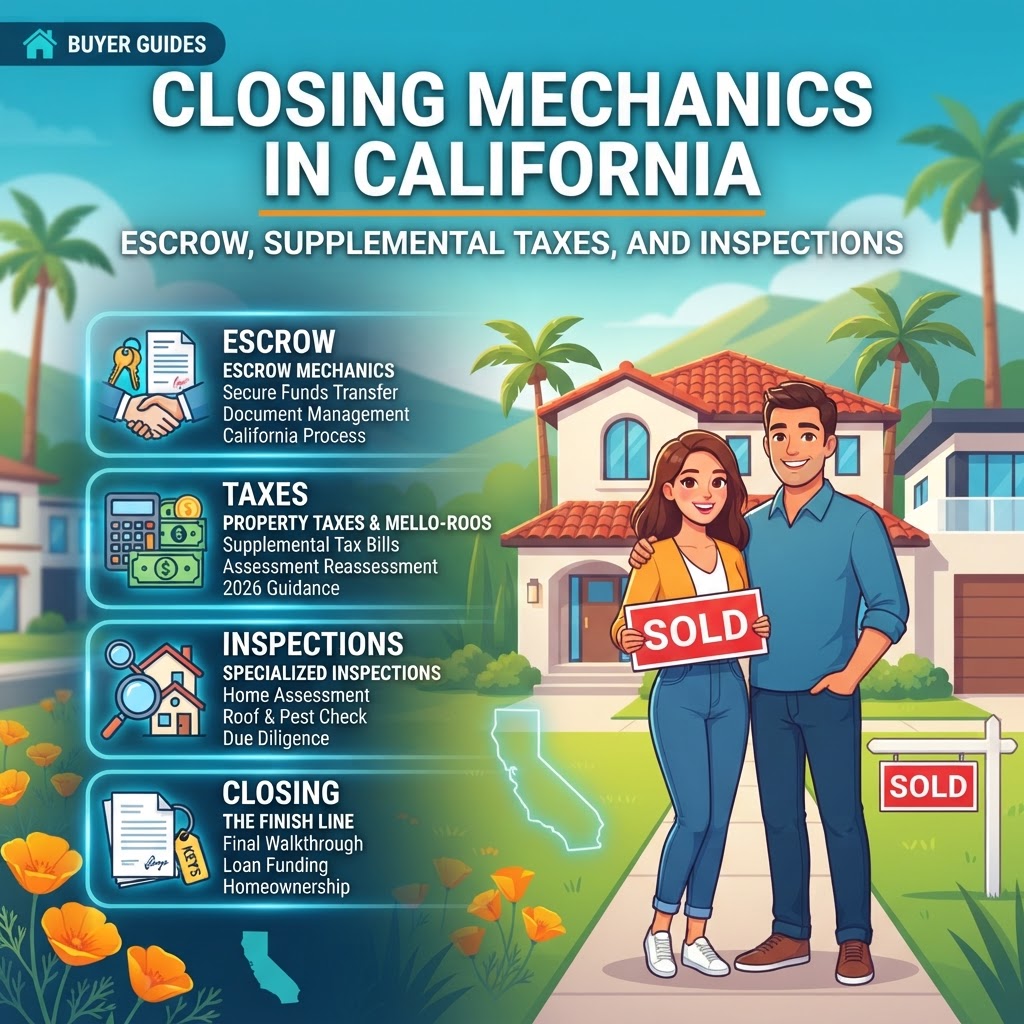
The 2026 California Market: A State of 'Thawing'
As of August 2026, the California housing market is characterized by a 'thawing' phase. While the market is no longer frozen by the extreme rate hikes of previous years, it remains constrained by structural supply issues. According to ManageCasa, existing home sales have seen their strongest annual gains since late 2025, yet inventory remains tight. Data from Zillow indicates the average California home value sits at approximately $775,549, a slight 0.4% decrease over the past year, providing a narrow window of opportunity for prepared buyers.
The 2026 Federal Credit Revolution
The most significant shift for 2026 buyers is the 'Affordability Stack'—the ability to combine new federal incentives with state-specific protections. Under the Bipartisan American Homeownership Opportunity Act of 2025 (H.R. 3475), qualifying first-time homebuyers can now claim a tax credit equal to their down payment, up to $50,000, subject to income limitations [Congress.gov]. Additionally, Rep. Jimmy Panetta’s legislation provides a $15,000 credit specifically targeted at middle-income earners struggling with the California 'affordability gap.'
California-Specific Financial Advantages
Beyond federal credits, California buyers in 2026 should look for these state-level 'stackable' benefits:
- Point-of-Sale EV Incentives: As of June 2026, California has transitioned its EV buyer incentives to a point-of-sale model. First-time buyers can receive thousands of dollars off the sticker price of an electric vehicle at the time of purchase, which can help offset the high cost of living associated with a new mortgage [ACT News].
- Prop 13 Protections: Buyers must factor in the long-term stability of Proposition 13. Real property assessments in California cannot be increased by more than 2% annually, regardless of inflation, and the general tax levy is capped at 1% of the assessed value [Shasta County Assessor].
- Disadvantaged Community Credits: Under programs like AB 1590, buyers purchasing in designated disadvantaged communities may be eligible for additional state tax credits to encourage local investment [Franchise Tax Board].
Practical Steps for the 2026 Buyer
To successfully navigate this environment, buyers should follow a modernized checklist:
1. Audit the 'Total Cost of Ownership'
In 2026, the list price is only the starting point. Buyers must account for the 'California Premium,' which includes higher-than-average utility costs and the necessity of wildfire-resistant upgrades. While the buyer typically pays for the home inspection, this remains a critical negotiable item in the 2026 RPA [PropertyChecker].
2. Secure a Mortgage Pre-Approval with 'Credit Stacking'
Work with a lender familiar with H.R. 3475. Because the $50,000 federal credit is tied to the down payment, your lender must understand how to bridge that credit into your closing costs or initial equity position.
3. Target 'Supply-Pressured' Submarkets
While coastal cities remain expensive, inland markets like Sacramento and the Inland Empire are seeing increased supply from new construction, which has led to moderate rent growth and more flexible sellers [ManageCasa]. These areas often offer the best 'yield' for those looking to utilize the 2026 tax credits.
Summary of Key Takeaways
- Leverage the $50k Credit: Ensure your income qualifies for the H.R. 3475 federal down payment credit.
- Hedge with Prop 13: View your purchase as a long-term tax hedge against California’s inflation.
- Negotiate Inspections: In a 'thawing' market, buyers have more leverage to request seller concessions for repairs or closing costs.