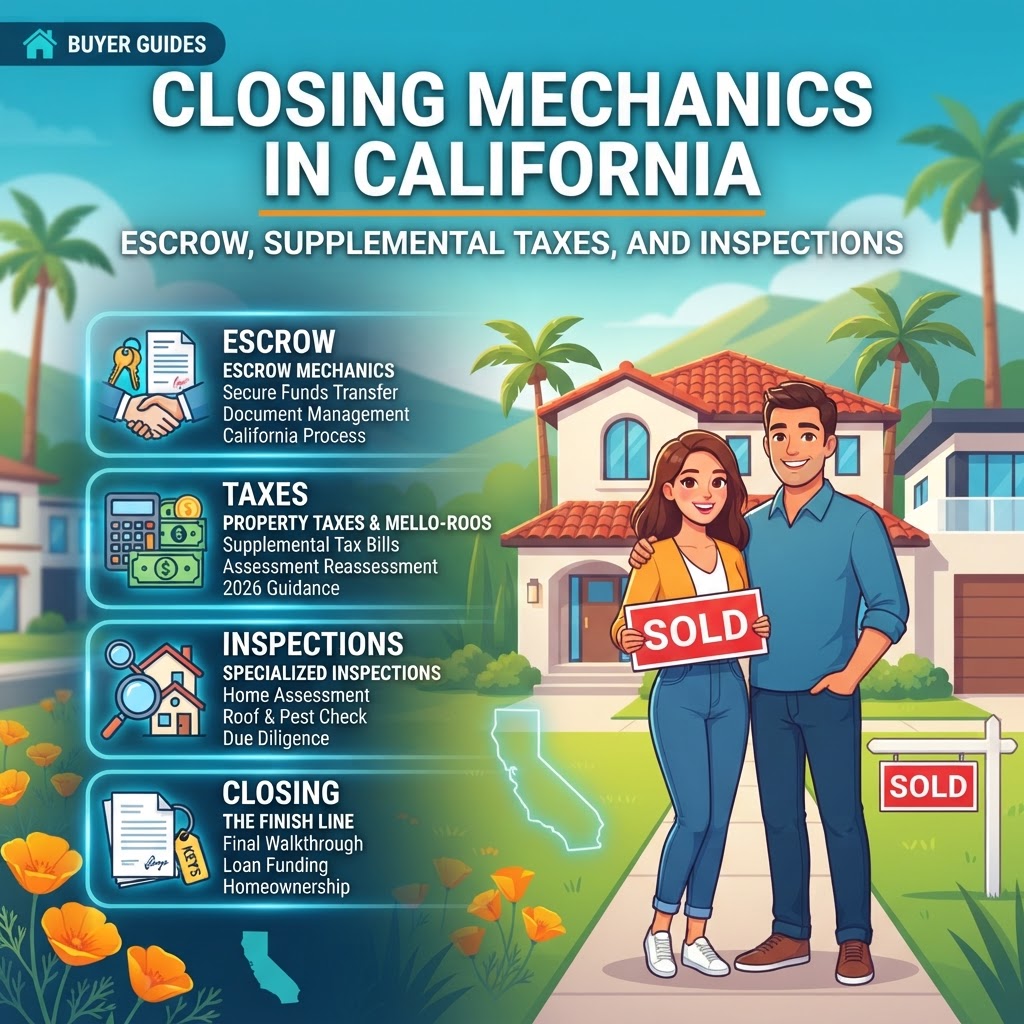
Beyond the Price Tag: The 2026 Disclosure Landscape
As of July 2026, the California Association of Realtors (C.A.R.) reports a statewide median home price of $902,500. While much of the market focus remains on interest rates and inventory, the most critical phase for a buyer occurs during the 17-day standard investigation period. In California, the disclosure process is not merely a formality; it is a legal safeguard that provides a financial roadmap for the first decade of homeownership.
The Transfer Disclosure Statement (TDS) as a Financial Diagnostic
The Transfer Disclosure Statement (TDS) is arguably the most important document in a California transaction. Unlike many other states that follow 'caveat emptor' (buyer beware), California Civil Code Section 1102 requires sellers to disclose any material facts affecting the value or desirability of the property. In 2026, buyers must look beyond the 'yes/no' checkboxes. Practical data shows that properties with disclosed 'non-permitted' work see an average 8% reduction in resale value if not rectified before the next sale. Buyers should cross-reference the TDS with the Seller Property Questionnaire (SPQ) to identify patterns of recurring issues, such as seasonal water intrusion or neighborhood noise nuisances.
Decoding the Natural Hazard Disclosure (NHD) and Tax Obligations
The NHD report is more than just a fire zone map. In today's climate, it serves as a predictor of insurance premiums and future tax assessments. A key practical takeaway for 2026 buyers is the identification of Mello-Roos districts. According to the California Taxpayers Association, Mello-Roos assessments can add between $2,000 and $10,000 annually to a property tax bill, significantly impacting debt-to-income (DTI) ratios. Ensure your lender has accounted for these specific assessments rather than using a generic 1.25% tax estimate during pre-approval.
The Preliminary Title Report: Uncovering Hidden Liens
With the rise of PACE (Property Assessed Clean Energy) loans for solar and HVAC upgrades, the Preliminary Title Report has become a critical financial document. These loans are often attached to the property tax bill as a lien. In the 2026 market, many buyers find themselves at a stalemate when these liens appear during escrow. A thorough audit of Schedule B in the title report is essential to identify utility easements or CC&Rs that might restrict planned renovations or ADU construction.
Practical Takeaways for 2026 California Buyers
- The 10-Day Deep Dive: While the standard contingency is 17 days, aim to have your professional inspections (General, Pest, and Sewer) completed by day 10 to allow time for specialist follow-ups (Roof or Foundation) based on TDS disclosures.
- Verify Permits: For any significant improvements listed on the SPQ, request a 'Permit History' from the local building department to ensure structural integrity and avoid future code enforcement issues.
- Analyze the NHD Fire Rating: If a property is in a 'High' or 'Very High' Fire Hazard Severity Zone, require a defensible space inspection (AB 38) before the close of escrow to ensure the property meets current state standards.