The 'White Gold' Rush Meets a Housing Crunch
For decades, Imperial County remained one of the few regions in California where the American Dream of affordable homeownership was still accessible. That changed in the first half of 2026. As the first wave of commercial-scale Direct Lithium Extraction (DLE) plants reached full operational capacity this summer, the local real estate market has shifted from a quiet agricultural economy to a high-octane industrial hub.
According to June 2026 data from the California Association of Realtors (CAR) and local MLS listings, the median home price in Imperial County has climbed to $512,000—a 22.4% year-over-year increase. In cities closest to the extraction sites, such as Brawley and Calipatria, the surge is even more pronounced, with some single-family residences fetching 30% more than they did in July 2025.
Data Points: A Market in Transition
- Inventory Crisis: Active listings in the Imperial Valley have dropped to a record low of 1.1 months of supply, well below the state average of 2.8 months.
- Income Growth: New engineering and technical roles at the 'Lithium Valley' facilities are offering starting salaries between $95,000 and $140,000, significantly higher than the regional median household income of years past.
- Rental Yields: Investors are seeing gross rental yields exceed 8.5% in El Centro, as a transient workforce of specialized contractors competes for limited multi-family units.
The Infrastructure Gap and Developer Interest
The rapid appreciation is not merely speculative. It is driven by a fundamental supply-demand imbalance. While the state has prioritized the industrial side of the lithium transition, residential infrastructure has lagged. CBRE reports that while over 4,000 permanent jobs have been created in the region since January 2026, fewer than 650 new housing units have been permitted during the same period.
This gap is attracting institutional developers who were previously focused on coastal markets. Projects that were once deemed too risky for the desert—such as luxury apartment complexes with high-efficiency HVAC systems and solar-integrated carports—are now breaking ground in El Centro and Imperial City.
Practical Takeaways for Stakeholders
For Investors: The window for 'early-in' appreciation is narrowing, but the long-term play remains strong. Focus on multi-family units or land zoned for high-density residential near the Highway 86 corridor. The demand for short-to-mid-term corporate housing for specialized consultants remains underserved.
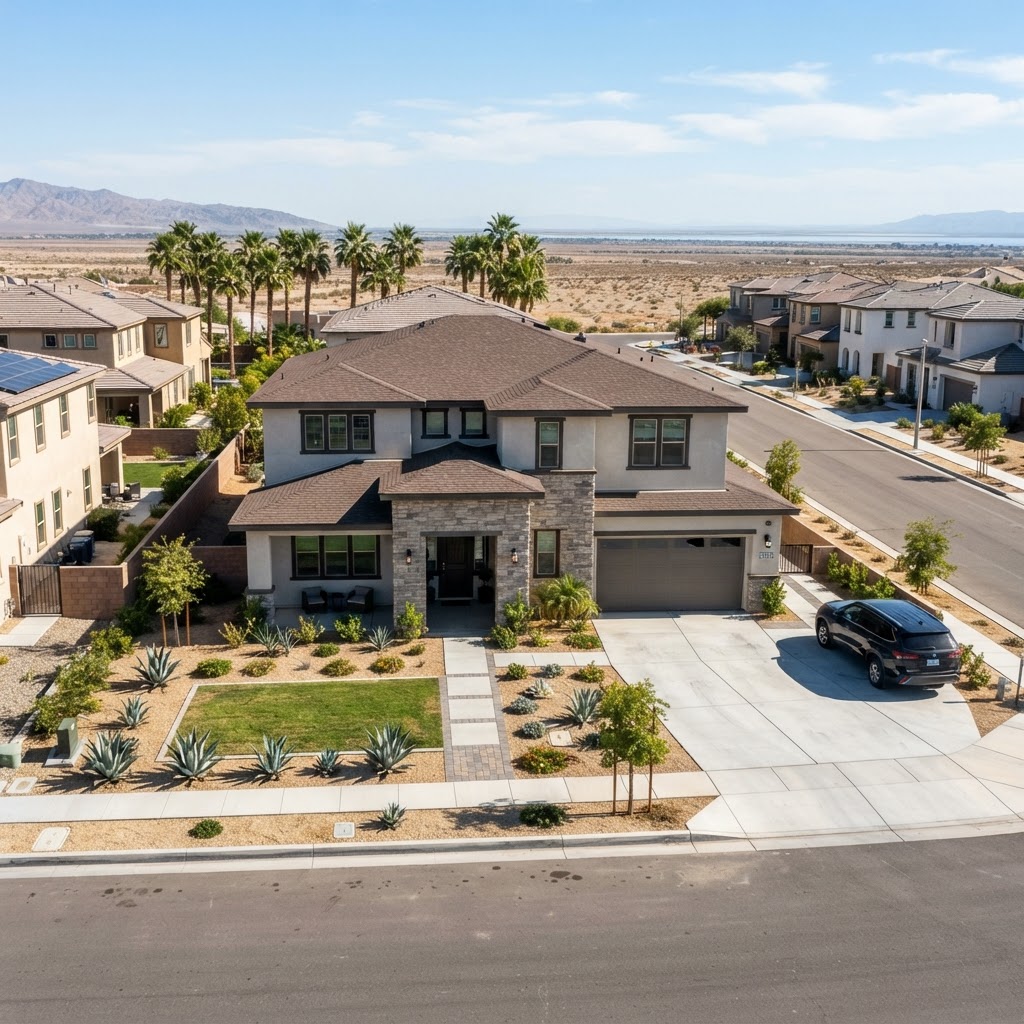
For Sellers: Demand is peaking, but buyers are becoming discerning regarding climate-resilience features. Homes equipped with upgraded insulation and modern cooling systems are commanding a 'thermal premium' of 8-10% over older, unrenovated stock.
For Local Buyers: First-time buyers should investigate state-backed 'Workforce Housing' grants specifically allocated for the Lithium Valley region. These programs are designed to help local residents compete with the influx of higher-earning technical workers moving from out of the area.
The Long-Term Outlook
As California mandates more domestic battery production to meet its 2030 EV goals, the Imperial Valley is no longer a peripheral market. It is the center of the state's industrial strategy. For real estate, this means the region is likely to decouple from broader California cooling trends, sustained by a specific, high-growth sector that is just beginning its multi-decade expansion.