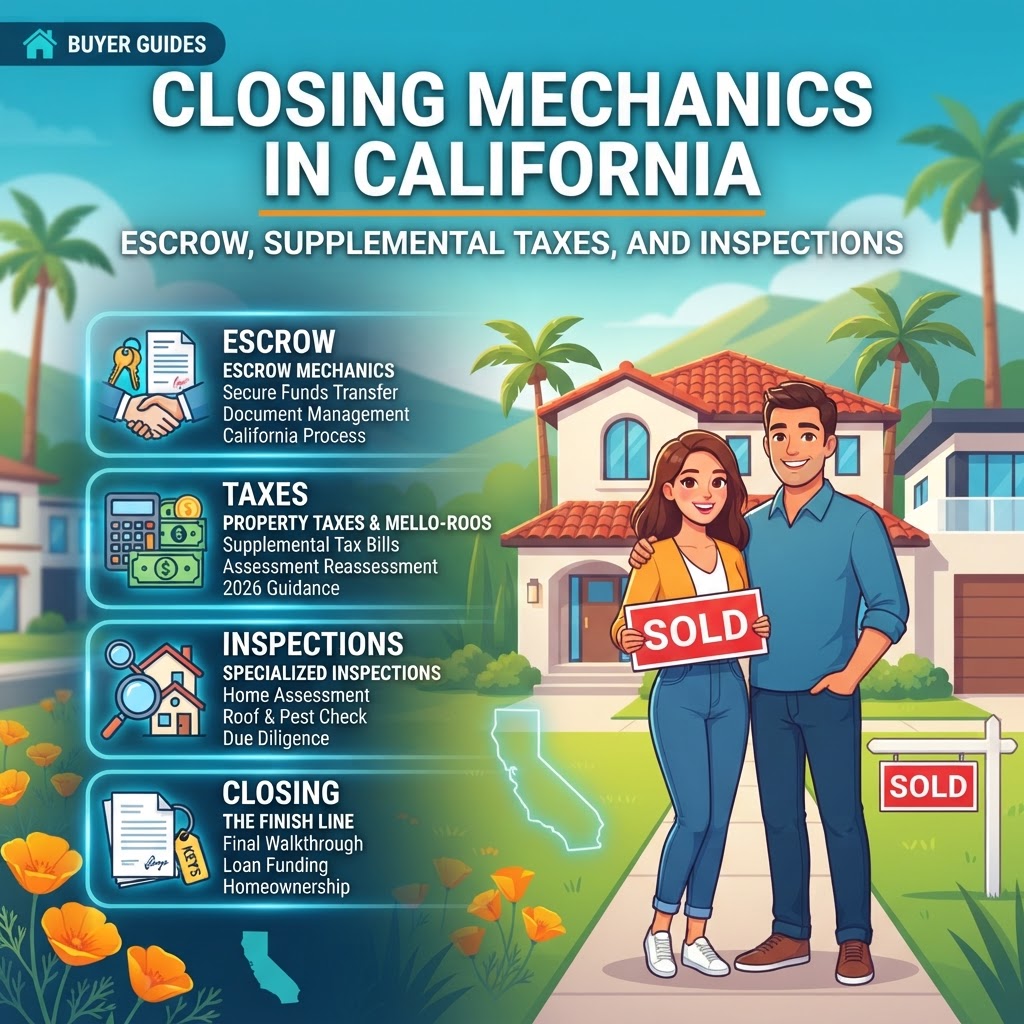
The 2026 Shift in California Home Buying
As of July 2026, the California real estate landscape has matured into a new era of transparency and direct negotiation. Following the legislative updates to the Civil Code regarding agency disclosures, the practical reality for a home buyer today is defined by the Buyer-Broker Representation Agreement (BRBC). According to the California Association of Realtors (CAR) June 2026 report, the statewide median home price has reached $882,400, an increase of 4.1% year-over-year. In this environment, the most successful buyers are those who treat their representation agreement as a strategic financial lever rather than a mere formality.
1. The Pre-Touring Mandate
Under current California guidelines, buyers must sign a written representation agreement before touring a home with an agent. This is no longer a best practice; it is a procedural requirement. Buyers should look for three specific elements in a 2026 BRBC: a clear expiration date, a defined scope of service (e.g., specific neighborhoods or price points), and a transparent compensation structure that can be offset by seller credits. Data from the first half of 2026 indicates that 88% of California buyers now opt for property-specific or short-term agreements rather than open-ended 12-month contracts.
2. Leveraging the SPBB Form
The 'Seller Payment to Buyer's Broker' (SPBB) form is the linchpin of the 2026 purchase offer. In a market where 62% of California listings still offer some form of buyer-side compensation, buyers must strategically use the SPBB to ensure their out-of-pocket expenses are minimized. Data from the MLS suggests that offers requesting a seller-paid commission credit of 2% to 2.5% are currently succeeding when paired with a clean contingency profile. This allows the buyer to preserve cash for the down payment—a critical move given that high-cost counties like Orange and Santa Clara still frequently require competitive equity positions.
3. The New 'Net-Cost' Analysis
With interest rates stabilizing around 5.9%, the 2026 buyer must look beyond the list price. Practical buyers are now conducting a 'Net-Cost Analysis' before submitting an offer. This involves calculating the purchase price minus any negotiated seller credits for closing costs or commission offsets. In micro-markets like the Inland Empire or the Central Valley, buyers are successfully negotiating '2-1 rate buy-downs' as a seller credit, which can save over $450 monthly on an average mortgage during the first year. This strategy is more effective than a simple price reduction when it comes to immediate cash flow.
Practical Takeaways for 2026 Buyers
- Interview Before Touring: Vet at least three agents on their ability to articulate their value and their experience with SPBB negotiations in your specific zip code.
- Cash Reserve Strategy: Aim for a liquidity buffer equal to 2.5% of the purchase price above your down payment to cover any potential gaps between your signed representation fee and the seller's final credit.
- Specific Property Exclusions: If you identified a property before signing with an agent, ensure it is listed as an 'Excluded Property' in your representation agreement to avoid dual-commission obligations.
- Review the 'Fair Value' Clause: Ensure your agreement includes a clause that prevents the agent from collecting more than the agreed-upon percentage, even if the seller offers a higher bonus.