The 2026 Disclosure Landscape: A Higher Standard for Buyers
As of mid-2026, the California real estate market has transitioned from the frenetic bidding wars of years past into a more balanced, yet technically demanding, environment. According to June 2026 data from the California Association of Realtors (CAR), the median time to close has stabilized at 34 days, but the volume of required documentation has increased by 15% due to new legislative mandates regarding material facts. For buyers, success no longer just depends on the offer price, but on the ability to perform a 'Disclosure Sprint'—a rigorous technical review of the property’s history within the standard 17-day contingency period.
The Dual Pillars: TDS and SPQ
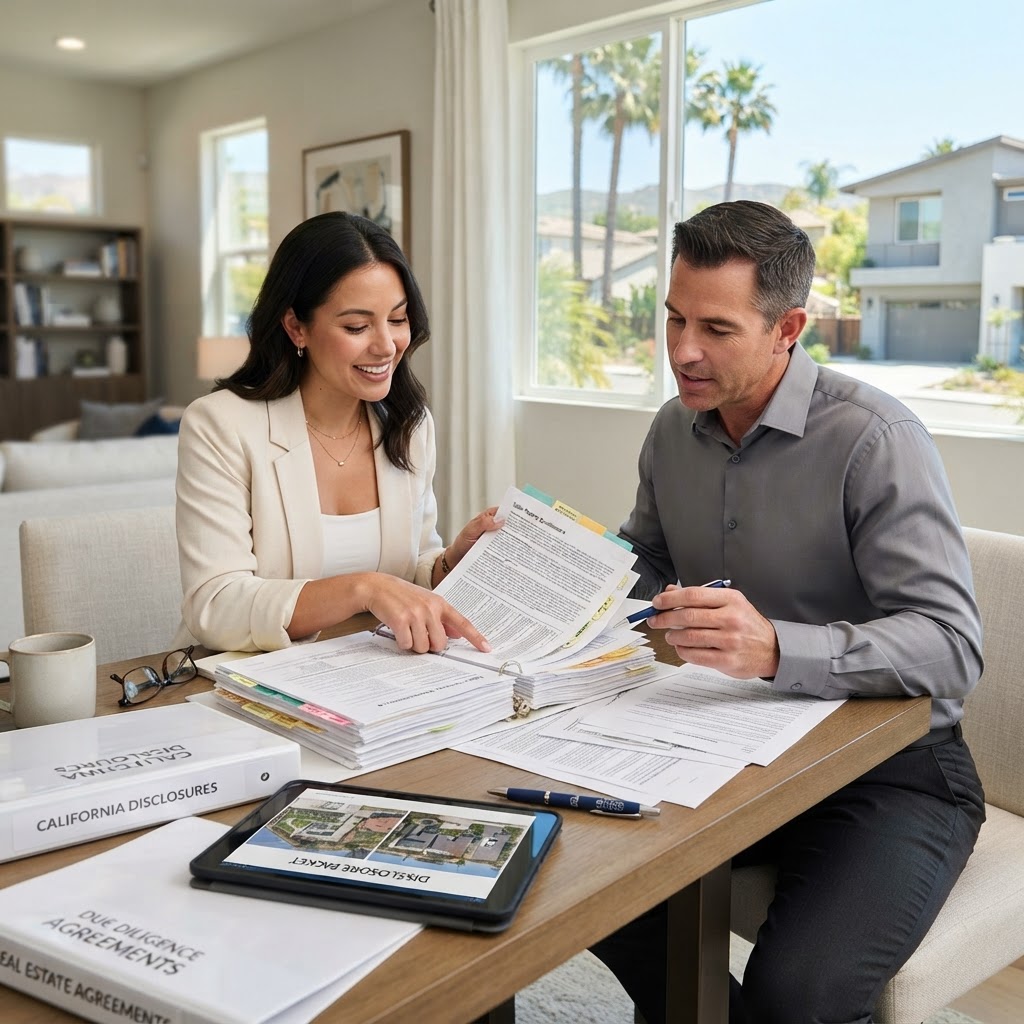
Every California residential transaction is anchored by two critical documents: the Transfer Disclosure Statement (TDS) and the Seller Property Questionnaire (SPQ). In 2026, these are no longer mere formalities. With the rise in 'as-is' sales, the TDS serves as your primary legal shield. Buyers must look beyond surface-level entries. Pay specific attention to Section II, which covers structural modifications. Data from the 2025 Bureau of Real Estate audits suggest that nearly 22% of California homes sold had unpermitted work that was not properly disclosed until the inspection phase. If a seller checks 'No' on the SPQ regarding room additions but the floor plan doesn't match tax records, this is your immediate red flag.
The North-South Divide: Escrow Customs
California remains a state of two distinct closing cultures, a nuance often missed by those relocating between regions. In Northern California (San Francisco, San Jose, Sacramento), it is customary for the seller to provide a pre-sale inspection package, and the buyer often pays for title insurance. Conversely, in Southern California (Los Angeles, San Diego, Orange County), the 'independent escrow' system prevails. Here, escrow companies act as neutral third parties, and the buyer and seller typically split fees. In the 2026 market, understanding who pays for what—specifically the Natural Hazard Disclosure (NHD) and the new 2026 Environmental Impact Fees—is a primary negotiation lever that can save a buyer between $2,500 and $5,000 in closing costs.
Strategic Takeaways for the 2026 Buyer
- The 72-Hour Review Rule: Upon receiving the disclosure package, engage a professional transaction coordinator or attorney to cross-reference the Preliminary Title Report against the SPQ. Discrepancies in easements are the leading cause of litigation in 2026.
- Audit the 'Inquiry Duty': California law (Easton v. Strassburger) places a duty on agents to conduct a visual inspection, but the buyer has a 'duty of inquiry.' If a disclosure mentions a past leak, you must formally request the remediation receipts; simply knowing it happened is not enough to protect your deposit.
- Verify Local Transfer Taxes: While state taxes are uniform, municipal 'mansion taxes' and local transfer fees have expanded. In cities like Los Angeles and Santa Monica, ensure your 'Net Sheet' reflects the most recent 2026 rate hikes for properties over certain price thresholds.
The Appraisal-Disclosure Link
In the current balanced market, appraisals are frequently coming in at or slightly below contract price. To protect your earnest money, ensure your loan contingency is aligned with the disclosure review. If a TDS reveals a foundation issue, your lender will likely require a structural engineer's sign-off before funding. By identifying these issues during the Disclosure Sprint, you can renegotiate the price or credits before your contingency periods expire, keeping your capital liquid for necessary 2026 upgrades.