The Shift from Aesthetic to Structural Resilience
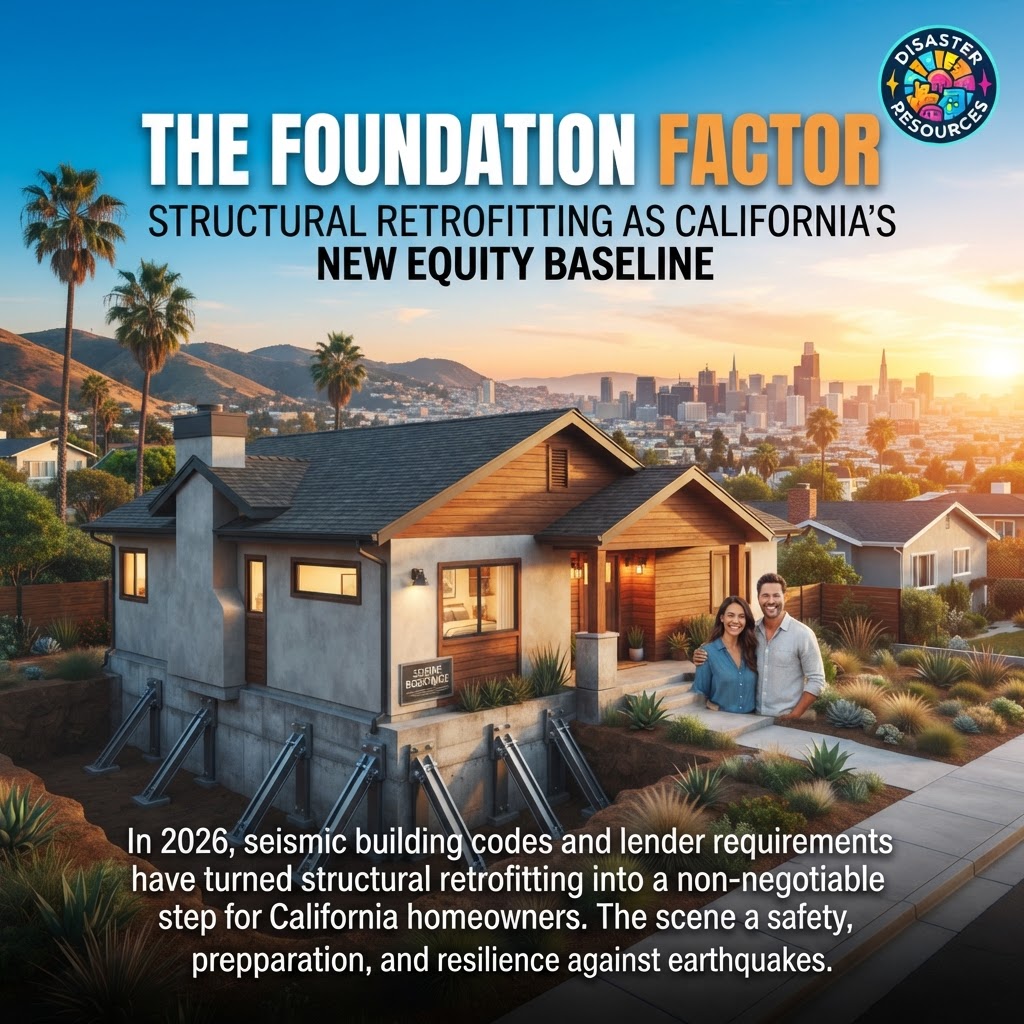
In the California real estate market of July 2026, the definition of a 'turn-key' property has undergone a fundamental transformation. While kitchen remodels once drove premiums, the market focus has shifted to the 'Foundation Factor.' With the USGS reporting a 72% probability of a magnitude 6.7 or greater earthquake in the San Francisco Bay Area over the next decade, structural integrity is no longer an optional upgrade—it is a requirement for asset liquidity and insurance eligibility.
Addressing the Cripple Wall Vulnerability
According to the California Earthquake Authority (CEA), homes built before 1980 often feature 'cripple walls'—short wood-frame walls between the foundation and the first floor. Without proper bracing, these walls can collapse during a seismic event, causing the home to slide off its foundation. Data from the 2025 California Residential Mitigation Program suggests that retrofitting these structures via the 'brace and bolt' method can reduce the risk of catastrophic displacement by up to 45%, a metric now heavily weighted by California's 'Fair Plan' and private insurers alike.
The 2026 Regulatory and Insurance Nexus
The California Department of Insurance has increasingly mandated that carriers provide transparent credits for structural hardening. Homeowners who have completed verified retrofits now see average premium discounts of 15% to 25% on seismic endorsements. Furthermore, as of early 2026, a growing number of institutional lenders in the state now require a Seismic Hazard Report (SHR) as part of the standard appraisal process for homes in high-risk zones, effectively making retrofitting a prerequisite for standard 30-year fixed-rate financing.
Practical Takeaways for Property Owners
- Verify Foundation Anchoring: Check the crawl space to see if the sill plate is bolted to the foundation. If bolts are missing or spaced more than six feet apart, a retrofit is required to meet current 2026 safety benchmarks.
- Install Seismic Gas Shut-off Valves (SGSOV): Post-earthquake fires often cause more damage than the shaking itself. Installing an SGSOV—which triggers at a 5.1 magnitude—is a low-cost, high-impact resilience measure.
- Consult the 'Soft Story' Standards: Homes with garages on the ground floor and living space above are high-risk. Structural steel frame reinforcements are now the gold standard for these properties to maintain resale value.
- Utilize EBB Grants: The Earthquake Brace + Bolt (EBB) program offers grants up to $3,000 for qualifying zip codes. In 2026, supplemental grants are available for low-income households covering up to 100% of the retrofit cost.
Resources for Homeowner Resilience
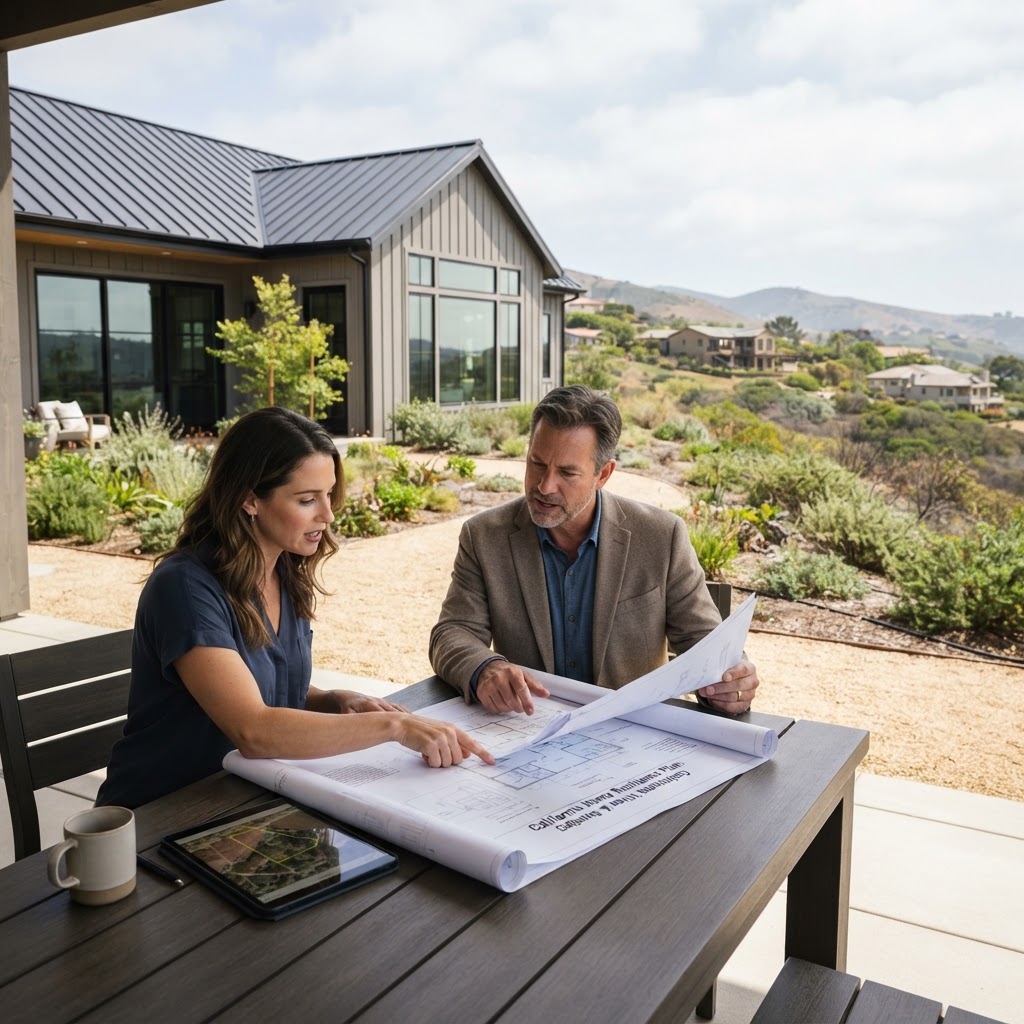
Homeowners should utilize the MyHazards tool from the California Governor's Office of Emergency Services (Cal OES) to identify site-specific fault line proximity. For technical guidance, the Structural Engineers Association of California (SEAOC) remains the primary resource for finding licensed professionals capable of certifying a home's foundation against modern seismic loads.