Beyond the View: The Rise of the CRS Rating
For decades, California coastal real estate was valued primarily on proximity to the Pacific. However, as of July 2026, a new metric has overtaken the 'ocean view' in importance: the Coastal Resilience Standard (CRS) rating. Following the implementation of the 2025 Sea Level Mitigation Act, all residential properties within five miles of the mean high-tide line must now disclose a CRS grade (A through F) during the escrow process. This shift is fundamentally reordering the hierarchy of California’s most expensive zip codes.
Data-Driven Disparity in Market Performance
According to the California Association of Realtors (CAR) mid-year report released this week, properties with a 'CRS-A' or 'CRS-B' rating—signifying advanced structural hardening, elevated electrical systems, and proximity to state-funded sea-wall reinforcements—are selling for a staggering 18.5% premium compared to similarly sized homes with lower ratings. In markets like Newport Beach and Santa Barbara, the 'Resilience Gap' has widened significantly; while the overall market has seen a steady 4% annual growth, homes with 'D' or 'F' ratings have experienced a 12% price correction since the start of the year.
Data from the MLS indicates that the average days-on-market for a high-rated coastal home is now just 14 days, whereas lower-rated homes are languishing for upwards of 60 days. Institutional lenders have also tightened the reins, with three of the state’s largest mortgage providers now requiring an additional 5% down payment for any property falling below a 'C' rating, citing long-term collateral risk.
The Infrastructure Premium: A New Investment Moat
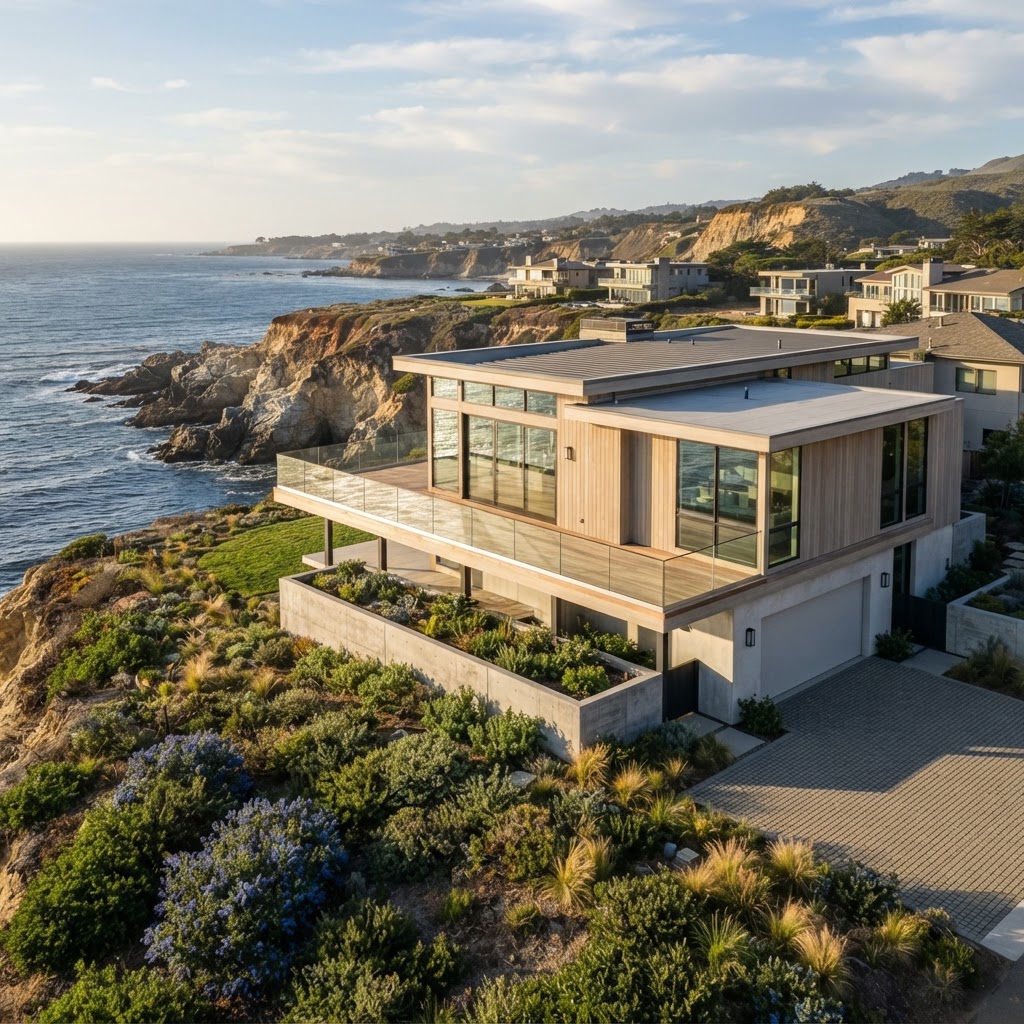
The shift isn't just about individual home features; it's about municipal investment. The Terner Center for Housing Innovation highlights that 'Resilience Hubs'—neighborhoods where cities have completed comprehensive drainage and barrier upgrades—are seeing the highest appreciation. Investors are increasingly pivoting away from 'at-risk' sand-level bungalows toward 'bluff-top' properties that meet the new 2026 standards for seismic and aquatic stability. This has created a secondary boom in 'resilience retrofitting,' a sector that has grown into a $4.2 billion industry in California over the last eighteen months.
Practical Takeaways for Market Participants
- For Sellers: Before listing a coastal property, invest in a pre-inspection for CRS compliance. Small upgrades, such as relocating HVAC systems to higher elevations or installing permeable driveway surfaces, can move a home from a 'C' to a 'B' rating, potentially adding six figures to the final sale price.
- For Buyers: Look for 'undervalued' homes in municipalities with funded infrastructure projects. A property currently rated 'D' may see a significant valuation jump once the local city council completes planned seawall or drainage improvements.
- For Investors: Focus on the 'Coastal-Adjacent' zone. Properties 2-3 miles inland that sit at higher elevations are becoming the preferred 'safe haven' for luxury buyers who want proximity to the coast without the high insurance surcharges associated with the immediate shoreline.
As we move through the 2026 summer season, the message from the market is clear: the most valuable asset in California isn't just land—it's land that is built to last.