The Thermal Shift in California Real Estate
As California enters the peak of the 2026 summer season, a new valuation metric is reshaping the real estate landscape in the Inland Empire, Central Valley, and Sacramento corridors: the "Cooling Premium." According to recent MLS data and a June 2026 report from the California Association of Realtors (CAR), homes equipped with advanced heat-mitigation features are now selling for a 7.2% premium compared to traditional builds in the same zip codes.
This shift comes as a direct response to the 2025 updates to the California Green Building Standards Code (CALGreen), which mandated stricter 'cool roof' and thermal envelope requirements for new builds. However, it is the resale market where the disparity is most visible. Buyers are increasingly fleeing legacy homes with soaring utility costs in favor of properties that utilize passive cooling techniques and high-efficiency heat pump systems.
Data-Backed Market Divergence
The financial impact of heat resilience is no longer theoretical. Analysis of Q1 and Q2 2026 transactions reveals several key trends:
- Utility Arbitrage: Homes with a 'HERO' (Home Energy Rating System) score of 80 or higher are spending 14 days fewer on the market than those with scores below 60.
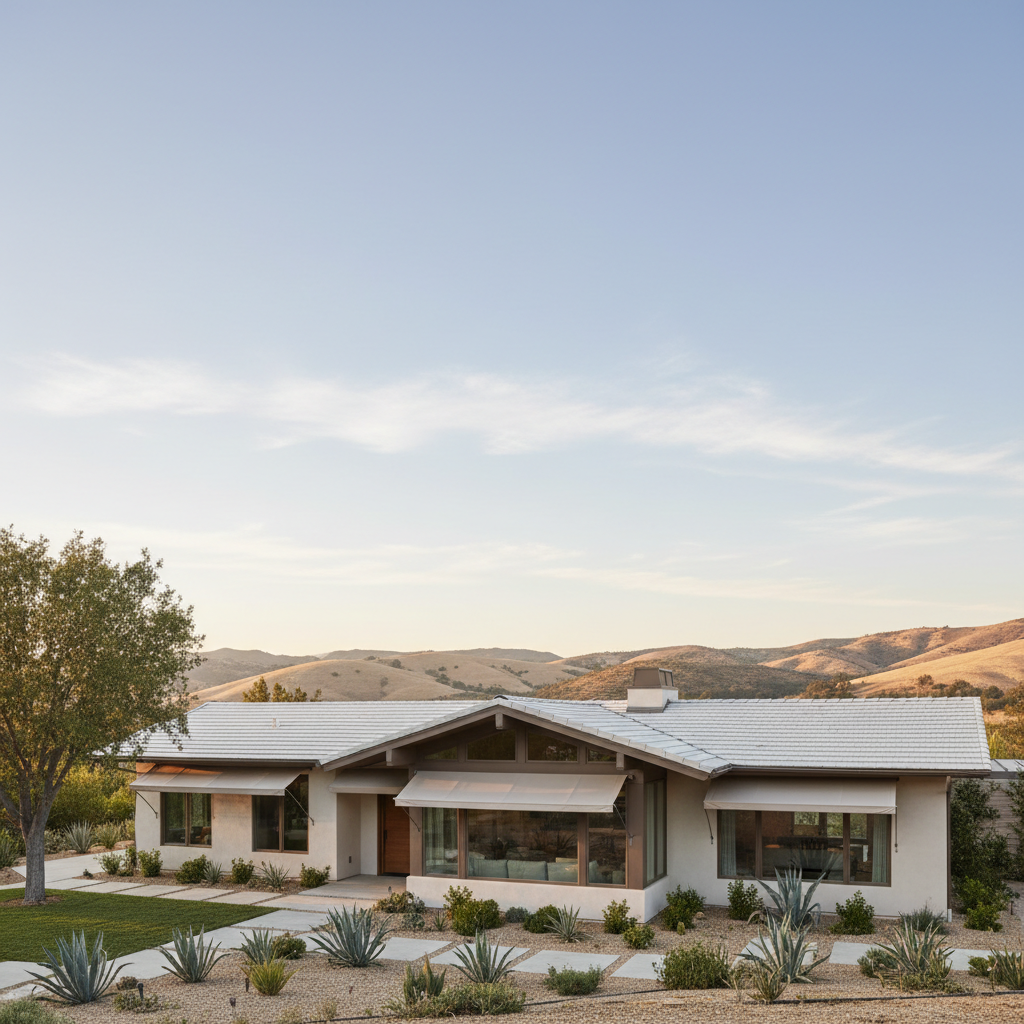
- The Inland Empire Surge: In Riverside and San Bernardino counties, properties featuring xeriscaped 'cool-scapes' and heat-reflective exterior coatings have seen a year-over-year price appreciation of 9.4%, outpacing the state average of 4.1%.
- Energy Cost Insulation: With average summer utility bills for 2,500-square-foot homes in the Central Valley exceeding $650 a month, the 'total cost of ownership' has become a primary driver for mortgage approvals.
Policy Drivers: The 2025 Urban Heat Island Ordinance
The market movement is being further accelerated by local regulations. In late 2025, several California municipalities introduced the 'Urban Heat Island Mitigation Ordinance,' offering property tax rebates for homeowners who convert asphalt driveways to permeable, light-colored pavers or install canopy-providing native trees. These 'Climate-Ready' designations are now being integrated directly into regional MLS search filters, allowing buyers to prioritize thermal comfort as much as square footage.
Practical Takeaways for Market Participants
For Sellers:
To capture the cooling premium, sellers should focus on high-ROI thermal upgrades before listing. Replacing an aging AC unit with a high-SEER2 heat pump or installing radiant barrier attic insulation typically yields a 120% return on investment in the current 2026 market. Highlighting 'U-factor' ratings of windows in marketing materials is now as essential as showcasing kitchen remodels.
For Buyers:
When shopping in inland regions, look beyond the aesthetic. Inspect the age and type of roofing material—specifically looking for 'Cool Roof' certification. Buyers should also request two years of utility history to identify 'thermal leaks' that could lead to thousands of dollars in hidden annual costs. Properties with existing mature shade trees on the western and southern exposures should be valued higher for their natural cooling capacity.
For Investors:
The value-add play for 2026 is the 'Thermal Retrofit.' Acquiring mid-century homes with poor insulation and outdated HVAC systems in high-heat zones and upgrading them to modern CALGreen standards is currently one of the most consistent paths to equity growth in the California market.