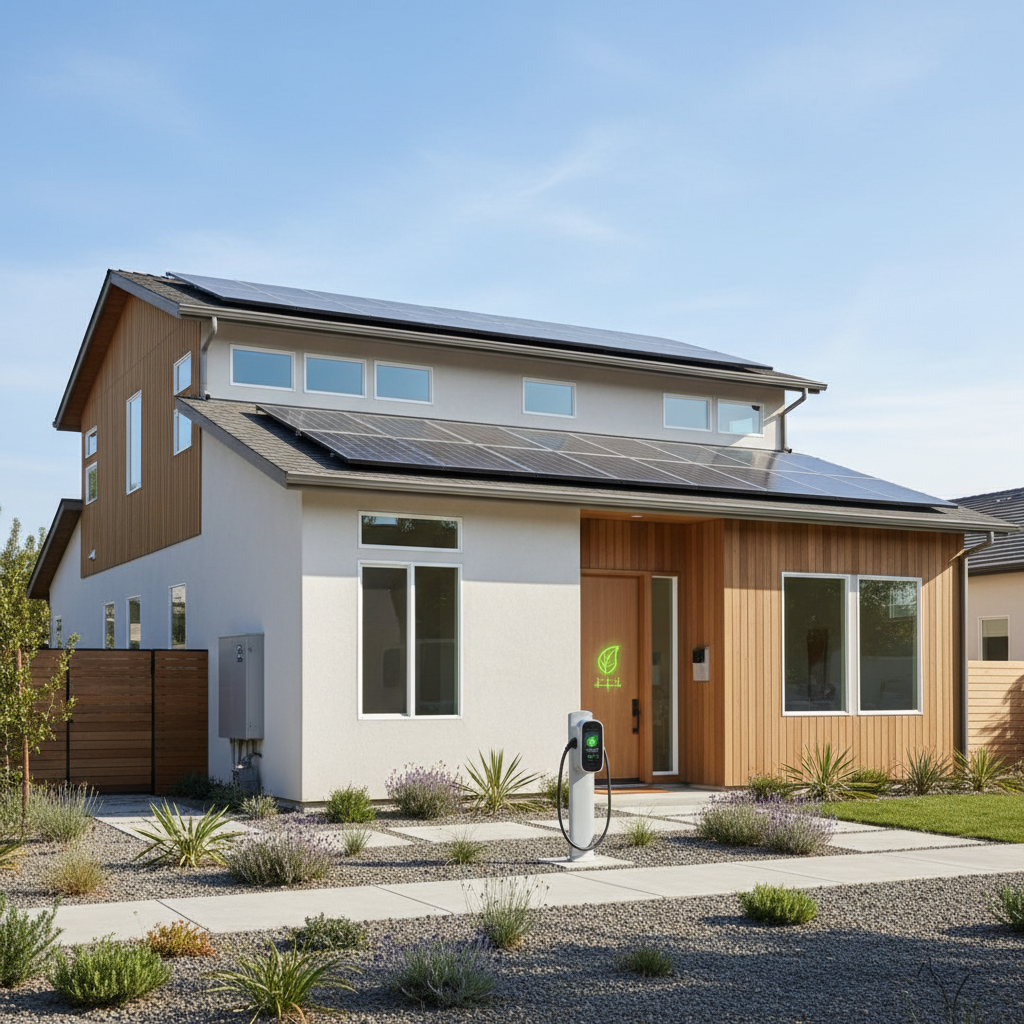
The New Secondary Mortgage: California Utility Costs
In the May 2026 real estate landscape, the traditional 'PITI' (Principal, Interest, Taxes, and Insurance) calculation is no longer sufficient for California buyers. According to 2025 data from the California Public Utilities Commission (CPUC), residential electricity rates have climbed an average of 22% statewide over the last 24 months. For a modern buyer, a home’s 'energy envelope' is now as critical to long-term affordability as the interest rate on their loan.
The 2026 Electrification Gap
As California moves toward its goal of carbon neutrality, the 'Electrification Gap' has become a major factor in property valuation. Homes built before the 2019 Title 24 Building Standards often rely on aging gas infrastructure and inefficient HVAC systems. Buyers in 2026 are increasingly penalizing homes that require immediate, expensive electrical panel upgrades to support modern needs. When touring a property, look beyond the kitchen finishes and inspect the 'bones' of the energy system.
The 3-Point Resilience Audit for Buyers
- The Main Service Carry: Verify if the electrical panel is 200-amp capable. With the 2026 surge in Electric Vehicle (EV) adoption and the transition to Heat Pump Water Heaters, a 100-amp or 125-amp panel is a hidden liability that can cost $4,000 to $7,000 to upgrade.
- Solar and Storage Parity: In the post-NEM 3.0 era, solar panels alone are insufficient. Evaluate whether the property includes a battery storage system (such as a Tesla Powerwall or Enphase IQ). Data from the California Energy Commission (CEC) suggests that homes with integrated storage maintain a 4-6% price premium in high-outage zones.
- Heat Pump Readiness: Check the age and type of the HVAC system. Federal tax credits under the Inflation Reduction Act remain available in 2026, but the physical ductwork must be compatible with high-efficiency heat pump systems to avoid a total 'gut' renovation of the ceiling cavities.
Title 24 Compliance and Future-Proofing
If you are considering a 'fixer-upper' in 2026, be aware that any major renovation triggering a building permit will likely require the home to be brought up to current Title 24 standards. This includes specific insulation R-values, high-efficacy lighting, and potentially mandatory solar installation. These requirements can add 10-15% to a renovation budget. Buyers should leverage this during the 'Request for Repairs' phase of a transaction, especially if the home has an outdated gas-powered water heater nearing the end of its lifecycle.
Practical Takeaways for the 2026 Market
First, request the last 12 months of utility bills—not just to see the cost, but to identify usage spikes that suggest poor insulation. Second, hire a specialized energy auditor alongside your general home inspector; they can provide a 'Home Energy Score' that quantifies future operational costs. Finally, prioritize properties with 'V2H' (Vehicle-to-Home) charging capabilities, which allow your EV to power your home during peak pricing hours or grid failures—a feature that is becoming a cornerstone of California luxury and mid-market resilience.