The Builder’s Remedy Reality: 2026’s Zoning Revolution
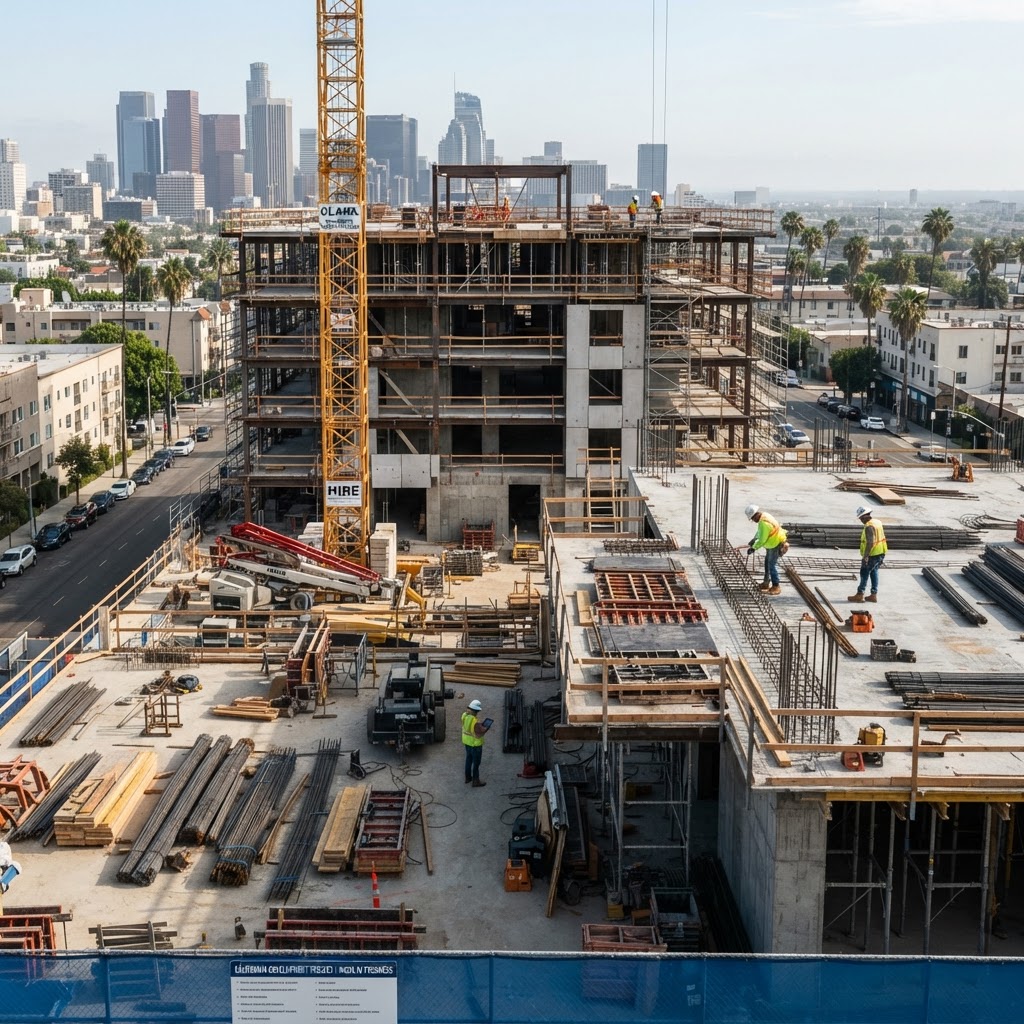
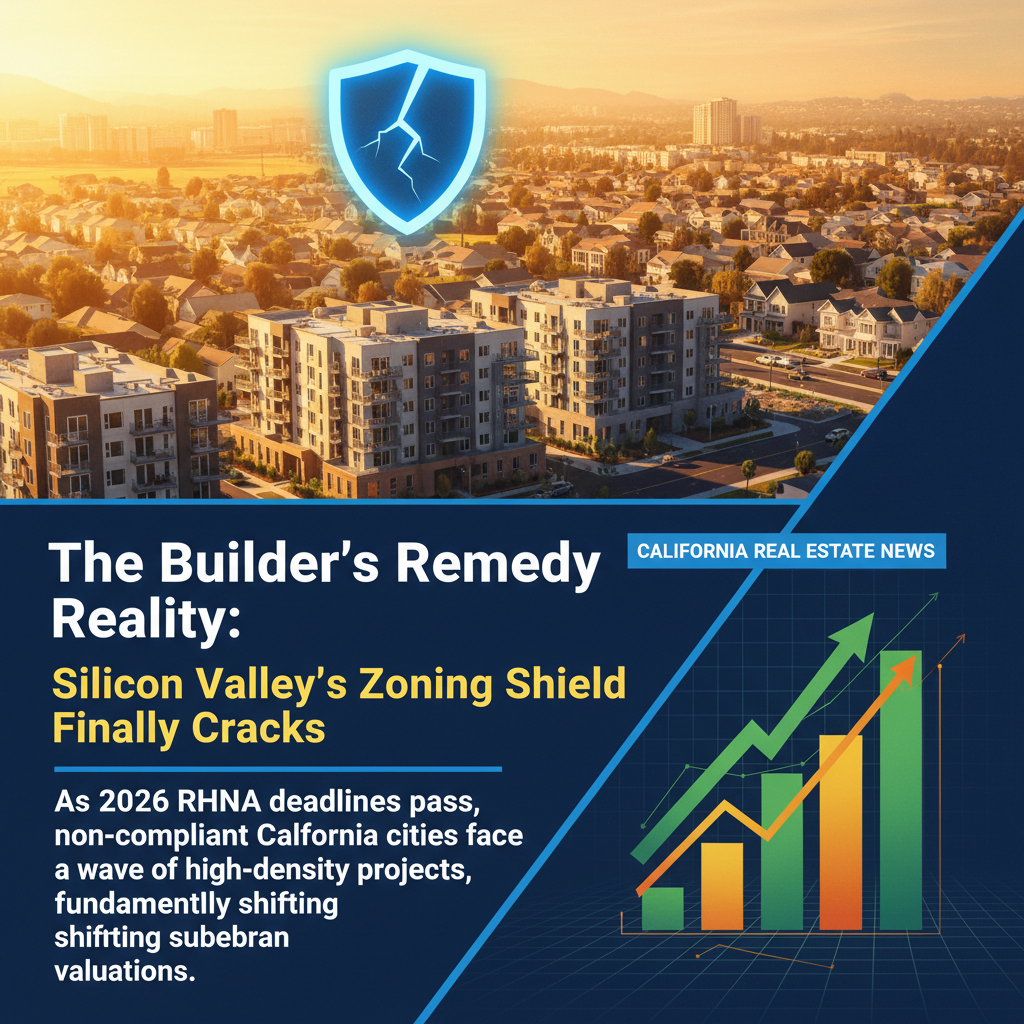
For decades, California’s most affluent coastal enclaves maintained their property values through restrictive zoning and a 'not in my backyard' ethos. However, as of May 8, 2026, the legal landscape has shifted. The 'Builder’s Remedy'—a provision in the 1990 Housing Accountability Act that lay dormant for thirty years—has evolved from a legal threat into a physical reality, fundamentally reshaping the real estate outlook for the San Francisco Peninsula and Southern California's 'Gold Coast.'
The Data Behind the Density
According to the California Department of Housing and Community Development (HCD), over 45 jurisdictions in the state remain without a certified Housing Element as of the 2026 cycle. This non-compliance has triggered an unprecedented surge in high-density project filings. In Silicon Valley alone, MLS data reveals that 12,400 units are currently in the pre-construction phase via Builder’s Remedy filings, bypassing local height and density limits in cities like Palo Alto and Woodside. Real-time tracking from the California Housing Defense Coalition suggests that these projects represent a 400% increase in multi-family pipeline volume compared to the 2020-2022 period.
Market Impact: A Valuation Bifurcation
This influx of supply is beginning to decouple suburban home prices from their traditional scarcity-driven growth. In neighborhoods where a single-family home was once the only permissible structure, the introduction of 50-unit mid-rise developments on adjacent parcels is creating a temporary 'valuation pause.' CBRE reports that while high-end single-family residential (SFR) prices remain stable, the land value for under-utilized commercial or large residential lots has spiked by 35% as developers compete for parcels that now qualify for high-density 'by-right' approval.
Strategic Takeaways for the 2026 Market
- For Investors: Focus on 'land assembly' in non-compliant jurisdictions. Small commercial strips or adjacent low-density lots in cities like Huntington Beach or Los Altos now hold significant 'density premiums' if they fall under Builder’s Remedy protections.
- For Homebuyers: The 'Scarcity Premium' is eroding. Prospective buyers in previously exclusionary zip codes should investigate the local Housing Element status. A home next to a large parking lot or an aging strip mall may soon face significant viewshed and traffic changes.
- For Sellers: If your property is in a non-compliant city, your buyer pool has expanded beyond families to include institutional developers. Marketing your property as a 'development site' rather than a 'residence' could yield a significantly higher exit price in the current regulatory climate.
The Long-Term Outlook
While local governments continue to fight these developments in court, the 2025 appellate rulings have largely favored state-mandated density. For the California real estate market, this signifies a transition from horizontal sprawl to vertical infill. As the first wave of these projects breaks ground this summer, the state's inventory crisis may finally see its first meaningful dent, albeit at the cost of the traditional suburban aesthetic that defined the California Dream for the last century.