The New Blueprint for California Urbanism
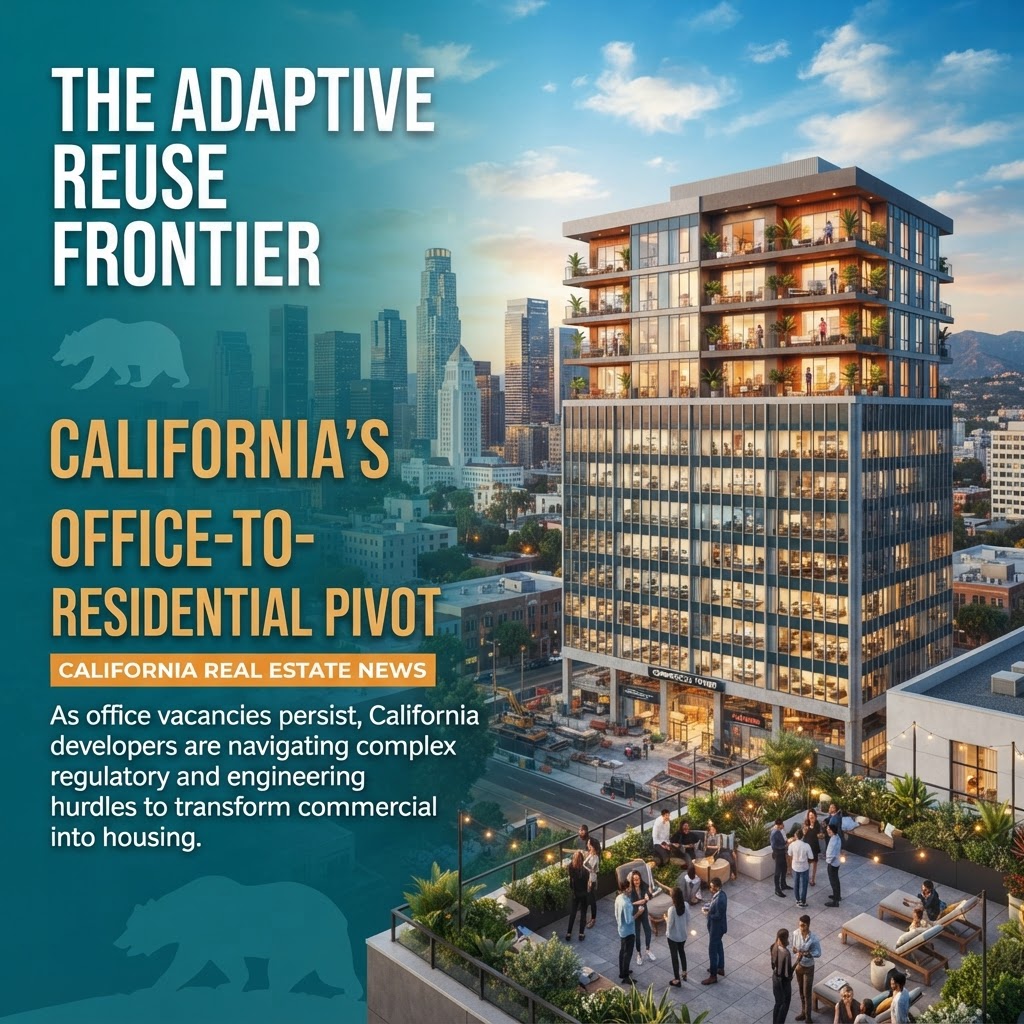
In the wake of the 2025 Adaptive Reuse Expansion Act, the California real estate landscape is witnessing a structural transformation. For decades, the conversion of office towers to residential lofts was a niche endeavor reserved for high-end developers in historic districts. Today, May 7, 2026, data from the California Department of Housing and Community Development (HCD) suggests a broader shift. Over 15,000 units of "Adaptive Reuse" housing have entered the pipeline across Los Angeles and Orange County in the first quarter alone, targeting the elusive "missing middle" segment.
By the Numbers: The Conversion Economics of 2026
According to recent CBRE market reports, Class B and C office vacancy rates in Downtown Los Angeles have plateaued at 19.4%. However, the valuation gap between struggling commercial assets and high-demand residential space has finally widened enough to trigger mass capital migration. The average conversion cost has dropped to $310 per square foot, aided by state-level tax credits and the elimination of mandatory parking minimums for converted structures. This economic alignment is allowing developers to list units at price points 15% below traditional new-construction condos, providing much-needed relief to first-time buyers who have been priced out of the coastal suburban markets.
Impact on Local Market Dynamics
The influx of these units is creating a "soft landing" for urban price growth. While the National Association of Realtors (NAR) notes that single-family home prices in California have risen 4.2% year-over-year, the high-density urban core is seeing a stabilization of rents and entry-level purchase prices. This "Office-to-Oasis" trend is particularly prevalent in corridors like the Wilshire Boulevard stretch and the Irvine Business Complex, where mixed-use zoning is now the default rather than the exception. For the first time in a decade, the supply of one- and two-bedroom units is outpacing demand in specific micro-markets, shifting leverage back toward buyers.
Investor and Buyer Takeaways
- For Investors: Look for aging Class C commercial assets in transit-oriented districts. The 2025 Act provides expedited CEQA (California Environmental Quality Act) exemptions for projects where at least 20% of units are designated as workforce housing.
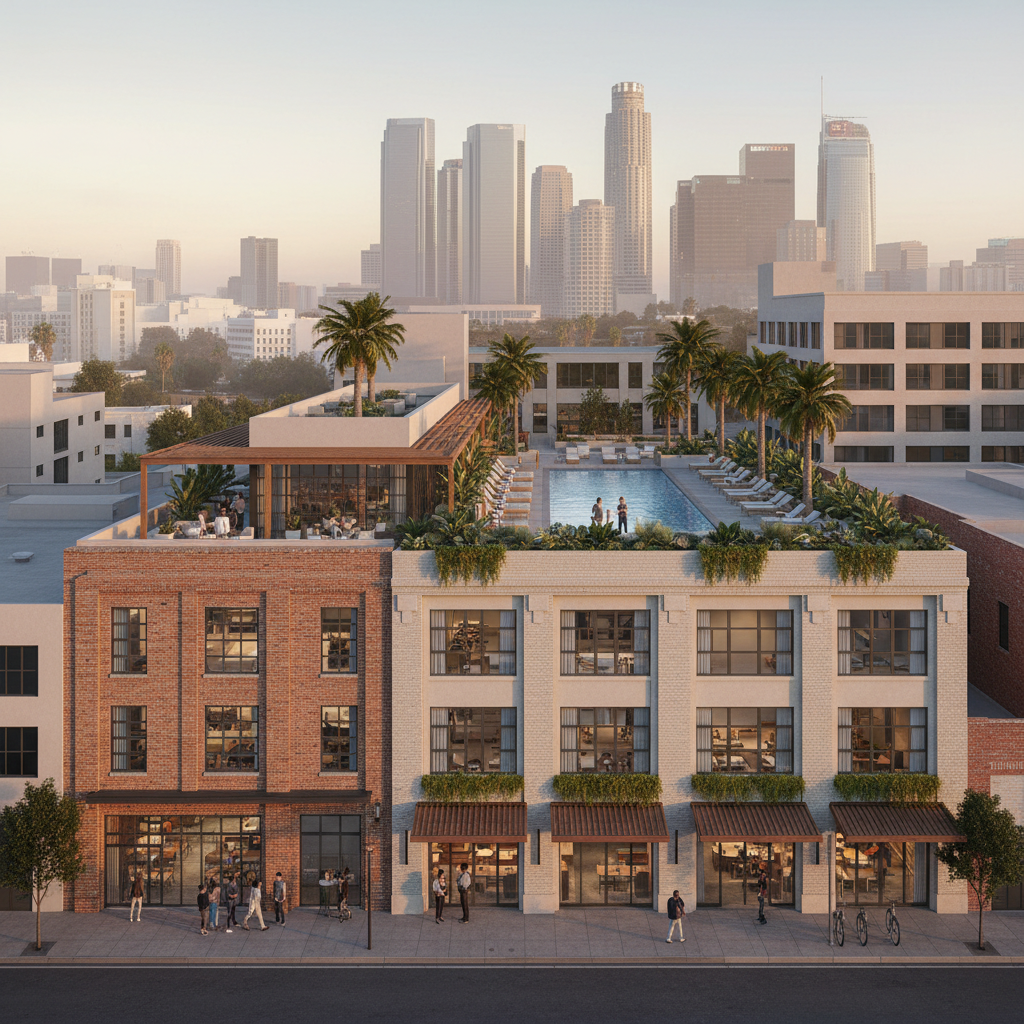
- For Buyers: Urban conversion units often offer higher ceilings and more robust structural integrity than "stick-built" apartments. Monitor the MLS for "Adaptive Reuse" tags to find units with unique architectural features that hold long-term resale value.
- For Sellers: Owners of traditional condos in urban cores should anticipate increased competition. To compete with the amenities of newer conversion projects, focusing on energy-efficient upgrades and smart-home integration is essential.