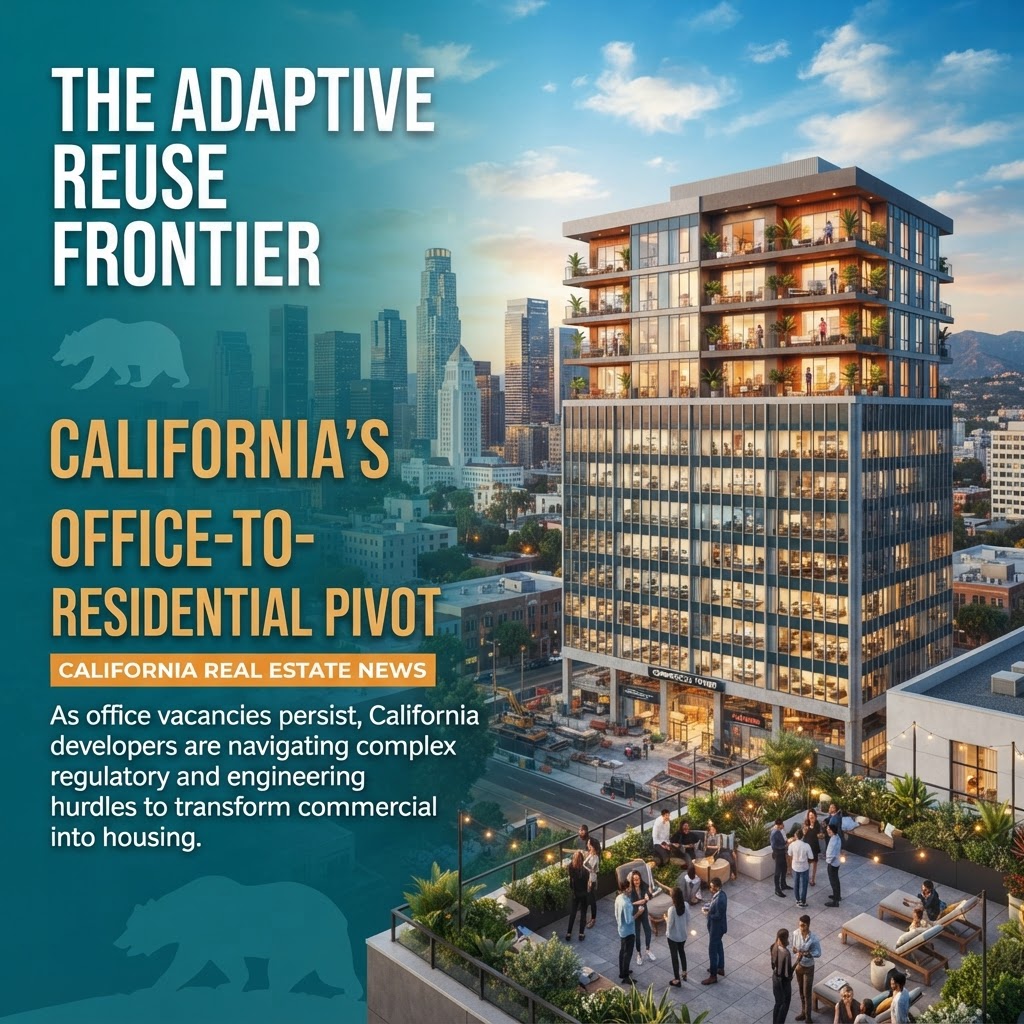
The End of the Litigation Loophole
For decades, the California Environmental Quality Act (CEQA) served as both a protector of the state’s natural beauty and a primary weapon for 'NIMBY' activists seeking to stall housing developments. However, as of April 2026, the landscape has fundamentally shifted. Following the 2025 Housing Accountability Expansion Act, new streamlined exemptions for urban infill projects under 100 units have finally reached full implementation, fundamentally altering the risk profile for California real estate investors.
Data Points: A Market in Motion
According to the latest California Association of Realtors (CAR) quarterly report, permits for small-to-mid-sized multi-family developments (5-50 units) have surged by 22% year-over-year. More importantly, the 'legal carry cost' for these projects—previously a massive deterrent—has plummeted. Data from CBRE indicates that the average time spent in the entitlement phase for transit-oriented infill has dropped from 24 months in 2023 to just 9 months in early 2026.
Construction starts are also reflecting this regulatory thaw. In the first quarter of 2026, California saw 45,000 new units break ground in 'priority development areas,' a 15-year high that experts attribute directly to the reduction in CEQA-related litigation risk.
The Infill ROI Revolution
The primary beneficiary of this shift is the 'Missing Middle' developer. By removing the threat of anonymous environmental lawsuits for projects that adhere to existing zoning, the state has effectively lowered the barrier to entry for local developers. In markets like San Diego and Sacramento, the 'entitlement premium'—the value added to land once it receives building permits—has compressed, making raw land more accessible to builders rather than just speculators.
Practical Takeaways for the 2026 Market
- For Investors: Focus on 'Zombie' commercial lots in Tier 2 cities (like Fresno or Riverside) that are now eligible for expedited residential conversion. The lack of CEQA litigation risk makes these much easier to finance via traditional lenders.
- For Sellers: If you own a lot in an urban-zoned area, your land value is no longer tied to its current use, but to its 'streamlined' development potential. Obtain a preliminary site capacity study to highlight this to buyers.
- For Buyers: The surge in infill inventory is expected to hit the market by mid-2027. If you are looking for new construction, keep an eye on 'boutique' condo developments in urban cores which are now more financially viable for builders than sprawling suburban tracts.
A New Era of Predictability
While the 'Mansion Tax' and insurance woes dominated headlines in years past, 2026 is defined by predictability. With the 'Litigation Loophole' largely closed for compliant projects, the California real estate market is transitioning from a speculative 'land-use lottery' to a more traditional, production-based model. For the first time in a generation, the speed of building is beginning to catch up with the speed of demand.