The End of the ‘Uninsurable’ Era?
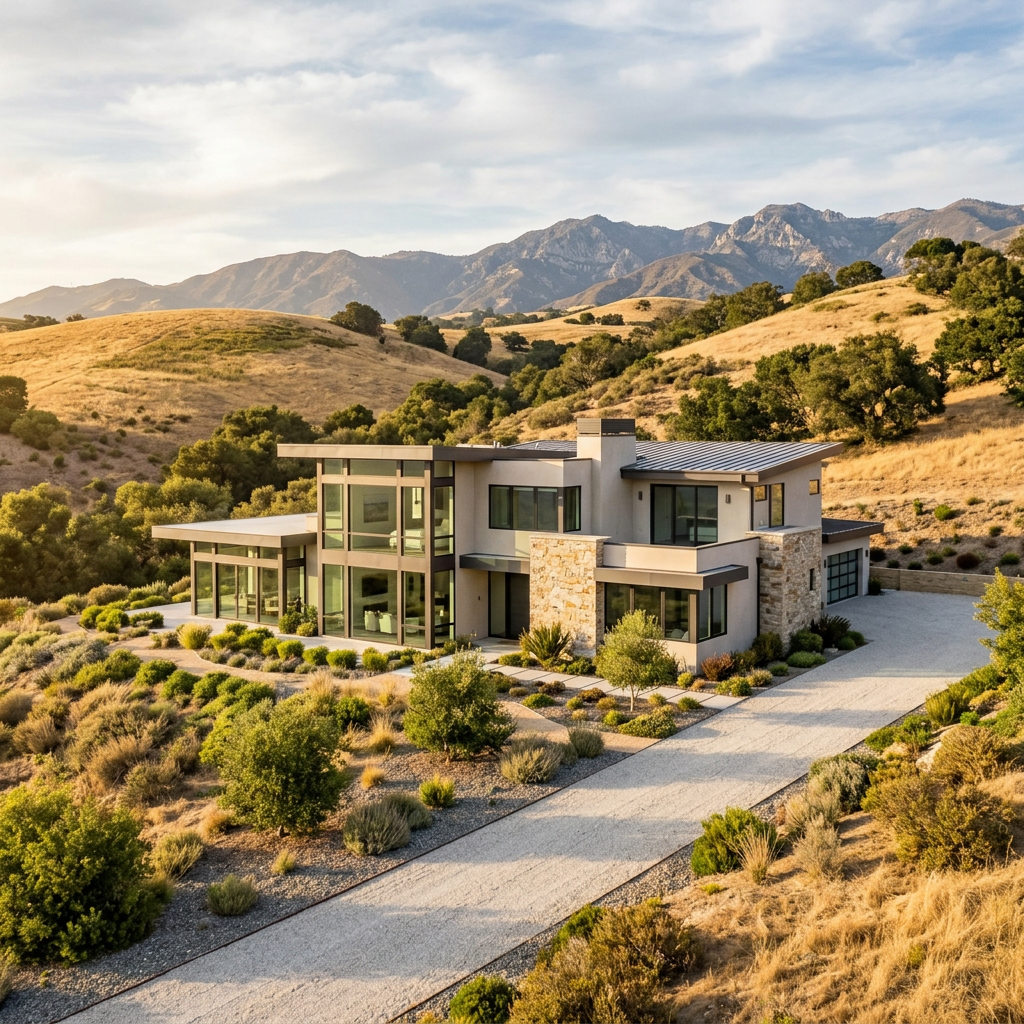
For the past three years, California’s Wildland-Urban Interface (WUI) was effectively a no-go zone for traditional financing as major carriers like State Farm and Allstate retreated. However, as of April 2026, the landscape is shifting. Following the full implementation of the California Department of Insurance’s (CDI) Sustainable Insurance Strategy, private carriers have begun a cautious re-entry into high-risk zip codes, fundamentally altering the valuation of nearly 1.2 million homes.
The 85% Mandate and Forward-Looking Models
The core of this market stabilization is a regulatory trade-off. Under the 2026 framework, insurers are now permitted to use forward-looking catastrophe modeling—rather than relying solely on historical data—to set rates. In exchange, carriers are required to offer coverage to at least 85% of their statewide market share in distressed areas.
According to recent data from the California Association of Realtors (CAR), this has led to a 14% increase in transaction volume in Sierra Nevada foothill communities and parts of the Santa Cruz mountains compared to Q1 2025. While premiums remain 30-50% higher than the state average, the mere availability of private insurance has ended the total reliance on the California FAIR Plan, which had become overleveraged and costly for homeowners.
The 'Fire-Hardened' Premium
A distinct two-tiered market has emerged. The 2026 data from the MLS suggests a widening ‘Value Gap’ between homes that meet the state’s new Wildfire Prepared Home Plus standards and those that do not.
- Certified Homes: Properties with ember-resistant vents, Class A roofing, and a five-foot 0-zone (non-combustible perimeter) are selling at a 7% premium and spending 22 fewer days on market.
- Non-Certified Homes: Properties lacking these retrofits are seeing frequent price cuts, as buyers factor in the 'Insurance Surcharge'—the higher premiums associated with non-hardened structures.
Commercial Implications and the FAIR Plan De-Population
The commercial sector is also seeing a 'flight to safety.' CBRE reports that multi-family developments in WUI zones are now securing debt more easily if they incorporate automated perimeter sprinkler systems and AI-driven smoke detection. Meanwhile, the state’s FAIR Plan has seen its first significant de-population in six years, dropping from 450,000 policies to approximately 380,000 as homeowners migrate back to the admitted market.
Practical Takeaways for the 2026 Market
For Sellers: Obtaining a 'Fire-Hardened' certification prior to listing is no longer optional for top-dollar sales. The investment in defensible space typically sees a 150% ROI in the current insurance climate.
For Buyers: Perform an 'Insurance Contingency' during the due diligence period. Use the new state-mandated transparency tools to see a property’s 'Risk Score' before entering escrow, as this will dictate your long-term carrying costs.
For Investors: Focus on 'deferred maintenance' properties in high-risk zones that can be retrofitted to meet new insurance standards. The spread between 'uninsurable' pricing and 'fully covered' market value represents the most significant equity play in California today.