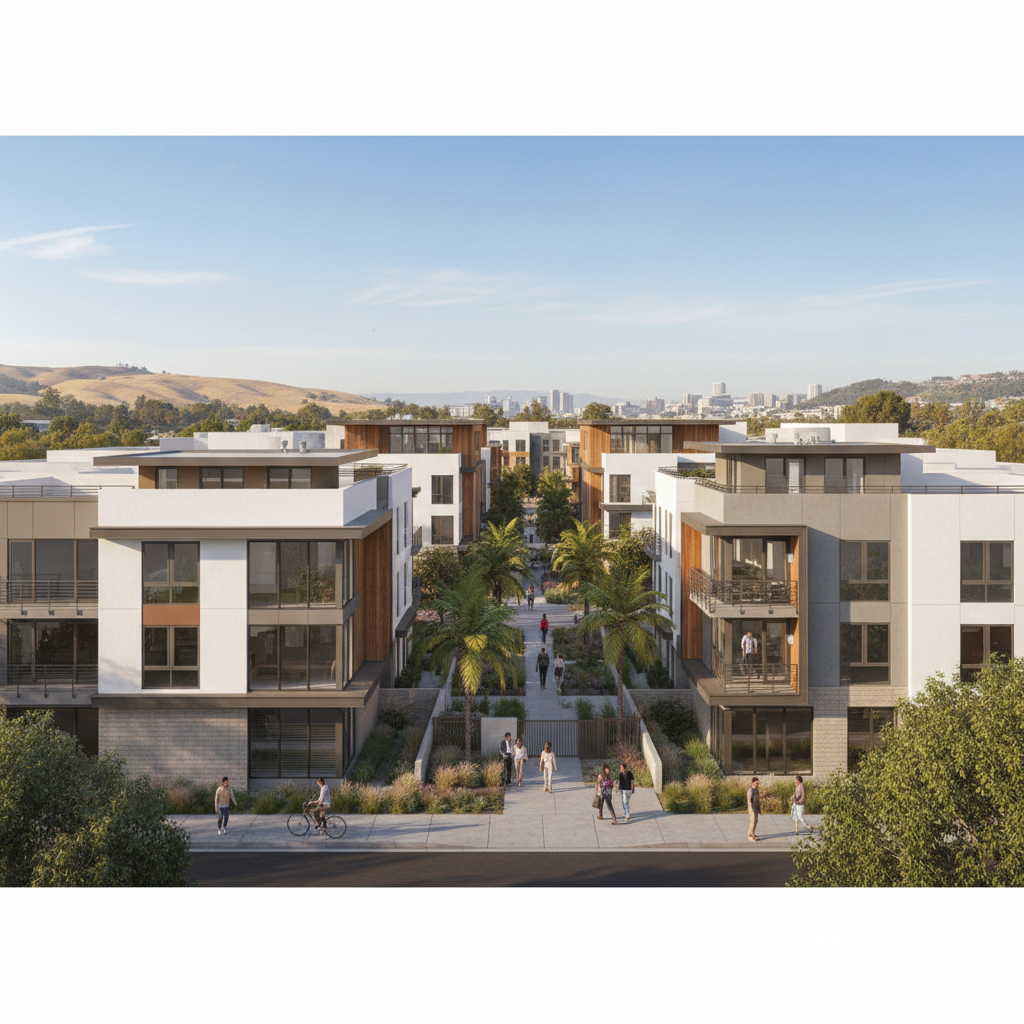
Closing the Gap for the Golden State’s Workforce
As of April 7, 2026, the California real estate landscape is witnessing a structural shift that goes beyond traditional luxury or low-income developments. The newly implemented California Workforce Housing Tax Credit (CWHTC), which entered its first full quarter of effect this month, is finally providing the financial bridge needed to house the state’s ‘missing middle’—those earning between 80% and 120% of the Area Median Income (AMI).
For years, California developers focused on luxury units for high margins or subsidized low-income housing to meet state mandates. The middle class—teachers, healthcare workers, and first responders—were largely left to compete for an aging and scarce supply of existing single-family homes. According to data from the California Department of Housing and Community Development (HCD), the CWHTC has already spurred the approval of over 12,000 new units specifically earmarked for this demographic across the state in Q1 2026.
The Economics of the Workforce Pivot
The primary hurdle for middle-income housing has always been the ‘cost-to-rent’ ratio. In markets like the East Bay or Orange County, the cost of construction often exceeds what a middle-income household can afford in rent or mortgage payments. The CWHTC provides a dollar-for-dollar state tax credit to developers who commit to capping rents or sales prices for a minimum of 30 years.
Data from the California Association of Realtors (CAR) indicates that while overall inventory grew by 8% year-over-year, the specific category of ‘attainable urban density’ (townhomes and mid-rise condos) saw a 22% spike in permit filings this quarter. This surge is concentrated in ‘Transit Priority Areas’ where the state has also relaxed parking requirements, further lowering development costs.
Regional Hotspots: Where the Credit is Landing
While coastal hubs remain expensive, the CWHTC is having its most profound impact on ‘Gateway Cities’ and the Central Valley:
- Sacramento and Roseville: Developers are leveraging the credit to build high-density townhomes near the expanding light rail lines, targeting state workers.
- Long Beach: Former industrial corridors are being rezoned for ‘attainable luxury,’ utilizing the credit to offer 2-bedroom units at 15% below market rate.
- Fresno: As the High-Speed Rail project nears its next phase of completion, workforce housing is becoming the dominant asset class for institutional investors seeking stable, tax-advantaged yields.
Practical Takeaways for the 2026 Market
For Buyers: If you earn between $85,000 and $130,000 (depending on your county), look for developments labeled ‘Workforce Attainable.’ These units often have price caps or specific financing packages backed by the state, offering a rare entry point into new construction.
For Investors: The CWHTC is transferable. Smaller developers who cannot use the full credit are selling them to larger entities, creating a secondary market for tax credits that is providing liquidity to the mid-market sector. This makes ‘Missing Middle’ projects significantly more de-risked than pure-market-rate plays.
For Sellers: The influx of new, attainable units is putting pressure on the lower-end of the existing single-family home market. If you own a starter home that needs significant work, your primary competition is no longer just other old homes, but brand-new, energy-efficient workforce condos in the same price bracket.
The Outlook
As we move into the 2026 summer buying season, the California market is proving that policy, when aligned with developer incentives, can move the needle on supply. The CWHTC isn’t just a tax break; it’s a market-maker for a segment of the population that has been priced out of the California Dream for over a decade.