The Rise of the ‘Zero-Emission’ Home Valuation
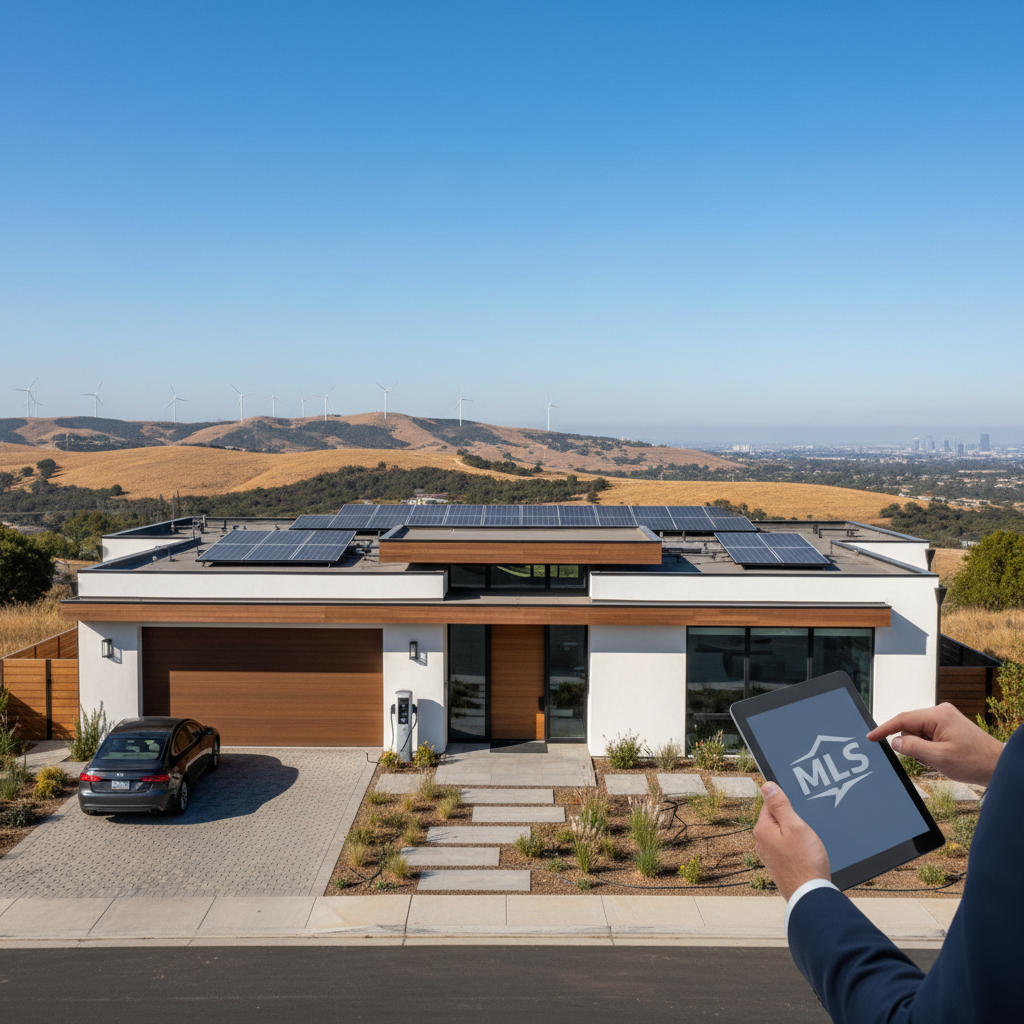
As of April 2026, the California real estate landscape is witnessing a distinct shift in asset valuation driven by the state’s aggressive decarbonization mandates. With the full implementation of the 2025 Title 24 Building Energy Efficiency Standards, new residential construction has effectively moved to an all-electric baseline. However, the most significant market movement isn't happening in new developments, but in the resale sector, where a 'Green Premium' is beginning to emerge.
According to data from the California Association of Realtors (CAR) and the California Energy Commission (CEC), homes equipped with high-efficiency heat pumps, induction cooktops, and integrated battery storage are selling for an average of 4.2% more than comparable gas-reliant properties in the same ZIP codes. This price gap, dubbed the 'Electrification Premium,' reflects both consumer preference for lower utility bills and buyer apprehension regarding future gas-line decommissioning costs.
Data Points: The Cost of Connection
Recent MLS data from the first quarter of 2026 highlights several key trends:
- Retrofit ROI: Homeowners who invested in whole-home electrification retrofits in 2024 and 2025 are seeing a 115% return on investment upon resale, outpacing traditional kitchen and bath remodels.
- Utility Savings: With natural gas prices in California rising 18% year-over-year due to infrastructure phase-outs, all-electric homes with solar-plus-storage are reporting a 60% reduction in monthly energy expenditures.
- Days on Market (DOM): All-electric listings are averaging 14 days on the market, compared to 29 days for homes with aging gas infrastructure.
Regulatory Headwinds for Older Stock
The market shift is being accelerated by local 'reach codes' in over 70 California jurisdictions, including Los Angeles and San Francisco, which now require major renovations to include electric panel upgrades. For buyers of older homes, the 'hidden cost' of future electrification is now being factored into offer prices. Inspections that reveal 100-amp service or aging gas furnaces are frequently resulting in price credits ranging from $15,000 to $25,000, as savvy buyers anticipate the inevitable transition.
Practical Takeaways for Market Participants
For Sellers: Before listing an older home, consider upgrading the electrical panel to at least 200 amps. Even if you don't replace gas appliances, 'electrification readiness' is a high-value marketing point in 2026. Highlighting the absence of indoor combustion pollutants from gas stoves is also proving to be a potent selling point for health-conscious families.
For Buyers: Look closely at the 'Energy Disclosure' reports now standard in CA disclosures. A home that is already fully electrified protects you from the rising costs of retrofitting and potential future municipal gas-use penalties. Ensure the solar PPA (if any) is transferable and that the battery storage capacity is sufficient for peak-load shaving.
For Investors: Focus on 'B-class' properties in sub-markets with aggressive reach codes. Modernizing these units to all-electric status not only increases the terminal value but also qualifies the project for significant federal and state tax credits that were expanded in late 2025.
The Bottom Line
The California market is no longer just about location and square footage; energy infrastructure has become a primary pillar of equity. As the state moves closer to its 2030 climate goals, the divide between 'decarbonized' assets and 'legacy gas' assets will likely widen, making electrification a mandatory consideration for any long-term real estate strategy.