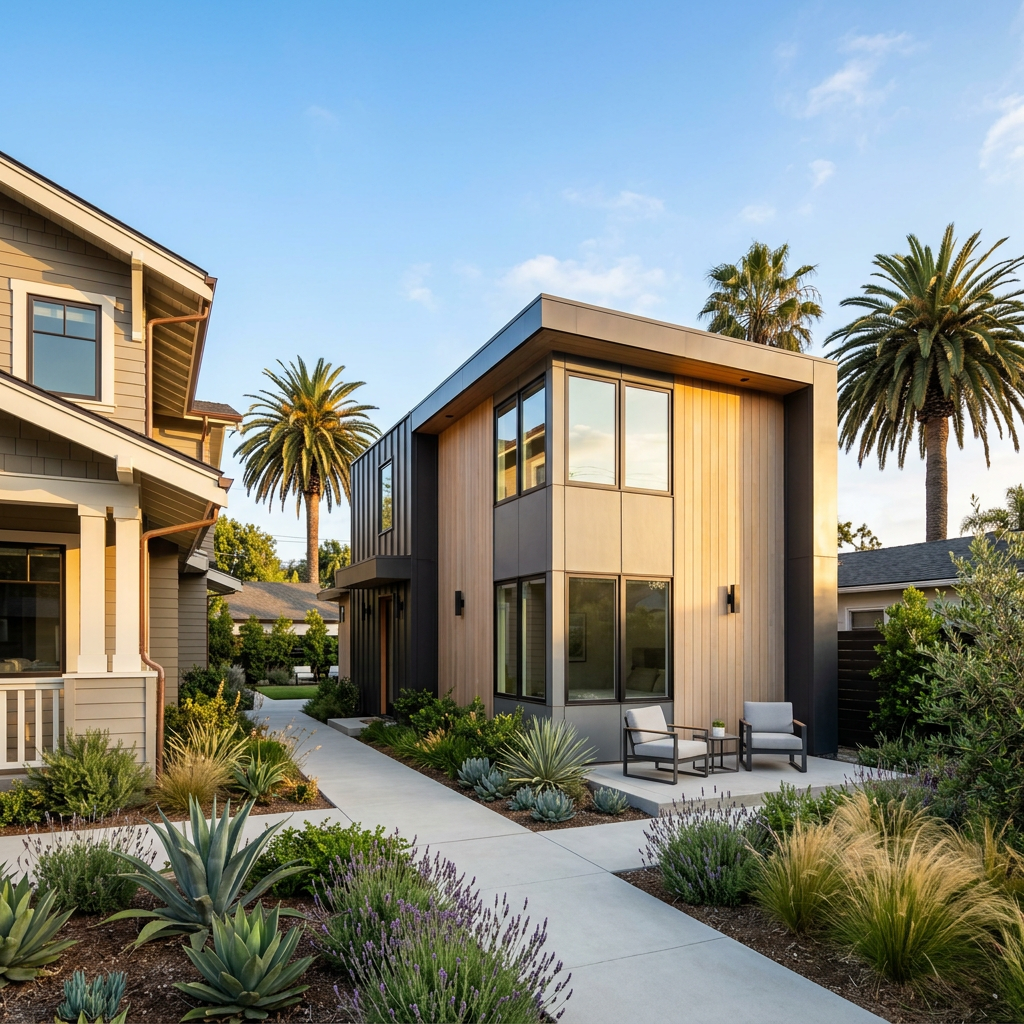
The Backyard Breakout: How Separate Titles are Reshaping the Coast
For decades, California’s accessory dwelling units (ADUs) were strictly rental plays—income generators for homeowners or housing for multi-generational families. However, as of April 4, 2026, a significant regulatory shift has matured into a full-blown market segment: the ADU-condominium. Following the widespread adoption of AB 1033 by major municipalities including San Diego, San Jose, and now Los Angeles, homeowners are increasingly opting to sell their backyard cottages as independent units, creating a new 'micro-condo' asset class.
Data Spotlight: The Q1 2026 Surge
According to the California Association of Realtors (CAR) March 2026 report, ADU-condo registrations have surged by 42% year-over-year. In San Diego County alone, over 1,200 detached ADUs were converted to separate titles in the first quarter of the year. The primary driver? Price point. While the median price for a detached single-family home in the coastal basins remains above $950,000, these newly minted 'backyard condos' are hitting the market at between $450,000 and $650,000, offering a rare entry point for first-time buyers.
The Regulatory Catalyst
The movement was catalyzed by the state’s push to increase density without the long lead times of high-rise construction. Under current 2026 local ordinances, property owners can convert their ADUs into condominiums provided they meet specific criteria, including separate utility connections and the formation of a two-unit homeowners association (HOA). This allows the owner of the primary residence to 'liquidate' their backyard equity without selling their primary home, a strategy that has become a lifeline for retirees facing rising costs of living.
Investment and Seller Takeaways
- For Current Homeowners: Converting an existing ADU into a condo can unlock significant liquidity. In neighborhoods like West Adams or North Park, a detached ADU sold as a condo can command 70-80% of the value of a comparable small bungalow, often exceeding the equity value it provides as a rental.
- For Investors: The 'Buy, Build, Split' model is the new preferred strategy. Investors are purchasing older single-family homes on large lots, constructing a high-end ADU, and then exiting the project by selling the units separately to maximize ROI.
- For Buyers: These units offer a path to fee-simple ownership with lower maintenance and higher privacy than traditional apartment-style condos. However, buyers should scrutinize the two-unit HOA agreements, which govern shared costs like roof repairs and insurance.
The Road Ahead: Financing Hurdles Fade
Initially, financing for these split-title properties was a hurdle, but 2026 has seen a stabilization in the lending environment. Major credit unions and regional banks have introduced 'Dual-Title Construction Loans,' which facilitate both the build and the eventual condo conversion process. As more appraisal data becomes available, the valuation gap between traditional homes and ADU-condos is narrowing, cementing this as a permanent fixture of the California real estate landscape.