The Rise of the Resilience Score
As of March 29, 2026, the California real estate landscape is grappling with the full implementation of the Climate Risk Disclosure Act (SB-442), which took effect at the start of the year. Unlike previous years where flood or fire maps were mere footnotes in a disclosure packet, 2026 marks the first spring selling season where 'Resilience Scores' are integrated directly into the Multiple Listing Service (MLS). This data-driven shift is fundamentally altering how buyers perceive value in the state's most coveted coastal and wildland-urban interface (WUI) zones.
A Widening Gap in Coastal Valuations
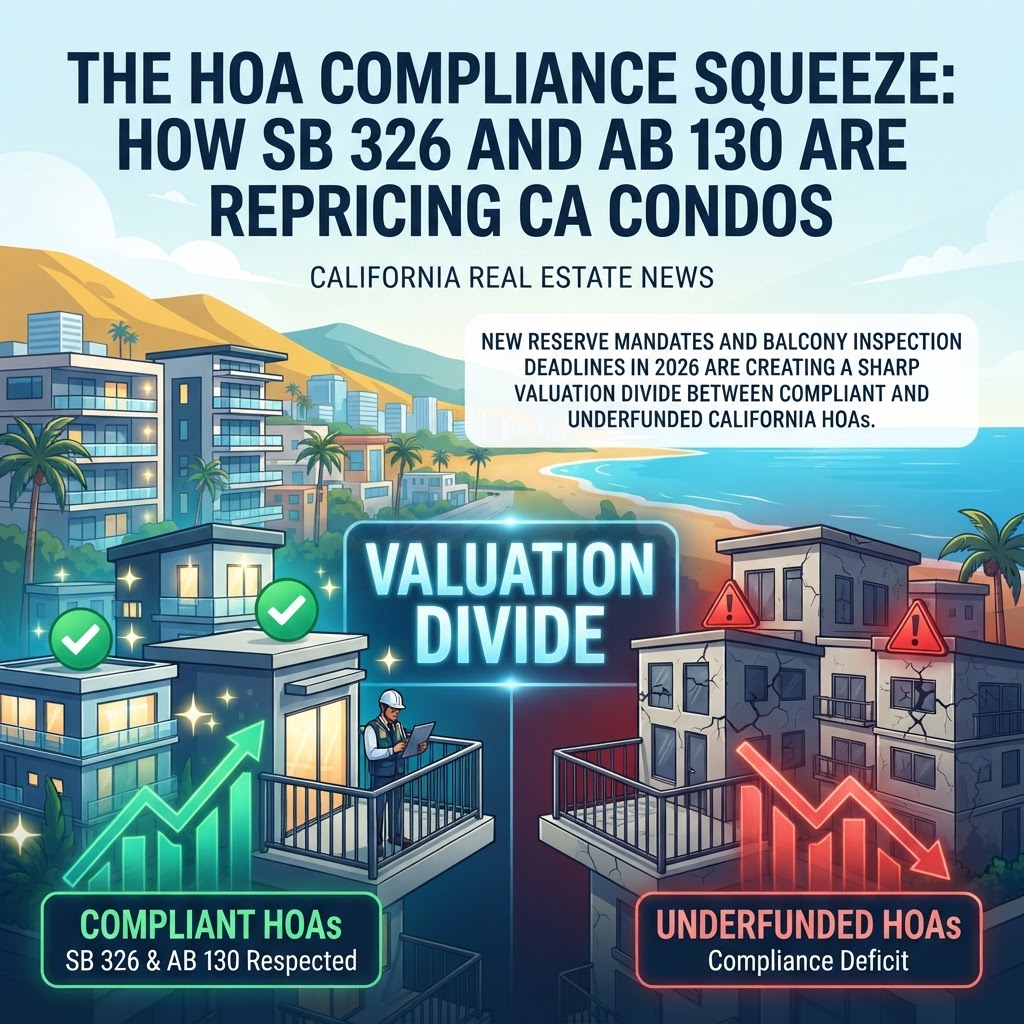
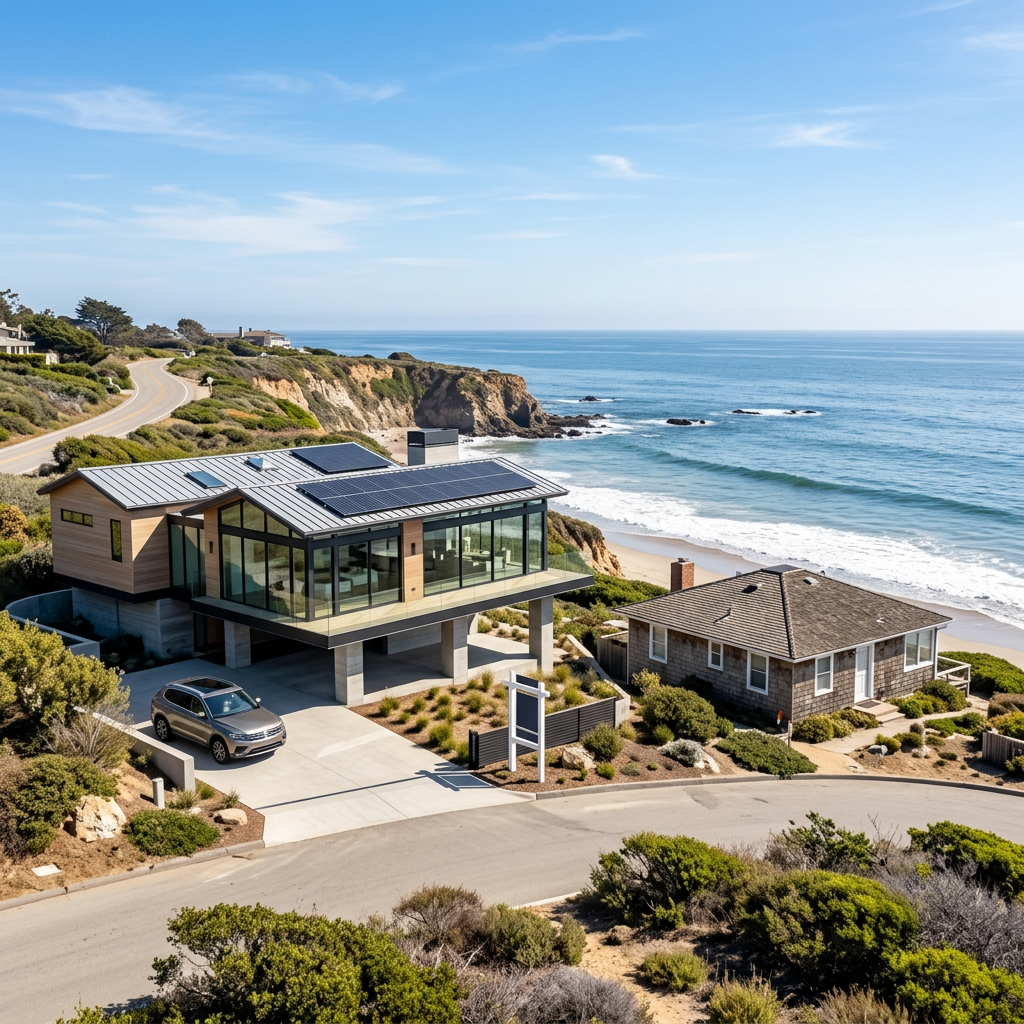
Data from the California Association of Realtors (CAR) and recent MLS aggregates show an emerging 'Resilience Premium.' In coastal enclaves like Newport Beach and Santa Cruz, properties with high-tier fortification certifications—such as elevated first floors, reinforced seawalls, or fire-hardened building materials—are commanding prices 12% higher than non-certified neighbors. Conversely, homes with low resilience scores are seeing an average of 22 additional days on market (DOM) compared to the same period in 2025.
The National Association of Realtors (NAR) reports that nearly 65% of California buyers now list 'climate durability' as a top-three priority, surpassing traditional desires like interior square footage or luxury finishes. This shift is particularly visible in the $2 million to $5 million segment, where the cost of future retrofitting is being aggressively priced into current offers.
The Insurance Leverage Point
The primary driver of this market bifurcation is the stabilization of the insurance sector. Under new state regulatory frameworks established in late 2025, insurers are now permitted to use forward-looking catastrophe modeling to set rates, but only for properties that meet specific 'Hardened Home' standards.
For a typical $1.5 million home in a high-risk zone, the difference in annual premiums between a 'hardened' and 'non-hardened' structure can now exceed $8,000. For investors, this represents a significant hit to cap rates, leading to a cooling of institutional interest in older, non-retrofitted inventory.
Practical Takeaways for the 2026 Market
- For Sellers: Before listing, invest in a professional resilience audit. Small upgrades to vent screens, weather-stripping, and drainage can significantly boost your property's 'Resilience Score,' potentially yielding a 3x return on investment through a higher closing price.
- For Buyers: Look beyond the aesthetic. A beautifully renovated home without a climate-fortified envelope may lead to 'insurance shock' within twelve months. Always request the property’s SB-442 disclosure report during the due diligence period.
- For Investors: There is a growing 'Value-Add' opportunity in 'Resilience Flipping.' Purchasing high-risk properties at a discount and retrofitting them to meet 2026 state hardening standards is becoming a more reliable strategy than cosmetic-only renovations.
The Path Ahead
As the April inventory surge approaches, the California market is proving that transparency is a double-edged sword. While the new mandates have initially slowed volume in high-risk census tracts, they are providing a much-needed foundation for long-term market stability. In the words of a recent CBRE regional report, 'We are no longer pricing real estate based on the view alone; we are pricing the probability of the view remaining unchanged for the next thirty years.'