The Replacement Cost Gap: California’s New Value-Add Investment Strategy
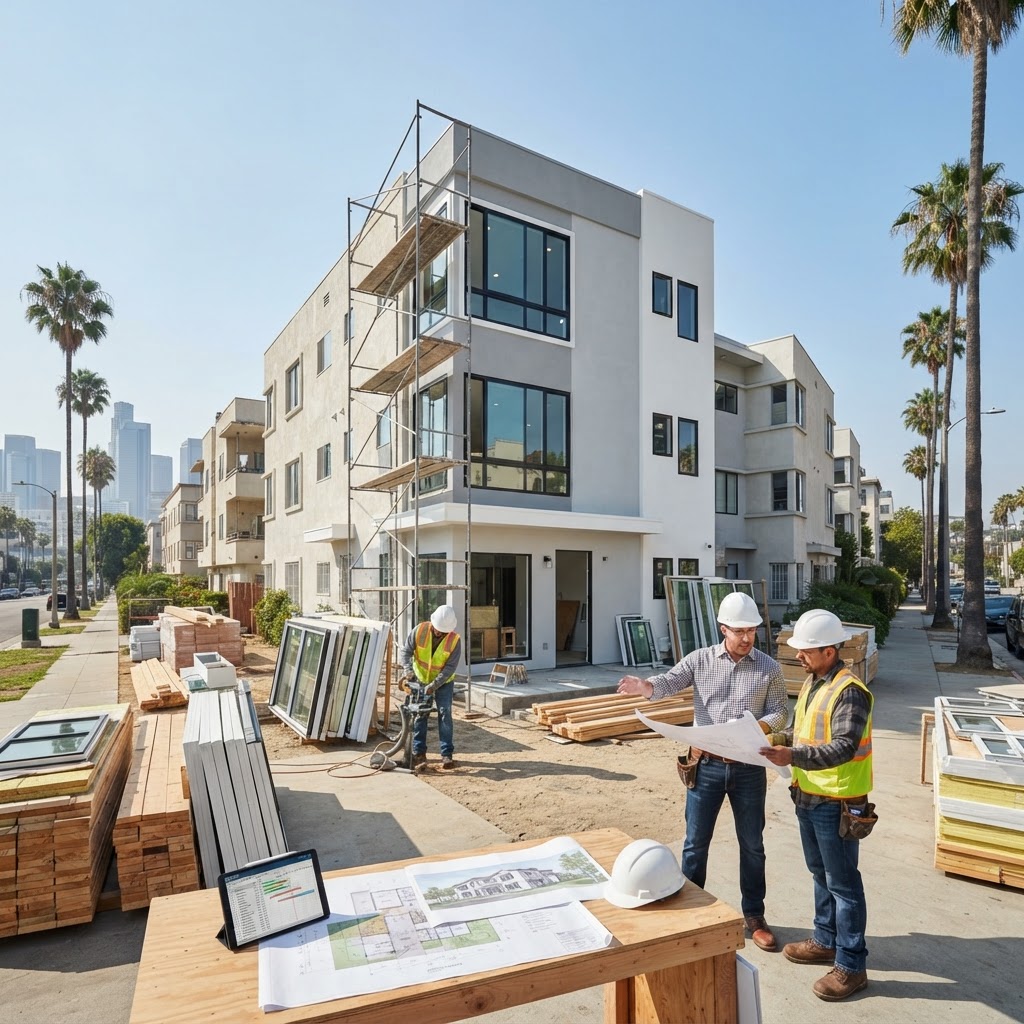
As of November 2026, the California commercial real estate (CRE) landscape is defined by a fundamental disconnect between the cost of new construction and the pricing of existing assets. With mid-scale hospitality development costs reaching $250,000 to $300,000 per key, ground-up projects have become increasingly uneconomical in many submarkets. This reality has forced a strategic pivot: investors are moving away from speculative development and toward the acquisition of existing properties trading at significant discounts to replacement cost.
The Economics of the Pivot
The current interest rate environment, with multifamily loan rates hovering around 6.12% as of November 9, 2026, has effectively reset the math for CRE investors. Cap rates have expanded across most sectors, reflecting a market that prioritizes income-driven returns over speculative appreciation. In the Los Angeles multifamily market, for instance, cap rates have risen for six consecutive quarters to 5.37%, while price-per-unit metrics have drifted approximately 13.9% below 2022 peaks.
Sector-Specific Implications
- Hospitality: Investors are targeting assets with deferred capital needs or challenged ownership structures. Because new supply is constrained by high construction costs, well-positioned existing hotels are seeing a path to occupancy recovery without the threat of immediate competitive oversupply.
- Industrial: While logistics remains a primary demand driver, the sector is working through excess inventory. Investors are focusing on infill locations where supply is physically constrained, rather than chasing speculative flex-space projects that have seen higher vacancy rates.
- Office: The sector is showing signs of bottoming out. While substantial excess inventory remains, Class A assets are leading demand, and investors are increasingly looking for opportunities to reposition obsolete Class B assets, provided the entry basis allows for significant capital improvements.
Practical Takeaways for Investors
For those navigating the current California market, the following strategies are essential:
- Prioritize Basis over Speculation: Focus on acquiring assets at a significant discount to replacement cost. The "replacement cost gap" provides a built-in margin of safety that speculative development currently lacks.
- Underwrite for Income: With total returns increasingly driven by net operating income (NOI) rather than cap rate compression, ensure that your underwriting accounts for realistic rent growth and operational efficiency rather than relying on exit-cap assumptions.
- Document Distressed Comps: In a market where sales volume is rising but pricing remains repriced, appraisals are heavily influenced by the income approach. Ensure that any acquisition of a distressed asset is supported by rigorous documentation of comparable sales to justify the valuation to lenders.
- Monitor Debt-Service-Coverage Ratios (DSCR): Most large-balance lenders now require a DSCR of at least 1.25x. Investors should stress-test their portfolios against current financing costs to ensure long-term viability during the refinancing cycle.
The 2026 market is one of discipline. By focusing on the gap between what it costs to build and what it costs to buy, California investors can find value in a landscape that has finally moved past the speculative fervor of previous years.