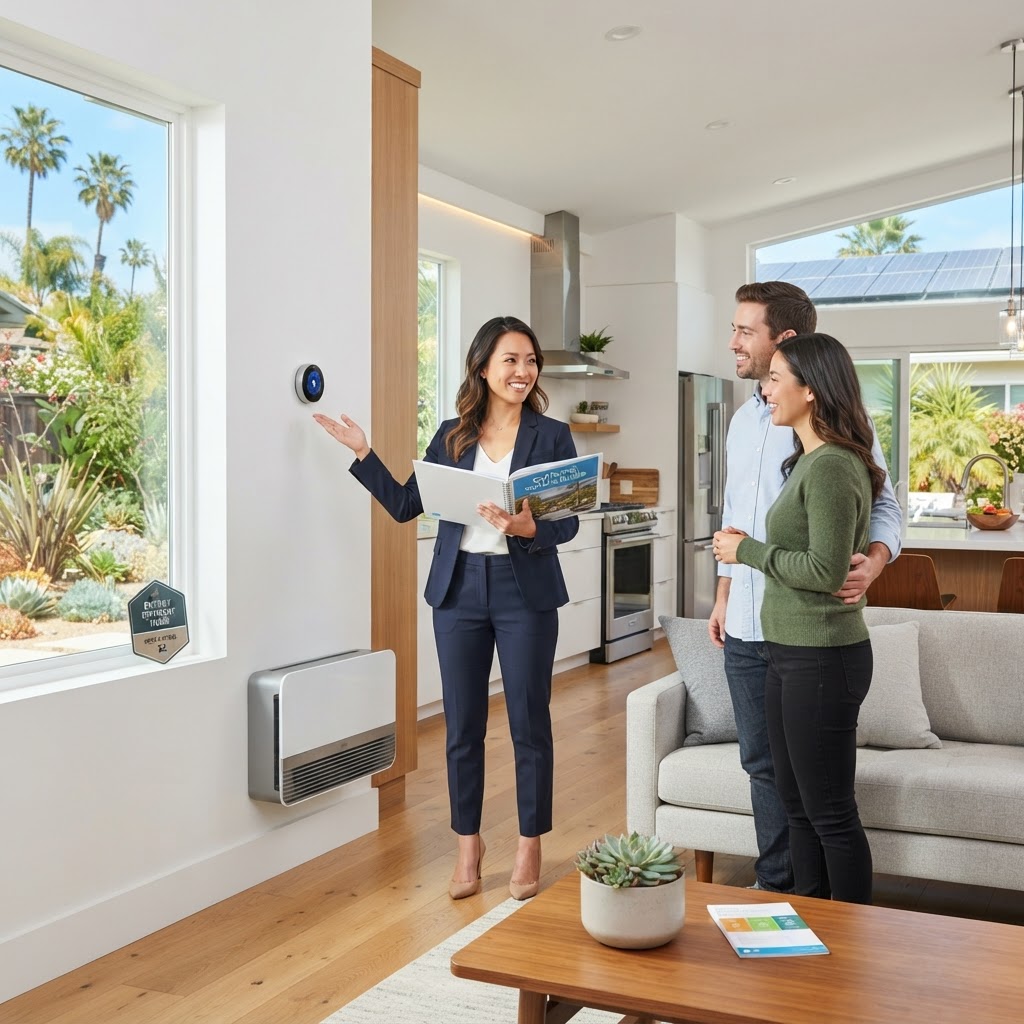
The 2026 California Seller’s Psychology & Precision Guide
In the 2026 California real estate landscape, the era of 'list and wait' has faded. With statewide median prices hovering around $901,420 as of August 2026, buyers are increasingly selective. Success today is not just about property condition; it is about managing the intersection of buyer psychology, legal transparency, and data-backed pricing.
1. The Psychology of the First 14 Days
The first two weeks on the market are the most critical period for any California listing. Buyers are highly educated and monitor new inventory daily. If a home is overpriced, it risks being ignored or stigmatized. According to market data, overpricing is the most expensive mistake a seller can make, often leading to price drops that exceed the initial 'reach' price. Aim to price within the range established by a rigorous Comparative Market Analysis (CMA) rather than relying on automated online estimates, which can be 5–15% off the mark.
2. Disclosure as a Competitive Advantage
In California, disclosures are often treated as a hurdle to clear after an offer is accepted. Savvy sellers now treat them as a marketing tool. By completing the Transfer Disclosure Statement (TDS), Natural Hazard Disclosure (NHD), and Seller Property Questionnaire before listing, you signal to buyers that you are organized and transparent. This proactive approach can eliminate a 7-day delay in the contract timeline and builds immediate trust with serious buyers.
3. Curating the 'Indoor-Outdoor' Experience
California buyers prioritize the lifestyle a home offers. Because 94% of buyers use online resources to shop, your digital curb appeal is your first showing. Beyond standard decluttering, focus on:
- Lighting: Maximize natural light to highlight the indoor-outdoor flow.
- Exterior Presentation: Power wash, trim landscaping, and add fresh entry accents. Strong curb appeal can boost perceived value by up to 11%.
- Staging: Use light staging to define awkward spaces. According to the National Association of REALTORS®, staging helps 83% of buyers visualize the property as their future home.
4. Practical Takeaways for 2026
- Avoid AI Misrepresentation: Be aware of California’s AB 723, which requires disclosure if listing photos have been materially altered by AI.
- Electrical Safety: Ensure compliance with SB 382 regarding professional electrical safety standards.
- Strategic Reductions: If the market dictates a price adjustment, make it meaningful. A 3–4% reduction is generally the minimum required to move the needle in a balanced market.
- Repair vs. Credit: Treat the decision to repair or offer a credit as a psychological choice. If a repair is visible and distracting, fix it. If it is technical or minor, a credit allows the buyer to choose their own contractor, often reducing your stress during the escrow period.
By focusing on these high-impact areas, you move beyond the basics and position your home to stand out in a market that rewards preparation over timing.