Maximizing Property Utility: A 2026 Guide to California's Housing Flexibility
For the modern California home buyer, the value of a property is no longer defined solely by its square footage or location. As of late 2026, the state’s regulatory environment has shifted to prioritize housing flexibility, allowing owners to unlock significant utility through Accessory Dwelling Units (ADUs) and multi-unit development strategies. Understanding these mechanisms is essential for buyers looking to maximize their investment.
Leveraging Accessory Dwelling Units (ADUs)
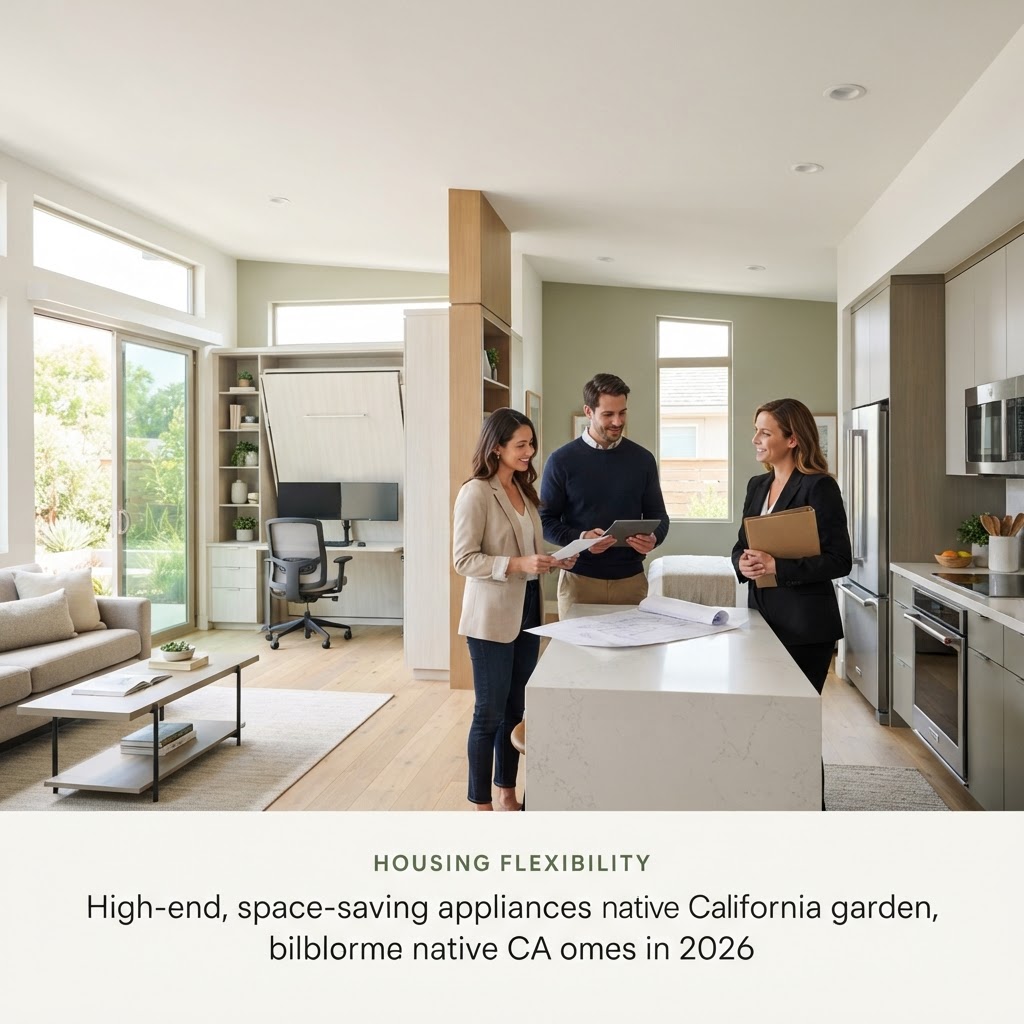
The California Department of Housing and Community Development (HCD) continues to refine the regulatory framework for ADUs. As of the March 2026 update to the ADU Handbook, state law provides a robust baseline that overrides many restrictive local ordinances. Buyers should note that newly constructed detached ADUs are generally subject to California Energy Code requirements for solar systems, though these can often be installed on the primary dwelling unit to satisfy the mandate.
Practical Takeaways for Buyers:
- Verify Local Compliance: While state law is supreme, local jurisdictions may still have specific fee schedules and zoning nuances. Always check the city’s current Master Fee Schedule before closing to avoid unexpected permit costs.
- Energy Efficiency Planning: If you plan to build an ADU, consult with the California Energy Commission (CEC) regarding solar exemptions. Conversions of existing residential space are often exempt from new solar requirements, potentially saving thousands in construction costs.
- Utility Connections: Be aware that while state law limits certain impact fees, you must still account for water and sewer tap fees, which vary significantly by municipality.
Understanding Residential Development Protections
The legislative landscape has also introduced protections for buyers interested in model home designs and standardized residential construction. Under recent statutes like AB 306/AB 130, residential building standards in effect at the time of a permit application for a model home design are locked in for future dwellings based on that design for a set period. This provides a level of predictability for buyers purchasing in new master-planned communities.
Strategic Due Diligence
When evaluating a property, look beyond the current structure:
- Check for Historic Constraints: Properties in designated historic districts or those listed on state/local inventories may be ineligible for certain streamlined development pathways, such as those provided under SB 9.
- Review Local Zoning Maps: Use interactive zoning tools provided by local planning departments to identify if your property is in a coastal zone or a high-fire-risk area, as these factors trigger specific environmental and safety compliance requirements that can impact renovation timelines.
- Assess Potential for 'Qualified Entity' Status: If you are looking at multi-family or affordable housing assets, be aware of the Notice of Opportunity to Submit an Offer to Purchase (NOSOP) process, which prioritizes buyers committed to long-term affordability.
By focusing on properties that offer the flexibility to adapt to California’s evolving housing laws, buyers can secure assets that remain resilient and valuable in a changing market.