The Labor-Supply Squeeze: Why Construction Costs Defy Market Cooling
While California’s residential real estate market is currently defined by a 6.5% year-over-year decline in existing home sales as of September 2026 [3], a secondary, more structural crisis is brewing beneath the surface. Despite the cooling transaction volume, the cost of new housing remains stubbornly high, driven by a deepening labor shortage that is decoupling construction output from market demand.
The Construction Labor Paradox
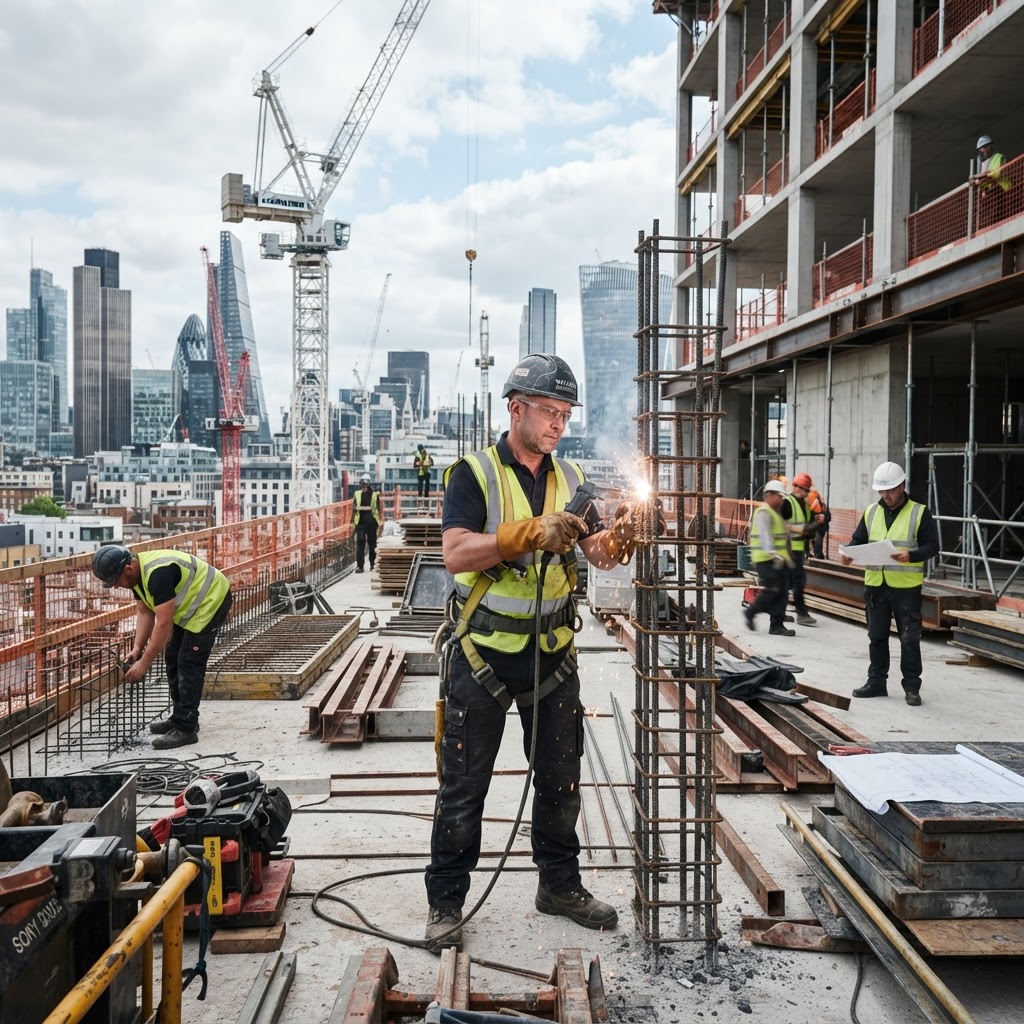
Recent data from the NAHB/Well Fargo Housing Market Index reveals that labor shortages in the home-building industry have reached levels exceeding the 2004-2006 housing boom [10]. With 58% of builders reporting shortages in finished carpentry and 47% across nine major trades, the industry is struggling to maintain momentum [10]. This is occurring even as residential construction employment trends downward, as builders lose talent to higher-paying sectors like data center development [10].
Why Prices Remain Resilient
The common expectation that lower sales volume would lead to significant price corrections is being thwarted by this supply-side friction. As of September 2026, the statewide median home price remained near $900,000, down only 0.2% from August [3], [7]. The "mortgage rate lock-in" effect continues to suppress new listings, but the inability to build new, affordable inventory at scale—due to both regulatory hurdles and labor costs—creates a structural price floor that prevents a meaningful market reset [3], [4].
Practical Takeaways for Market Participants
- For Investors: Focus on "turnkey" assets. With construction labor costs rising and project timelines extending due to trade shortages, the risk premium on new development or major renovations has increased significantly [9], [10].
- For Buyers: Recognize that the "buyer’s market" is highly localized. While inventory is rising in regions like the Inland Empire (4.7 months of supply), the Bay Area remains tighter [5]. Negotiating power is currently highest in markets where inventory growth is outpacing buyer demand, rather than relying on a broad statewide price collapse [4], [5].
- For Sellers: The era of rapid appreciation has paused, but the lack of new supply means your competition remains limited. Pricing strategies should be data-driven based on regional months-of-inventory metrics rather than historical peak expectations [5].
Ultimately, California’s housing market is not experiencing a traditional cyclical crash, but rather a period of stagnation caused by the collision of high borrowing costs and an inability to efficiently expand the housing stock. Until the labor-supply feedback loop is addressed, the floor for home prices will likely remain firm, regardless of transaction volume.