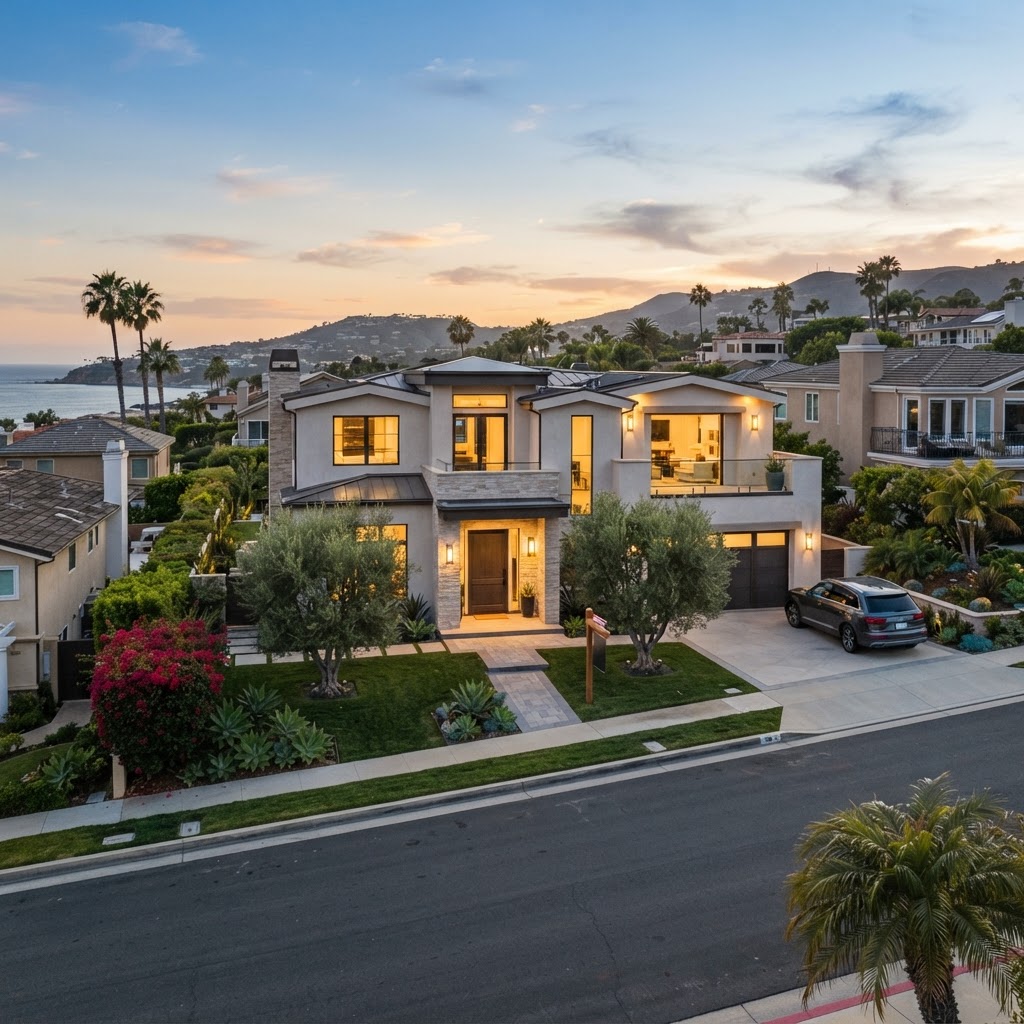
The Seasonal Price Pivot: California Real Estate in a 7% Rate Environment
As of November 1, 2026, the California housing market is navigating a complex intersection of cooling interest rates and traditional seasonal slowdowns. With the 30-year fixed-rate mortgage averaging 7.24% according to the latest Freddie Mac Primary Mortgage Market Survey, prospective buyers are observing a modest improvement in purchasing power compared to the peaks seen earlier this autumn.
The Price-Rate Balancing Act
Recent data from the California Association of Realtors (C.A.R.) highlights a critical trend: median home prices in the state dipped to $894,630 in the third quarter of 2026, down 2.3% from the previous quarter. This price softening is acting as a necessary counterbalance to elevated borrowing costs. For many California households, this shift is providing a narrow window of stability, as lower entry prices help offset the impact of mortgage rates that remain significantly higher than the sub-6% levels observed a year ago.
Market Dynamics and Inventory Trends
While mortgage rates have trended downward from their October highs, the market remains sensitive to macroeconomic indicators. Upcoming economic reports, including ISM manufacturing and services surveys, are expected to influence Treasury yields, which serve as the primary benchmark for mortgage pricing. For California buyers, this means that while the current trend is favorable, volatility remains a constant factor.
Inventory growth continues to be a point of concern. While 2026 has seen a healthier volume of new listings compared to recent years, the "lock-in effect" persists, where potential sellers are hesitant to trade their existing low-rate mortgages for current market rates. This supply constraint continues to support home values even as demand fluctuates.
Practical Takeaways for California Participants
- For Buyers: Focus on total monthly housing costs rather than just the interest rate. With home prices softening in many counties, there may be room to negotiate on purchase price, which can have a more significant long-term impact on your monthly payment than a minor fluctuation in rate.
- For Sellers: Recognize that the market is entering its traditional slow season. Pricing your home competitively based on recent local comps is essential, as buyers are increasingly budget-conscious and sensitive to the "house-poor" risks associated with high-interest debt.
- For Investors: Monitor the spread between 30-year fixed rates and 15-year options. As the market stabilizes, shorter-term financing or adjustable-rate products may offer strategic advantages for those with specific liquidity goals or shorter investment horizons.
Ultimately, the California market is currently defined by a delicate equilibrium. Buyers who can navigate the current rate environment with a disciplined budget may find that the combination of price moderation and a cooling rate trend offers a more sustainable entry point than the aggressive market conditions of early 2026.


