Navigating California’s 2026 Zoning and Energy Efficiency Standards
For the 2026 California homebuyer, the search for a property involves more than just location and price. With 482 local jurisdictions each maintaining unique zoning codes, understanding the regulatory landscape is essential for long-term value. As of Q2 2026, California remains the national leader in zoning reform, yet the complexity of these local rules requires a strategic approach.
Understanding the Zoning Landscape
California’s zoning environment is arguably the most complex in the nation. Buyers should be aware that local jurisdictions, such as Santa Ana or Sacramento, frequently update their zoning maps and land-use regulations. For instance, recent updates may include specific bans on certain commercial uses or changes to residential-industrial interface zones. Always verify the specific zoning district of a property—such as Agricultural-Residential or high-density residential—as these designations dictate future development rights and potential property use.
The ADU Advantage
With 18,400 ADU permits issued in the last 12 months, Accessory Dwelling Units (ADUs) have become a primary strategy for California homeowners to increase property value and utility. State laws like AB 2221 and SB 897 have streamlined the process, allowing ADUs by right on most residential lots and mandating permit processing within 60 days. When evaluating a property, consider the potential for an ADU, but remember that the median build cost in California has reached approximately $225,000.
Energy Efficiency and Title 24
The 2025 California Energy Code, which took effect January 1, 2026, has fundamentally changed the requirements for new construction. The code emphasizes high-efficiency heat pumps for space and water heating rather than mandating specific technologies, utilizing energy-use “budgets” to drive efficiency. Buyers of new homes should note:
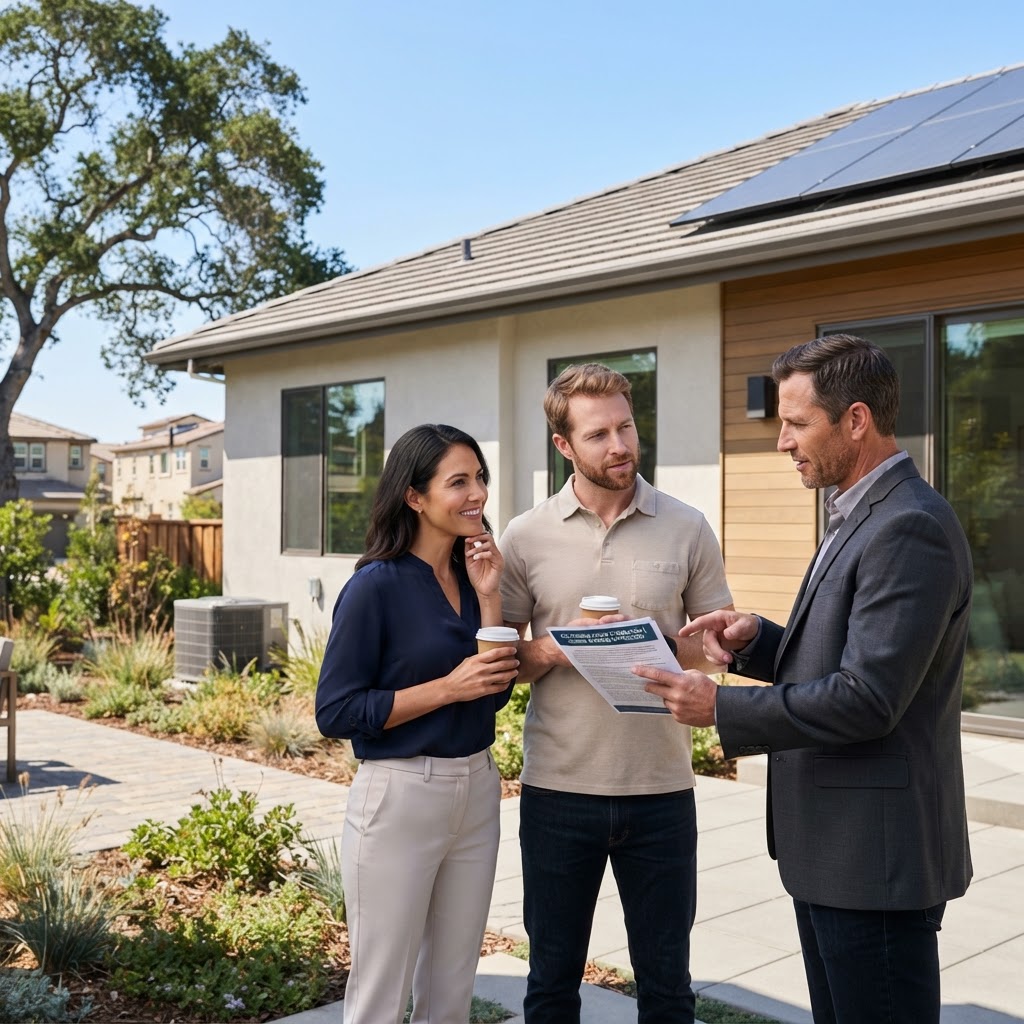
- Solar Mandates: While solar PV is generally required for new low-rise residential buildings, do not assume panels are owned. They may be leased, which impacts your financing and long-term costs.
- Battery Readiness: Newer construction often includes battery-ready provisions to help manage grid demand.
- Disclosure: While California has no statewide requirement to disclose energy benchmarking data for residential sales, it is prudent to request energy usage history from sellers to gauge the efficiency of the home’s systems.
Practical Takeaways for Buyers
- Verify Zoning: Before making an offer, check the local jurisdiction’s zoning portal to understand if the property is subject to specific overlay districts or future land-use changes.
- Audit Solar Agreements: If purchasing a new home, clarify whether the solar system is owned, leased, or part of a power purchase agreement.
- Assess ADU Potential: If you are looking for investment potential, prioritize properties in jurisdictions that have fully integrated state ADU mandates, as this reduces the risk of local permit delays.
- Consult Professionals: Given the complexity of Title 24 and local zoning, engage with agents or consultants who specialize in the specific city or county where you are buying to ensure you are not inheriting non-compliant systems or restrictive land-use covenants.