The Adaptive Reuse Gap: Office-to-Residential Shifts in California
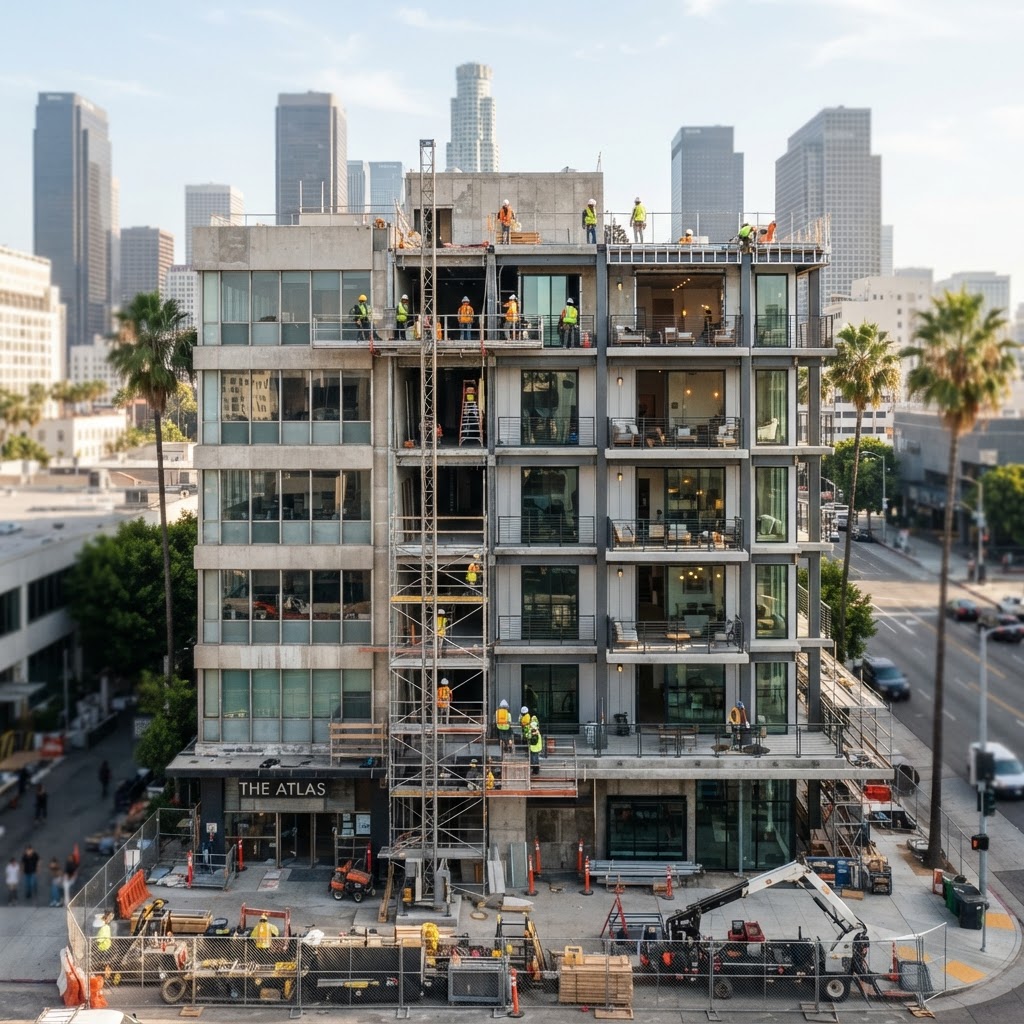
As of October 2026, California’s real estate landscape is defined by a stark contrast: a residential market struggling with affordability and supply, and a commercial office sector grappling with persistent vacancy. While much of the focus remains on interest rate sensitivity, a quiet but significant shift is occurring in the state's urban cores: the conversion of underutilized office space into residential units.
The Conversion Trend
According to recent data from CBRE, the trend of office-to-residential conversion is accelerating, with Orange County alone earmarking 4.2 million square feet of office space—roughly 4% of its total market—for potential conversion. Nationally, the pipeline for such projects has reached approximately 90,300 units, a 28% year-over-year increase, signaling that adaptive reuse is moving from a niche concept to a mainstream strategy for developers.
Headwinds and Realities
Despite the promise of adding density to existing infrastructure, the path to conversion is fraught with challenges. Mike Watts, CBRE Americas President of Investor Leasing, notes that while this net reduction in office space helps stabilize vacancy rates, the conversion process faces significant headwinds. Structural limitations, zoning complexities, and the high cost of retrofitting older buildings for residential plumbing and safety codes mean that these projects are not a panacea for the state's housing crisis.
Market Implications for Investors and Buyers
- For Investors: The focus is shifting toward "mixed-use" potential. Properties that can integrate retail and residential components are seeing higher interest, though investors must account for the high regulatory friction and tax burdens inherent in California projects.
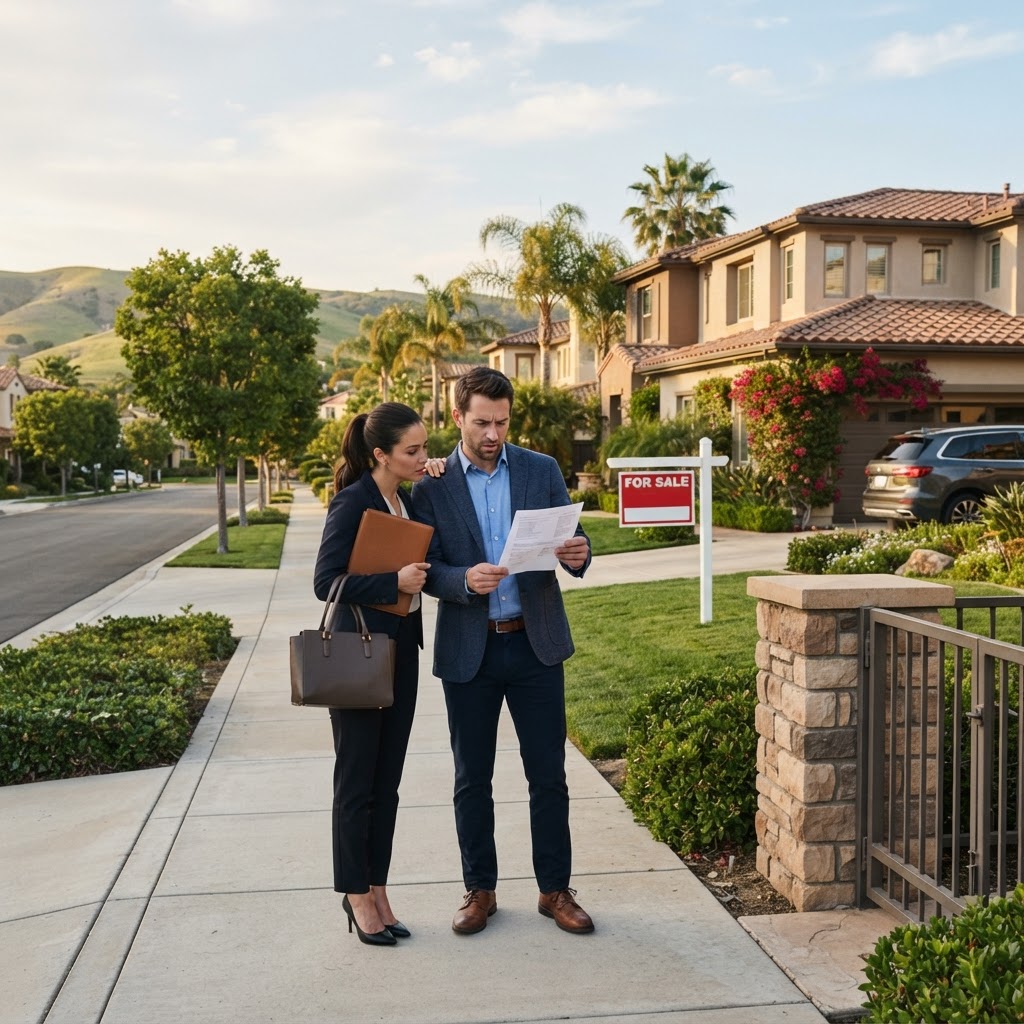
- For Buyers: The "conversion" trend is unlikely to flood the market with affordable inventory immediately. Most adaptive reuse projects target high-density, urban-core living, which often commands premium pricing rather than entry-level affordability.
- Micro-Market Awareness: As noted in recent regional reports, such as those from the Santa Clarita Valley, local market dynamics vary wildly. Buyers should look at micro-market data—such as days on market and sale-to-list ratios—rather than relying on statewide averages, which can be skewed by luxury sales in coastal enclaves.
The Path Forward
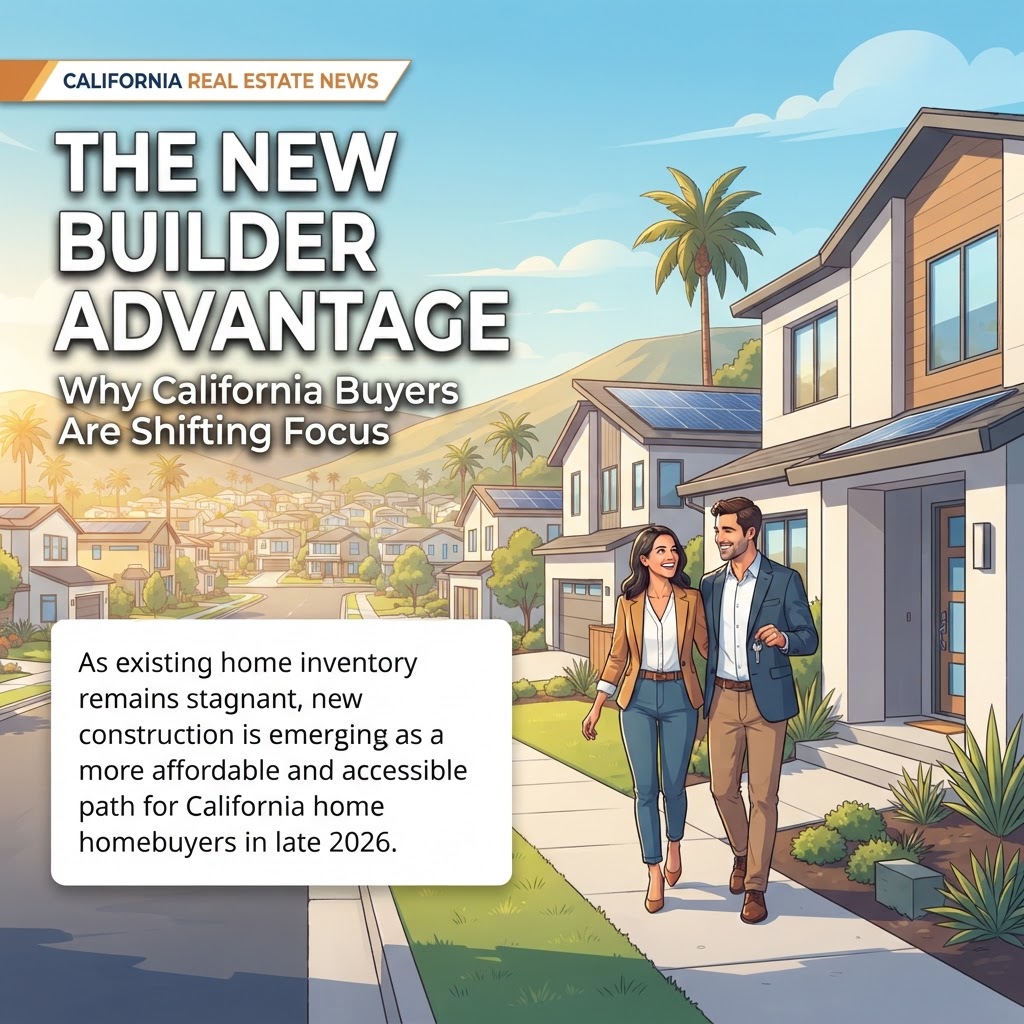
With California home price appreciation slowing to an average of just 1.9% annually since 2022, the era of rapid, speculative growth has largely ended. For the market to regain true affordability, the focus must remain on increasing supply through both new construction and the strategic repurposing of obsolete commercial assets. While adaptive reuse will not solve the housing shortage overnight, it represents a necessary evolution in how California utilizes its limited land resources in a post-pandemic economy.