Structural Integrity and Resilience: A 2026 California Buyer’s Due Diligence
In the 2026 California market, a home's value is no longer defined solely by square footage or location. As climate-related risks and seismic activity remain at the forefront of state policy, buyers must shift their due diligence focus toward structural resilience. Protecting your investment requires a deep dive into the physical and regulatory health of the property.
The Seismic Reality: Beyond the Foundation
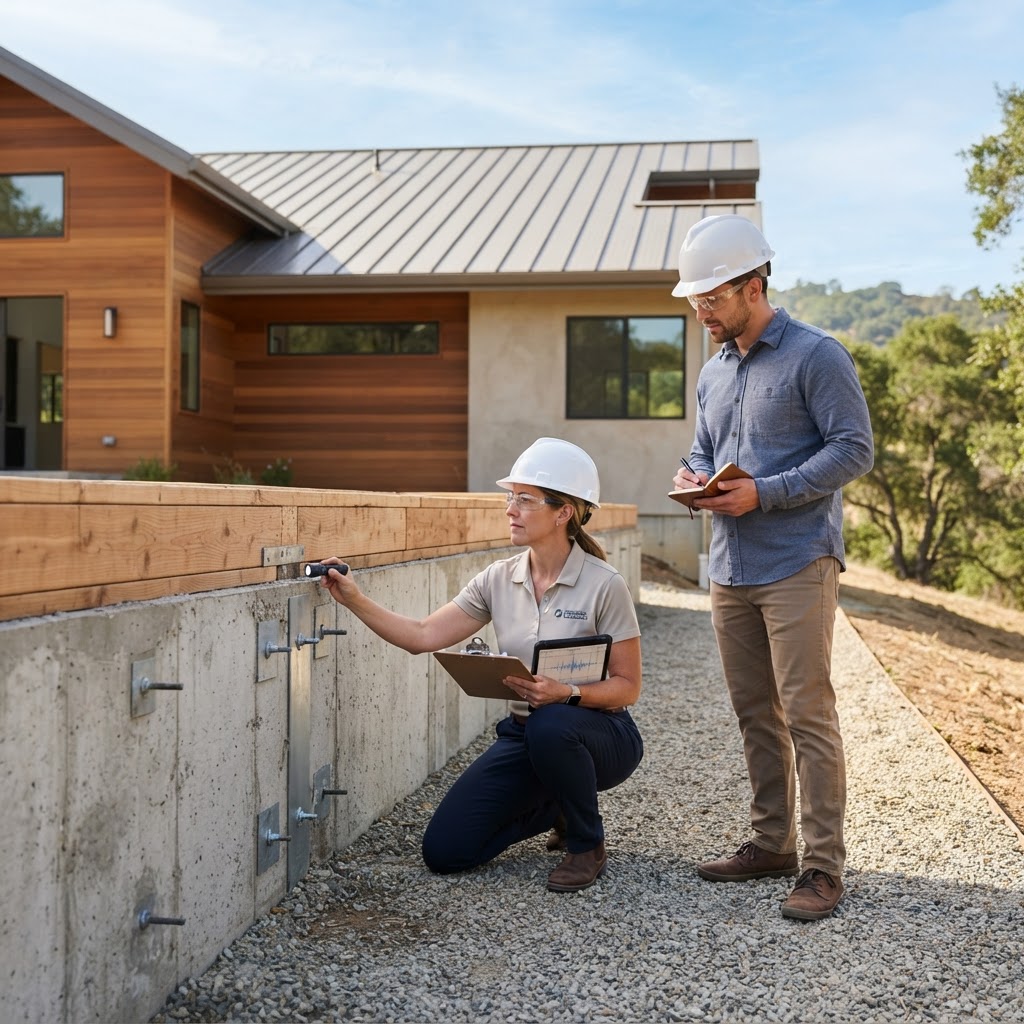
California’s seismic landscape necessitates more than a standard home inspection. Buyers should specifically investigate whether a property has undergone a seismic retrofit. Older homes, particularly those built before modern building codes, may require structural bolting and bracing to remain insurable and safe. When evaluating a property, ask for documentation regarding foundation work. If a property has not been retrofitted, factor the potential engineering and construction costs into your initial offer, as these projects can be significant capital expenditures.
Wildfire Resilience: The New Standard of Ownership
As of 2026, wildfire risk is a primary driver of insurance availability. Under AB 38, sellers in High or Very High Fire Hazard Severity Zones (FHSZ) must provide documentation regarding home hardening and defensible space compliance. Do not treat these as mere paperwork; they are indicators of your future insurability. If a property is in a high-risk zone, verify the following:
- Defensible Space: Ensure the property meets current CAL FIRE requirements for vegetation management.
- Home Hardening: Check for fire-resistant materials on roofs, vents, and siding.
- Insurance Underwriting: Before removing contingencies, confirm that the property is eligible for coverage in the admitted market. If you are forced to rely on the California FAIR Plan, understand that this is a last-resort option with limited coverage and higher premiums.
Navigating Property Tax and Special Assessments
California buyers often overlook the impact of non-value-based assessments on their monthly budget. Beyond standard property taxes, properties may be subject to PACE (Property Assessed Clean Energy) assessments, which are tied to the property tax bill. These assessments can impact your debt-to-income ratio and are often non-negotiable obligations that transfer to the new owner. Always review the preliminary title report and tax records to identify any existing special assessments that could affect your long-term financial planning.
Practical Takeaways for the 2026 Buyer
- Request the NHD Early: The Natural Hazard Disclosure (NHD) is mandatory. Review the Fire Hazard Severity Zone designation immediately upon receipt to understand your insurance landscape.
- Leverage the Disclosure Window: If a seller provides a required disclosure late in the process, California law grants you a termination window (3 days in person, 5 days by mail/electronic). Use this time to consult with a specialist if the disclosure reveals unexpected structural or hazard-related issues.
- Prioritize Resilience in Negotiations: If a home requires significant hardening or seismic work, use these findings to negotiate credits or price adjustments. These are not just cosmetic issues; they are essential for the long-term viability of your asset.


