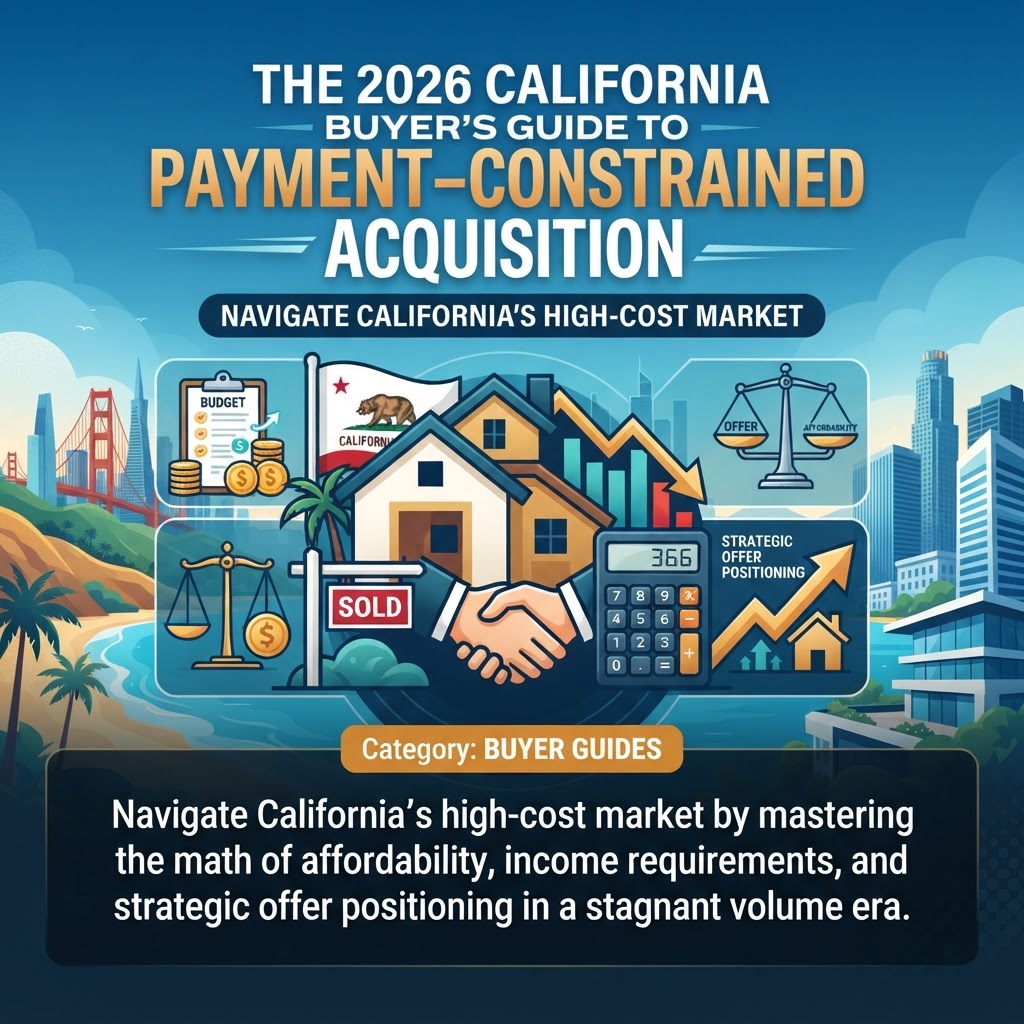
Maximizing California Home Value: A 2026 Buyer’s Guide to ADU Potential
In the 2026 California housing market, where home sales are seeing a gentle upturn, buyers must look beyond the initial purchase price to identify long-term value. With Accessory Dwelling Units (ADUs) now accounting for nearly one in five new housing units in the state, savvy buyers are increasingly prioritizing properties with development potential.
The ADU Advantage: Assessing Feasibility Before You Buy
Before committing to a purchase, it is critical to understand if a property can support an ADU. Recent advancements in technology, such as automated feasibility tools, allow buyers to input an address and instantly assess zoning constraints, setback requirements, and parking exemptions. Understanding these factors early can prevent costly project failures caused by site constraints or utility limitations.
Key Considerations for ADU Development:
- Zoning Compliance: Verify if the property is in a zone that permits detached, attached, or garage conversions.
- Infrastructure Capacity: Assess whether existing utility lines can support an additional unit without significant upgrades.
- Parking Requirements: Check for local exemptions that may waive the need for additional off-street parking, which can significantly reduce construction costs.
Navigating California-Specific Financial Realities
Beyond the physical structure, buyers must account for the unique tax and cost landscape of California. While federal estate tax exemptions are high in 2026, local property tax rules under Proposition 13 and the transfer implications of Proposition 19 remain central to long-term financial planning.
Essential Cost Factors:
- Documentary Stamp Tax: Budget for state-specific taxes, which include a documentary stamp tax of approximately $1.10 per $1,000 of the sale price.
- Insurance and Risk: Given California's geography, always verify if the property is located in a high-risk wildfire, earthquake, or flood zone, as these factors heavily influence insurance premiums and overall affordability.
- Assessed Value: Remember that California property taxes are tied to the home’s assessed value at the time of purchase, which will reset upon closing.
Practical Takeaways for the 2026 Buyer
To succeed in the current market, adopt a proactive approach to due diligence:
- Run a Feasibility Check: Use digital tools to evaluate ADU potential on any prospective property to determine if it offers future income-generating or multi-generational living capabilities.
- Analyze Market Trends: With GDP and job growth projected to slow in 2026, focus on properties in stable, high-demand areas where long-term appreciation is supported by local infrastructure.
- Consult Local Experts: Engage with brokers who understand the nuances of specific counties, as local conforming loan ceilings and municipal regulations can vary significantly across the state.
By focusing on the intersection of regulatory feasibility and long-term tax implications, buyers can move beyond the basics and secure a property that provides both immediate utility and future financial resilience.