The Multifamily Pivot: California's Housing Supply Shift Amid High Rates
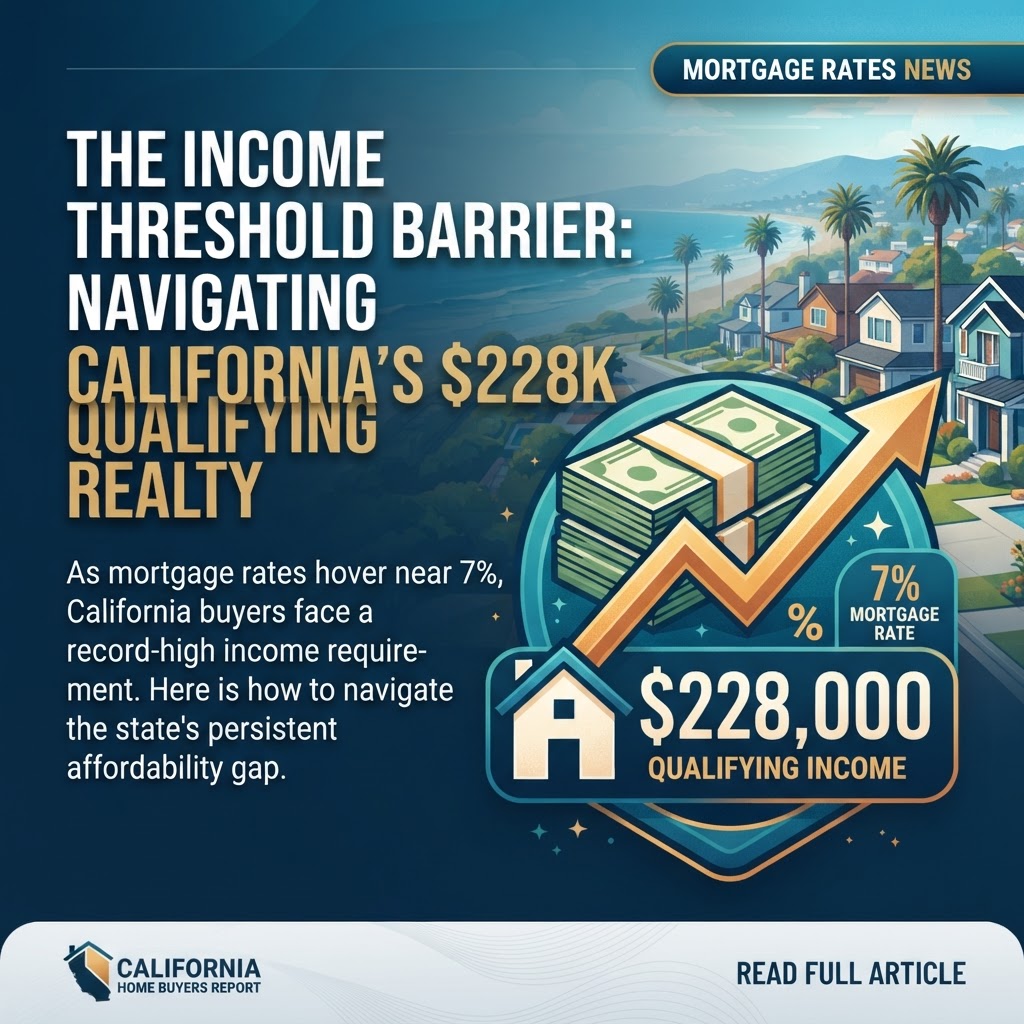
As of October 2026, the California residential real estate landscape is defined by a persistent high-interest-rate environment. With 30-year fixed mortgage rates recently climbing toward 7.49% [7], the traditional single-family home purchase market faces significant headwinds. However, a critical divergence is emerging in the state's housing supply: while individual buyers grapple with borrowing costs, the development sector is aggressively pivoting toward density.
A Surge in Multifamily Development
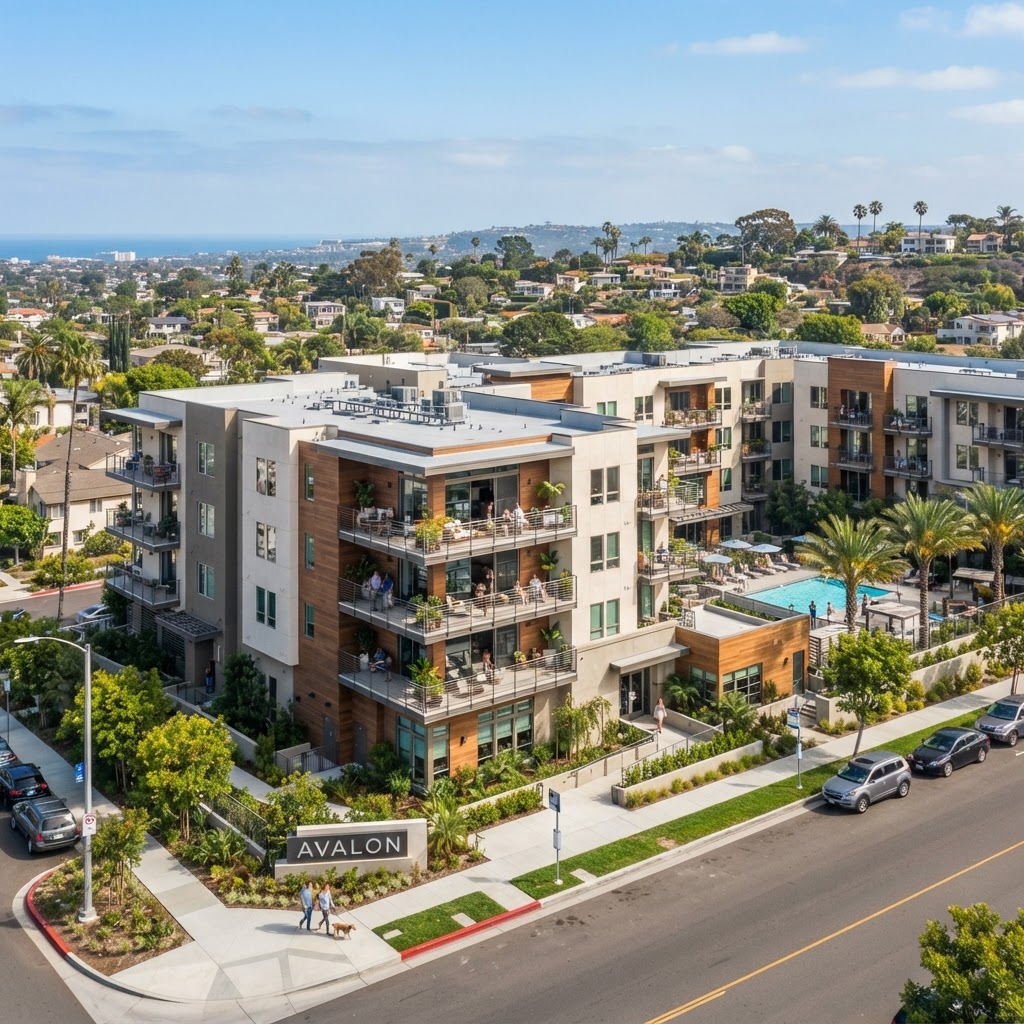
Recent data reveals a striking trend in California's construction sector. In the first eight months of 2026, permits for 36,600 multifamily housing units were granted statewide, representing a 33% increase compared to the previous year [10]. This shift suggests that developers are betting on rental demand as high mortgage rates continue to sideline potential first-time homebuyers who are priced out of the single-family market.
The Macroeconomic Pressure Cooker
The current rate environment is heavily influenced by the 10-year Treasury yield, which has recently touched 5.34%—a 24-year high [5]. Because mortgage lenders adjust their offerings based on these yields and the performance of mortgage-backed securities [8], California borrowers are effectively paying a premium for the current global economic volatility. With the Federal Reserve maintaining a "higher for longer" stance on interest rates [6], the cost of capital for residential projects remains elevated, forcing developers to prioritize projects that offer higher density and more predictable cash flows.
Practical Takeaways for California Stakeholders
- For Prospective Buyers: Do not attempt to time the market based on interest rate predictions. With rates fluctuating near 7.5%, focus on your long-term budget rather than waiting for a specific rate drop, which remains unpredictable [4].
- For Investors: The 33% jump in multifamily permits indicates a growing supply of rental units. Investors should monitor local sub-markets where this new inventory is coming online, as it may impact rental yield projections in the coming 18 to 24 months.
- For Sellers: High rates have reduced the pool of qualified buyers. If you are looking to sell, emphasize the unique value of your property, as the "inventory paradox"—where high rates keep existing homeowners from selling—continues to limit overall market liquidity.
As California navigates this high-rate cycle, the shift toward multifamily development may provide the necessary relief for the state's chronic housing shortage, even as the path to single-family homeownership remains challenging for many.