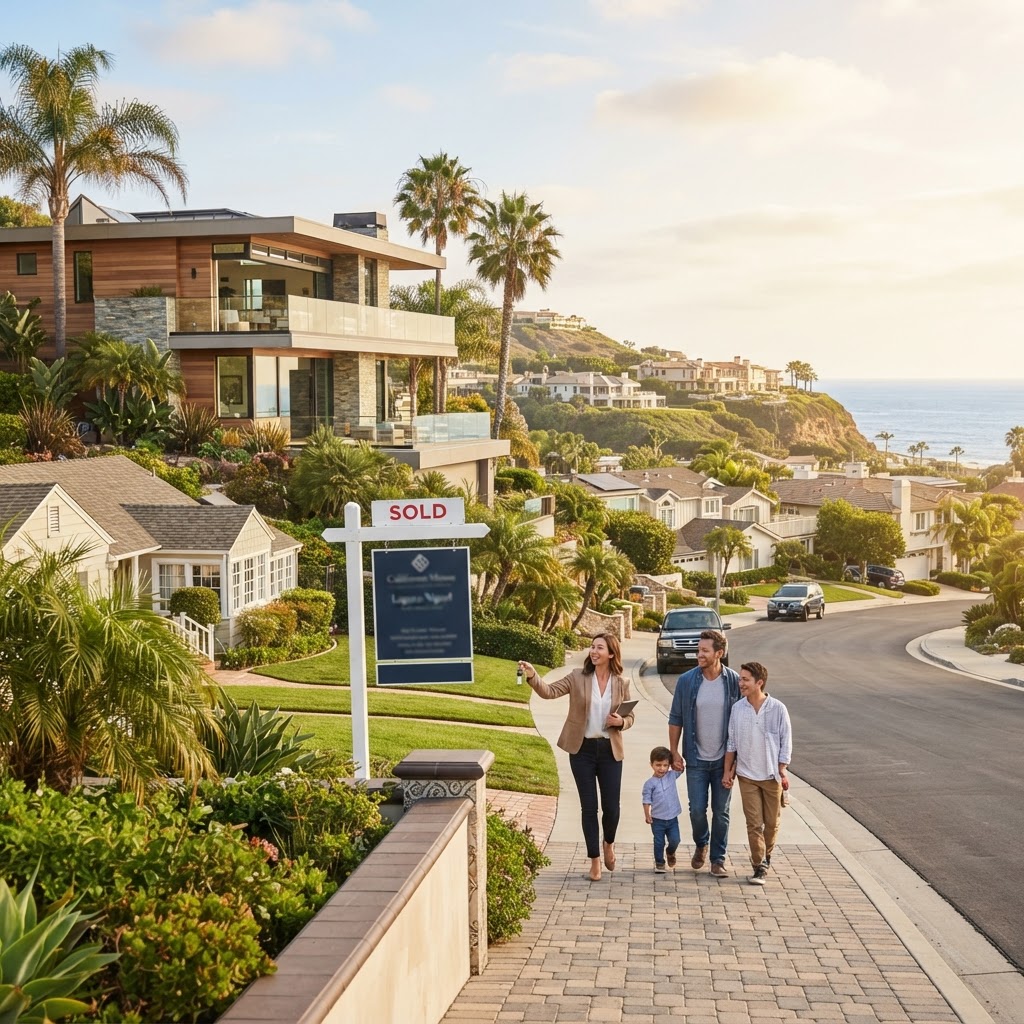
The Unlocking Effect: How Mortgage Rate Normalization is Reshaping California
For the past two years, California’s real estate market has been defined by the 'lock-in effect,' where homeowners with sub-3% mortgage rates were effectively tethered to their properties. However, as of late 2026, the market is entering a new phase of liquidity. With mortgage rates hovering near the 6.4% mark and projections suggesting further stabilization, the 'golden handcuffs' are beginning to rust, creating a ripple effect across the state’s housing landscape.
The Inventory Inflection Point
The primary driver of this shift is the narrowing gap between existing mortgage rates and current market offerings. According to recent data, nearly 20% of all outstanding mortgages in California now carry rates above 6%, meaning a significant portion of the population is no longer financially penalized for moving. This has led to a measurable increase in inventory, particularly in the mid-priced segment, which had been stagnant for much of 2025.
Market Divergence: Entry-Level vs. Luxury
While the overall market is seeing a rebound in sales—with California posting its strongest year-over-year increase since late 2025—the activity is not uniform. Data from the California Association of REALTORS indicates that the current sales momentum is heavily concentrated in entry-level and mid-priced homes. Conversely, the luxury sector remains more sensitive to broader economic volatility, leading to a bifurcated market where first-time buyers are finding more opportunities than they have in years, while high-end sellers face longer days on market.
Practical Takeaways for 2026
- For Buyers: The market is moving toward a more balanced state. While affordability remains a challenge—with only about 18% of households able to afford a median-priced home—the increased inventory in inland regions like Sacramento provides more room for negotiation than in coastal hubs like San Diego or Los Angeles.
- For Sellers: The 'wait-and-see' approach is becoming less viable as inventory levels rise. Sellers who have been waiting for the 'perfect' rate to move may find that the current 6% range is the new baseline for the foreseeable future. Pricing your home based on recent comparable sales rather than peak-market aspirations is critical to securing a buyer in this environment.
- For Investors: Focus on the 'middle-market' segment. With the strongest sales growth occurring in the entry-level and mid-priced tiers, properties that cater to this demographic offer the highest liquidity and the most consistent demand as mortgage rates continue to normalize.
Looking Ahead
As we move into the final quarter of 2026, the California market is shedding its 'frozen' status. While we are unlikely to return to the hyper-competitive conditions of the early 2020s, the thawing of the lock-in effect is providing a necessary release valve for the state’s housing supply. Investors and homeowners alike should prepare for a market defined by moderate growth and increased transaction velocity, rather than the extreme price swings of the recent past.