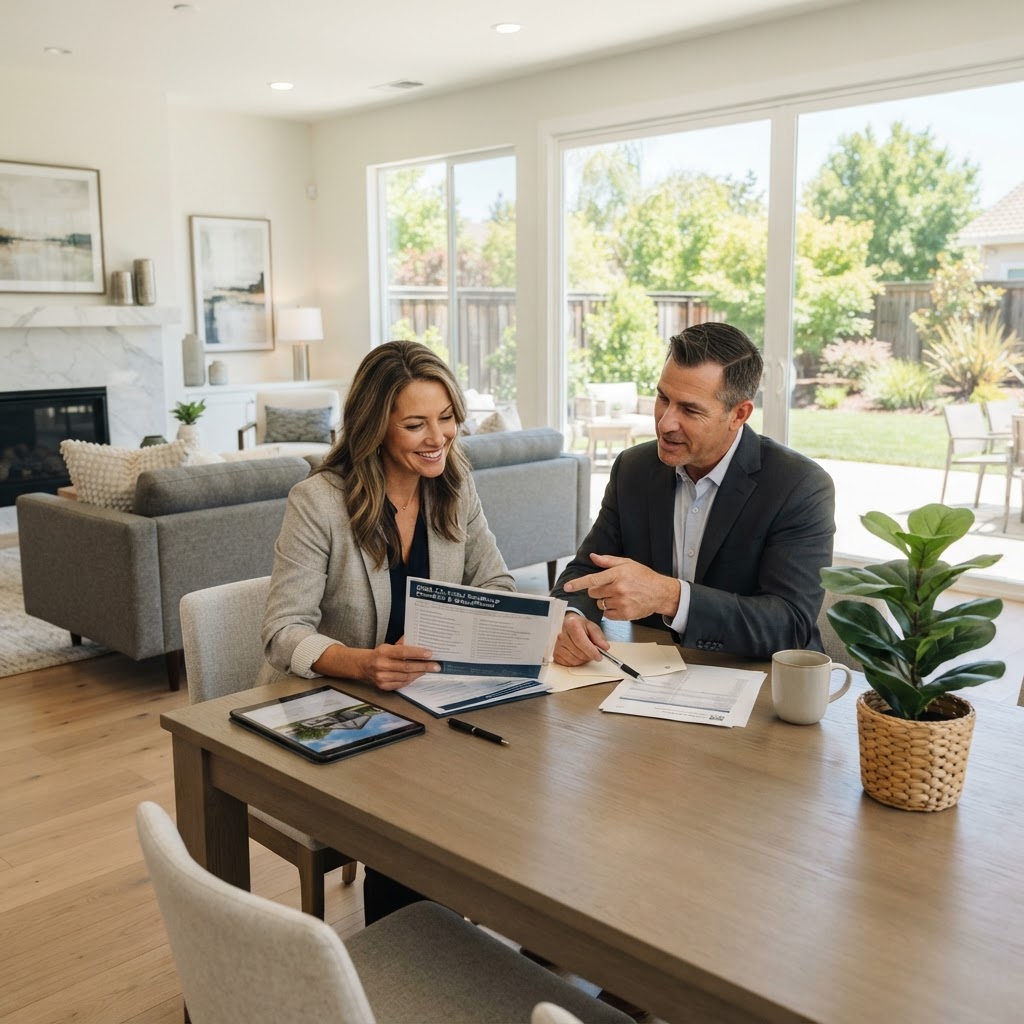
The 2026 California Seller’s Roadmap: Precision Preparation and Compliance
As California’s real estate market shifts toward a more balanced environment in 2026, the "seller’s market" advantage is no longer guaranteed by inventory scarcity alone. With only 18% of households able to afford a median-priced home, sellers must pivot from passive listing strategies to active, precision-based preparation to capture the attention of a highly selective buyer pool.
1. The Economics of Presentation
In a market where affordability is a primary constraint, buyers are increasingly sensitive to "move-in ready" conditions. Data from the 2025 Profile of Home Staging indicates that 83% of buyers' agents report staging makes it easier for clients to visualize a property as their future home. Furthermore, staged properties can attract 50% more offers and sell for up to 10% more than un-staged counterparts. For a $2 million home, this represents a potential premium of $20,000 to $100,000, far outweighing the 1-2% investment typically required for preparation.
2. Navigating the 2026 Regulatory Landscape
California’s legislative environment continues to prioritize transparency and consumer protection. Sellers must be hyper-vigilant regarding disclosure requirements. Beyond the standard Transfer Disclosure Statement, sellers should consult with local experts to ensure compliance with the latest 2026 real estate laws. Failure to adhere to these updates can lead to significant legal liability and transaction delays. Additionally, homeowners aged 55+ should investigate the specific benefits of Propositions 19, 60, and 90, which may offer substantial property tax relief when downsizing or relocating within the state.
3. Regional Market Nuance
California is not a monolith. While urban centers may maintain higher demand, regional variations dictate that pricing strategies must be hyper-local. Sellers should analyze recent comparable sales within their specific zip code rather than relying on statewide averages. In a balanced market, overpricing a home can lead to extended days on market, which often results in a lower final sale price as the listing loses its "fresh" appeal.
4. Practical Takeaways for Sellers
- Invest in Staging: Allocate 4-6 weeks for the preparation process, including decluttering, deep cleaning, and professional staging to maximize perceived value.
- Prioritize Energy Efficiency: Highlight any energy-efficient upgrades. With state-backed programs, buyers are increasingly prioritizing homes with lower long-term utility costs.
- Establish a Bottom Line: Before entering negotiations, define your absolute minimum acceptable price. This prevents emotional decision-making during the counteroffer phase.
- Audit Disclosures Early: Work with your agent to complete all mandatory disclosures well before listing to avoid last-minute surprises that could derail escrow.
By focusing on these tactical pillars—staging, regulatory compliance, and regional pricing—California sellers can successfully navigate the 2026 landscape, ensuring their property stands out in a more discerning and competitive buyer market.