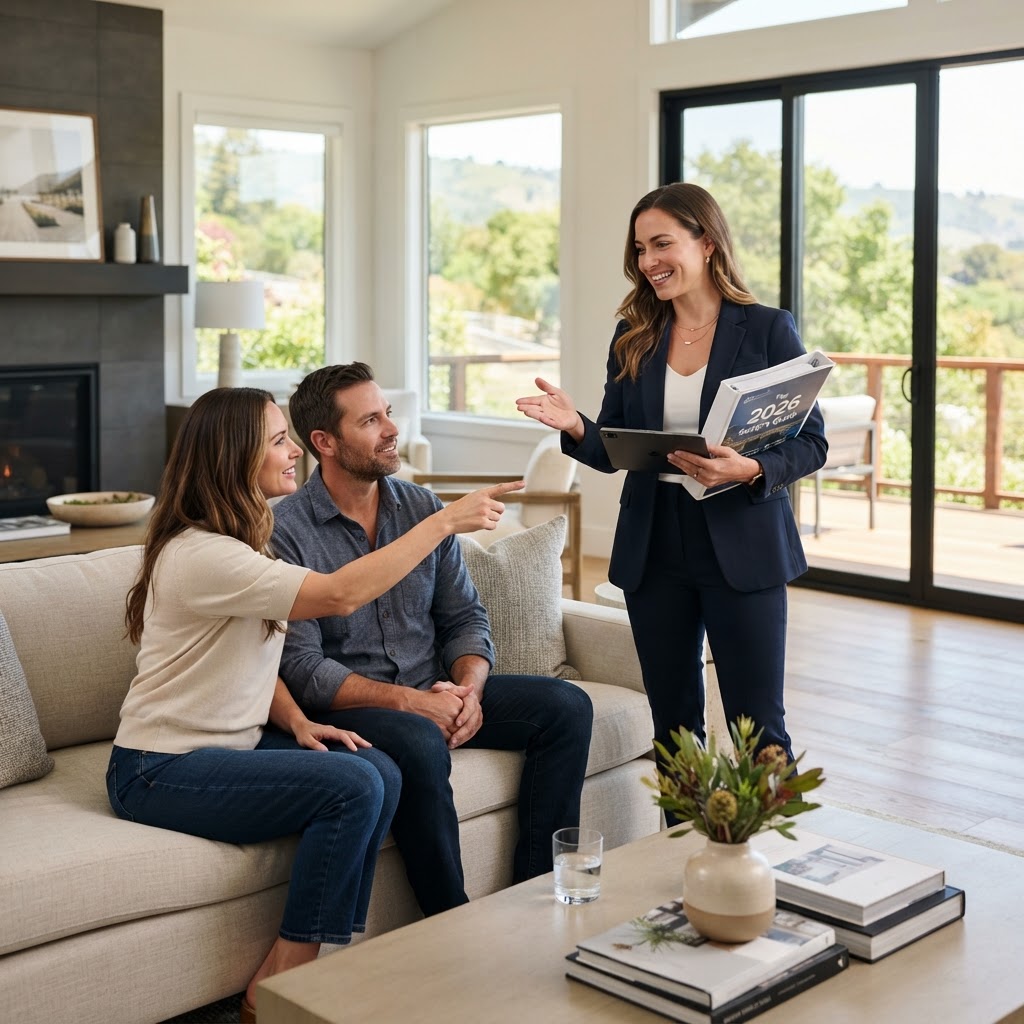
The 2026 California Seller’s Guide: Navigating the Affordability Ceiling
As of late 2026, the California housing market has shifted from the frenzied pace of previous years into a more complex environment defined by an 'affordability ceiling.' With statewide median home prices hovering near $900,000 and mortgage rates fluctuating, sellers must move beyond traditional listing tactics to succeed.
Understanding the 2026 Market Reality
The current market is not defined by a collapse in value, but by the math of monthly payments. With affordability for the median-priced home standing at approximately 18%, the pool of qualified buyers is highly sensitive to interest rates and total cost of ownership. Sellers who treat statewide medians as 'investable truth' often fail to capture their local micro-market's potential. In September 2026, California is characterized as a balanced market where supply and demand are closely aligned, with homes selling in a median of 53 days.
Strategic Preparation for the Affordability-Conscious Buyer
Because buyers are constrained by high monthly payments, your preparation should focus on reducing their perceived risk and future maintenance costs:
- Energy Efficiency as a Value Driver: In California’s climate, energy-saving features are no longer just 'nice-to-haves.' Highlighting solar readiness, modern insulation, or energy-efficient appliances can directly address buyer concerns regarding long-term utility costs.
- The 'Fix-First' Assessment: Before listing, prioritize repairs that prevent inspection hurdles. Leaky faucets, outdated electrical fixtures, and minor cosmetic damage can lead to price concessions that far exceed the cost of the repair itself.
- Strategic Staging: If the home is vacant, utilize virtual staging to help buyers visualize the utility of the space. For occupied homes, decluttering remains the highest-ROI activity, as it creates the illusion of more square footage—a critical factor in high-cost-per-square-foot regions.
Maximizing Value in a Balanced Market
To maximize your sale price, consider these three tactical approaches:
1. The Hybrid Equity Strategy
For sellers who need to improve their home's condition but lack immediate liquidity, consider partner-funded renovations or bridge financing. This allows you to complete high-impact upgrades—such as kitchen refreshes or flooring updates—and settle the costs from the final sale proceeds.
2. Curb Appeal as a First Impression
In Southern California and beyond, outdoor living is a primary selling point. Simple enhancements like fresh landscaping, polished door hardware, and a clean entryway set the tone for the entire showing. A well-maintained exterior signals to buyers that the home has been cared for, which can reduce their anxiety during the inspection phase.
3. Pricing for the 'Payment Math'
Avoid the temptation to overprice based on historical peaks. Work with your agent to analyze recent closed sales within a half-mile radius rather than relying on broad regional data. In a balanced market, pricing your home at or slightly below market value can trigger competitive interest, whereas overpricing often leads to extended days on market and eventual price cuts that signal 'stale' inventory to buyers.
Practical Takeaways for Sellers
- Focus on the Monthly Payment: Understand that your buyer is likely calculating their monthly mortgage payment first and the total purchase price second.
- Prioritize Inspections: Be proactive about disclosures and repairs to avoid the 're-negotiation' trap during escrow.
- Leverage Local Data: Ignore national headlines. Focus on the specific inventory levels and days-on-market metrics for your specific city or neighborhood.


