Oakland’s Santa Fe: A Blueprint for Walkable Urban Living in 2026
As California’s housing market navigates a landscape defined by high interest rates and constrained supply, buyers are increasingly prioritizing neighborhoods that offer more than just square footage. In Oakland, the Santa Fe neighborhood has emerged as a standout for those seeking a 'walker’s paradise' that balances historic character with the practical demands of modern, car-lite living.
The Appeal of Car-Lite Connectivity
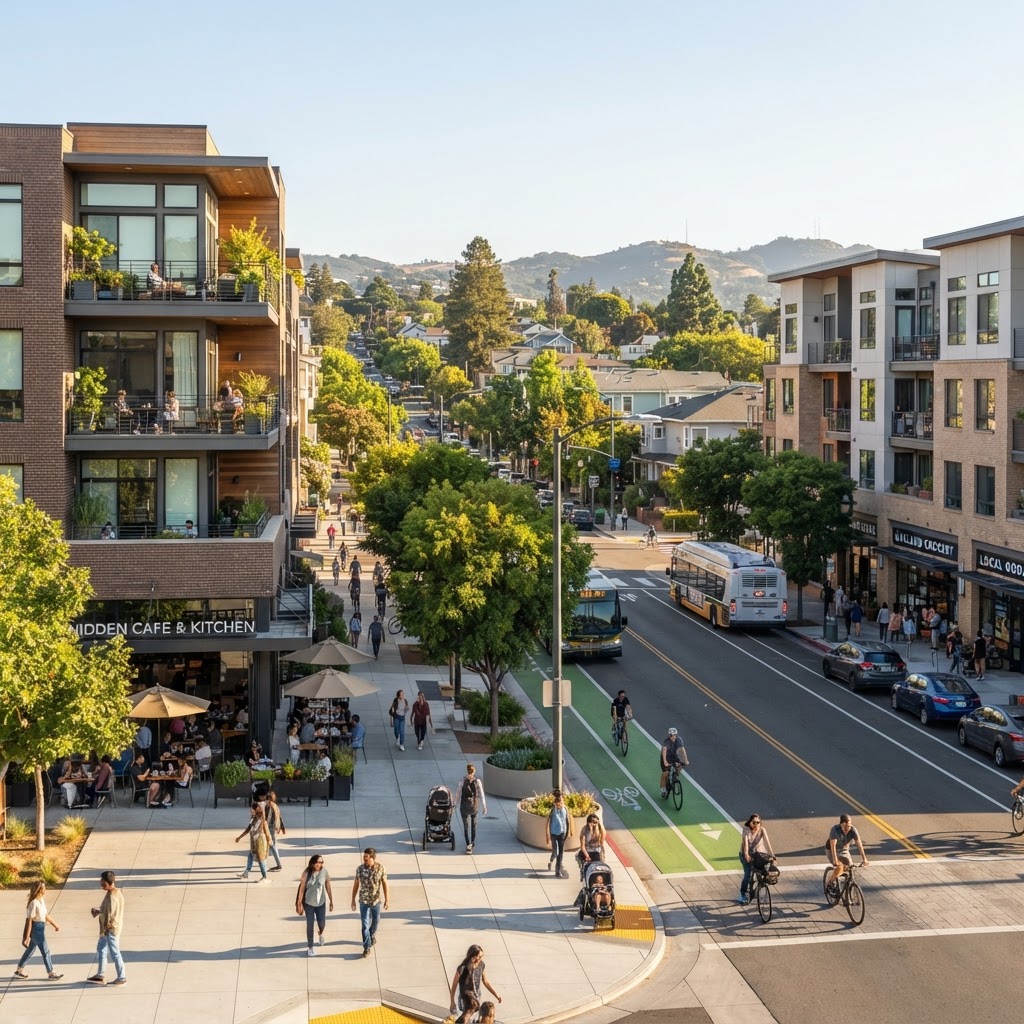
While much of the California market remains tethered to the necessity of a vehicle, Santa Fe offers a distinct alternative. Located in North Oakland, the neighborhood is frequently cited for its high walkability scores, allowing residents to access local amenities, transit hubs, and community spaces without relying on a car for every errand. This lifestyle is increasingly attractive as buyers look to mitigate the costs associated with vehicle ownership and long commutes in the Bay Area.
Architectural Depth and Community Character
Santa Fe is defined by its architectural diversity, featuring a mix of classic California bungalows that provide a sense of historic permanence. Unlike the sprawling master-planned communities seen elsewhere in the state, Santa Fe’s grid-based layout fosters a dense, interconnected community feel. The area serves as a bridge between the industrial-creative energy of nearby Temescal and the residential quietude of North Oakland, making it a versatile choice for a wide demographic of residents.
Market Context and Practical Takeaways
For those considering a move to Santa Fe, it is essential to understand the broader economic environment. With California’s statewide median home price hovering near $900,000 and mortgage rates remaining elevated, the 'value' of a neighborhood is increasingly tied to its long-term utility.
- For Buyers: Santa Fe offers a unique opportunity to invest in a high-demand, walkable corridor. Given the scarcity of inventory in Oakland, buyers should be prepared for competitive bidding, though the neighborhood’s specific appeal to car-lite commuters provides a hedge against future market volatility.
- For Investors: The demand for transit-oriented, walkable housing continues to outpace supply in the Bay Area. Properties in Santa Fe that offer proximity to public transit corridors are likely to maintain higher rental demand and lower vacancy rates compared to more isolated suburban pockets.
- Strategic Planning: Prospective residents should stress-test their budgets against current 7% mortgage rate environments. While the neighborhood offers significant lifestyle benefits, the financial commitment requires a clear-eyed assessment of total cost-of-ownership, including property taxes and maintenance on older housing stock.
Conclusion
Santa Fe represents a shift in how Californians are choosing to live in 2026. By prioritizing walkability and community connectivity over sheer size, the neighborhood provides a sustainable model for urban living. As the state continues to grapple with restrictive zoning and supply challenges, areas like Santa Fe that maximize existing infrastructure will likely remain the most resilient segments of the residential market.