The Adaptive Pivot: California’s Office-to-Residential Conversion Wave
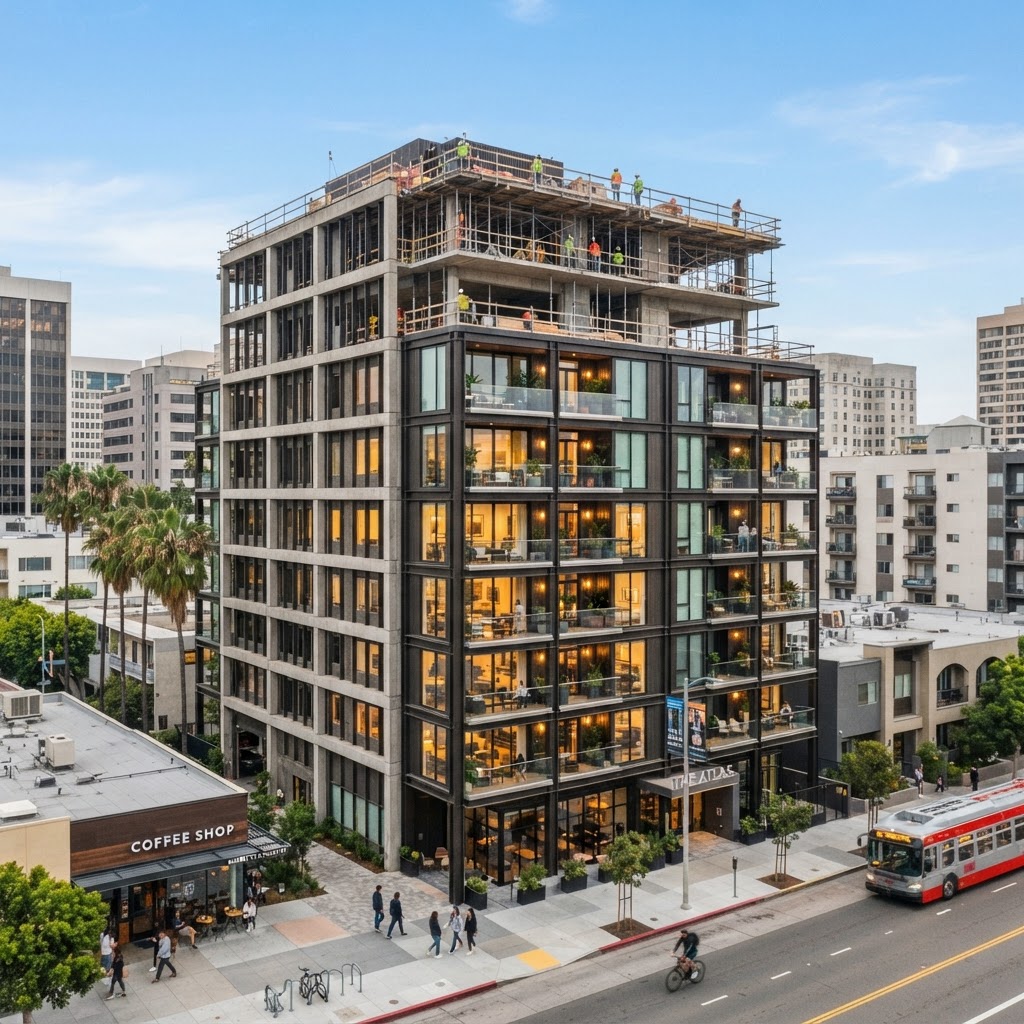
As of September 2026, the California real estate landscape is undergoing a structural transformation. While much of the market focus has remained on new construction and inventory constraints, a quiet revolution is taking hold in the state’s urban cores: the adaptive reuse of underutilized commercial office space into residential units.
The Economic Drivers of Conversion
With rental vacancy rates showing signs of fluctuation across the state, property owners are facing a "new normal" in commercial real estate. According to recent data, the shift in residential vacancy rates is prompting a strategic pivot. Developers are finding that converting existing structures is often more cost-effective than demolition and new construction, particularly when factoring in the reduced carbon impact and the ability to leverage municipal incentives for historic or underutilized buildings.
Regulatory Tailwinds
California has significantly lowered the barriers to entry for these projects. Legislation such as the Middle Class Housing Act of 2022 (SB 6) has been instrumental, allowing for residential or mixed-use development on commercial properties where office, retail, or parking were previously the only permitted uses. Cities like San Diego have proactively updated their Land Development Codes to identify specific zones—including RM, CN, and various commercial districts—where multi-dwelling unit conversions are now streamlined.
Practical Takeaways for Stakeholders
- For Investors: Focus on "Adaptive Reuse" zones. Municipalities are increasingly offering expedited approval processes for projects that repurpose existing footprints, minimizing the time-to-market compared to ground-up developments.
- For Property Owners: Evaluate your current commercial assets against local zoning maps. If your property falls within a designated "Permitted Use" zone for multi-family housing, the cost-benefit analysis of conversion may now be more favorable than maintaining traditional office leases.
- For Developers: Leverage the "green" angle. Beyond the financial incentives, adaptive reuse projects are increasingly viewed favorably by local planning commissions due to their lower environmental impact, which can serve as a powerful tool in navigating local community sentiment.
As the market continues to evolve, the ability to repurpose space will likely define the next generation of California real estate success. By aligning with current legislative support and shifting urban needs, stakeholders can turn the challenge of commercial vacancy into a residential opportunity.