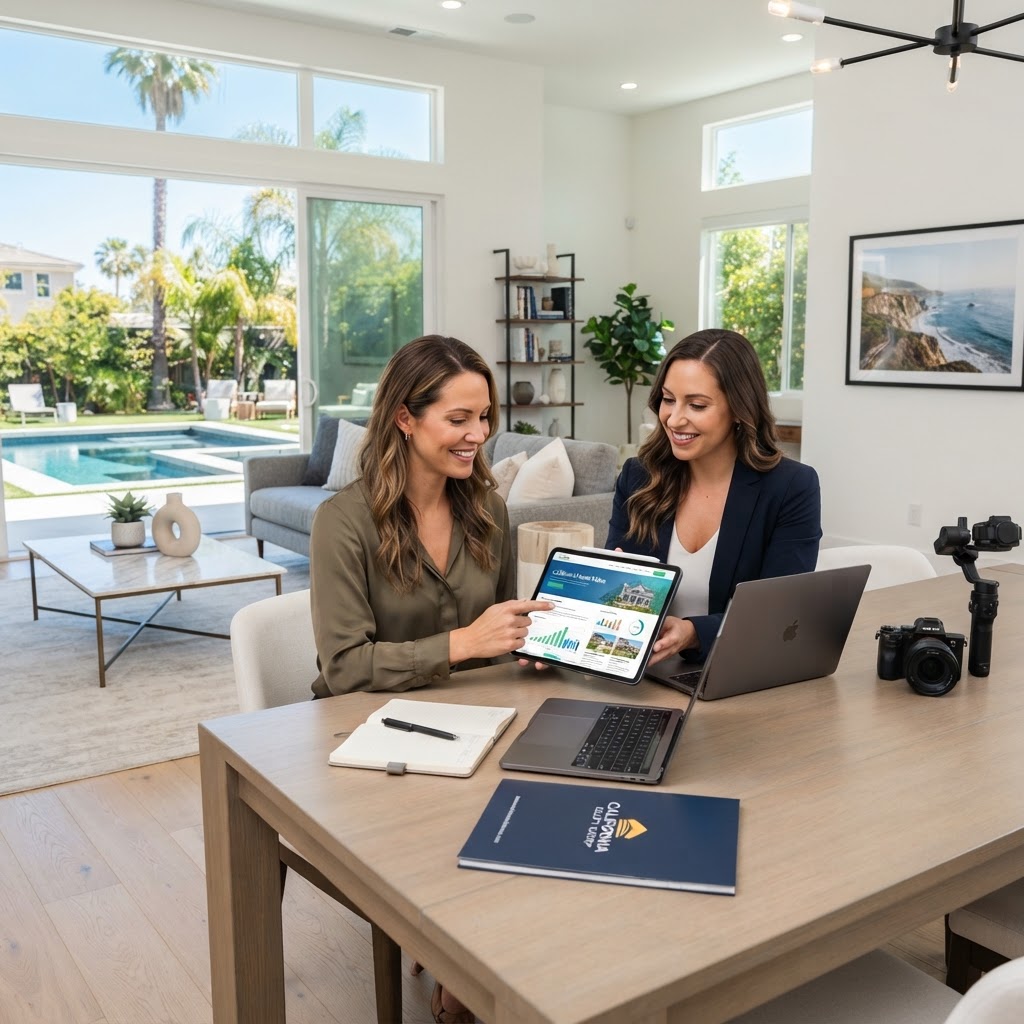
Maximizing California Home Value: The 2026 Seller’s Digital-First Strategy
In the 2026 California housing market, where mortgage rates remain above 6% and buyer expectations are increasingly sophisticated, the traditional 'list and wait' approach is no longer sufficient. With the typical seller having owned their home for a record 11 years, many are sitting on significant equity but facing a market that demands higher transparency and clearer value propositions.
The Digital Presentation Imperative
Buyers today are less tolerant of ambiguity. They are conducting their initial property vetting online, making the digital footprint of your home the most critical factor in your sales strategy. While physical staging has long been the gold standard, virtual staging has evolved into a powerful, non-invasive tool for sellers. Unlike physical staging, which requires significant effort and cost, virtual staging allows you to showcase a property's potential without the logistical burden of moving furniture. Whether through 3D virtual furniture placement or virtual renovation visualizations, these tools help buyers imagine themselves in the space, which is essential for homes that may feel dated after a decade of ownership.
Transparency as a Competitive Advantage
In California, the Real Estate Transfer Disclosure Statement (TDS) is a mandatory requirement for 1-to-4 unit residential properties. However, in 2026, savvy sellers are going beyond the minimum requirements. By proactively providing comprehensive property history, maintenance records, and clear documentation of any upgrades, you reduce the 'ambiguity tax' that buyers often apply to properties with incomplete information. Providing this level of transparency builds immediate trust and can prevent the renegotiations that often occur during the inspection phase.
Practical Takeaways for 2026 Sellers
- Leverage AI-Driven Visualization: Use AI-based staging tools to highlight the potential of underutilized rooms or to modernize the aesthetic of older homes. This is particularly effective for vacant properties or those with outdated decor.
- Audit Your Disclosure Package Early: Do not wait for an offer to compile your disclosures. A pre-market audit of your property’s legal and physical status allows you to address potential red flags before they become deal-breakers.
- Focus on 'Warm' Market Positioning: With Zillow and other analysts projecting a warmer market with modest value growth, avoid comparing your home's performance to the hyper-speed years of the past. Price your home based on current, localized MLS data rather than historical peaks.
- Prioritize High-Impact Digital Assets: Invest in professional photography and virtual tours. In a market where buyers are scrolling through listings, the quality of your digital presentation is the primary driver of foot traffic to your property.
By combining high-quality digital presentation with a proactive, transparent approach to disclosures, California sellers can effectively navigate the current market's complexities and secure the best possible outcome for their property sale.