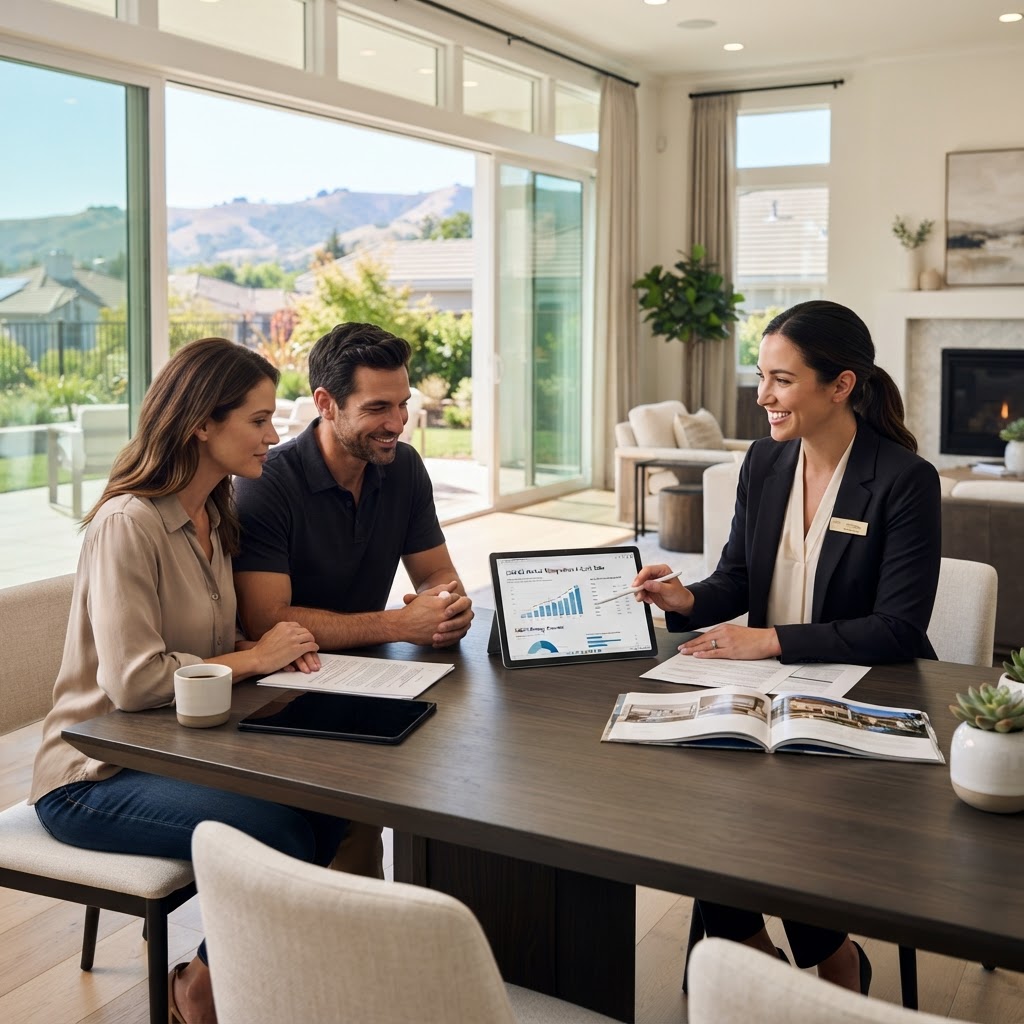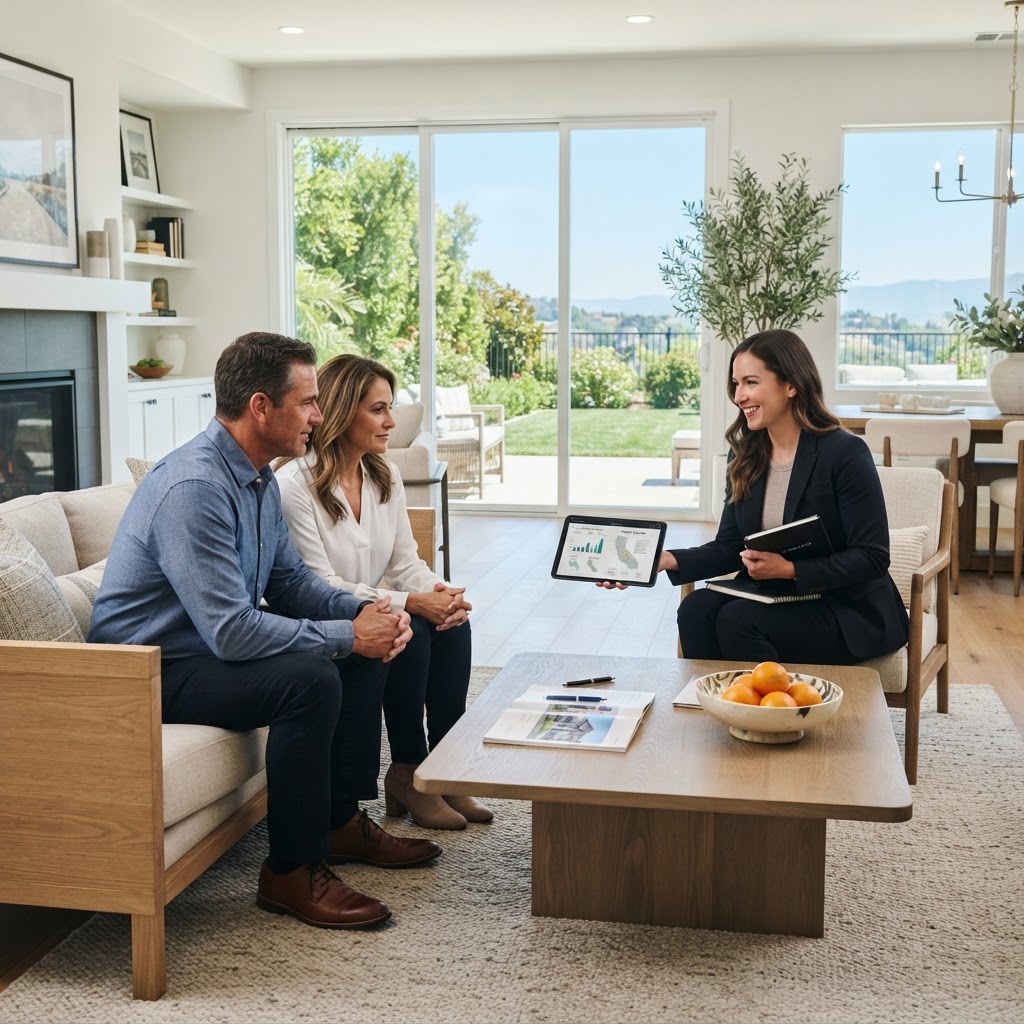
The 2026 California Seller’s Playbook: Adapting to a Balanced Market
As of mid-2026, the California housing market is undergoing a significant transition. With active listings up 18% year-over-year and months of supply reaching 3.4 months—the highest level since late 2019—the era of the hyper-competitive, no-questions-asked seller’s market is evolving into a more balanced environment [7]. For homeowners looking to sell, this shift requires a move away from passive listing strategies toward active, data-backed preparation.
Understanding the New Buyer Expectations
With more inventory available, buyers in 2026 have increased leverage. They are no longer willing to overlook deferred maintenance or structural concerns that were frequently ignored during the peak years. According to industry experts, buyers now expect homes to be 'up to snuff,' with functional HVAC systems and sound roofs being baseline requirements rather than negotiable bonuses [4].
The Pre-Listing Inspection Advantage
In a balanced market, transparency is a competitive edge. Commissioning a pre-listing inspection allows you to identify and address potential deal-breakers before they appear on a buyer’s report [4]. While California sellers are not contractually obligated to perform repairs, refusing to address significant findings often leads to buyer termination or demands for price concessions that can derail a closing [6].
Strategic Pricing in a Shifting Landscape
Statewide median home prices have hovered around $914,810 in 2026 [7]. However, because California is a collection of micro-markets, relying on statewide averages is a tactical error. Sellers must analyze local absorption rates rather than just recent comparable sales. If your local inventory is rising, pricing your home at the top of the market without significant value-add features may lead to extended days on market, which can stigmatize a property.
Maximizing Value Through Presentation
In a market where only 18% of California households can afford a median-priced home [7], your property must appeal to the widest possible buyer pool. Practical steps to maximize value include:
- Neutralization: Staging should create a blank canvas. Remove personal items and dated decor to allow buyers to envision their own lives in the space [6].
- Curb Appeal: First impressions remain the most critical factor in driving foot traffic to open houses [5].
- Virtual Staging: For vacant properties, high-quality virtual staging can be a cost-effective alternative to traditional furniture rental, helping to define room utility in listing photos [5].
Practical Takeaways for 2026 Sellers
- Assess Your Timeline: If you are not under pressure to move, focus on the 'sweet spot' of the market. While March to June is historically the peak, a well-priced home can sell year-round with the right marketing strategy [10].
- Negotiation Readiness: Prepare for a more rigorous negotiation process. Your agent should be skilled in navigating inspection contingencies, which are becoming more common as buyers regain confidence [4].
- Financial Planning: Factor in the costs of potential repairs and the standard commission structures, which can range from 5% to 6% for full-service representation [5].
By shifting your mindset from 'passive seller' to 'active market participant,' you can successfully navigate the 2026 landscape, ensuring your property stands out even as inventory levels continue to rise.