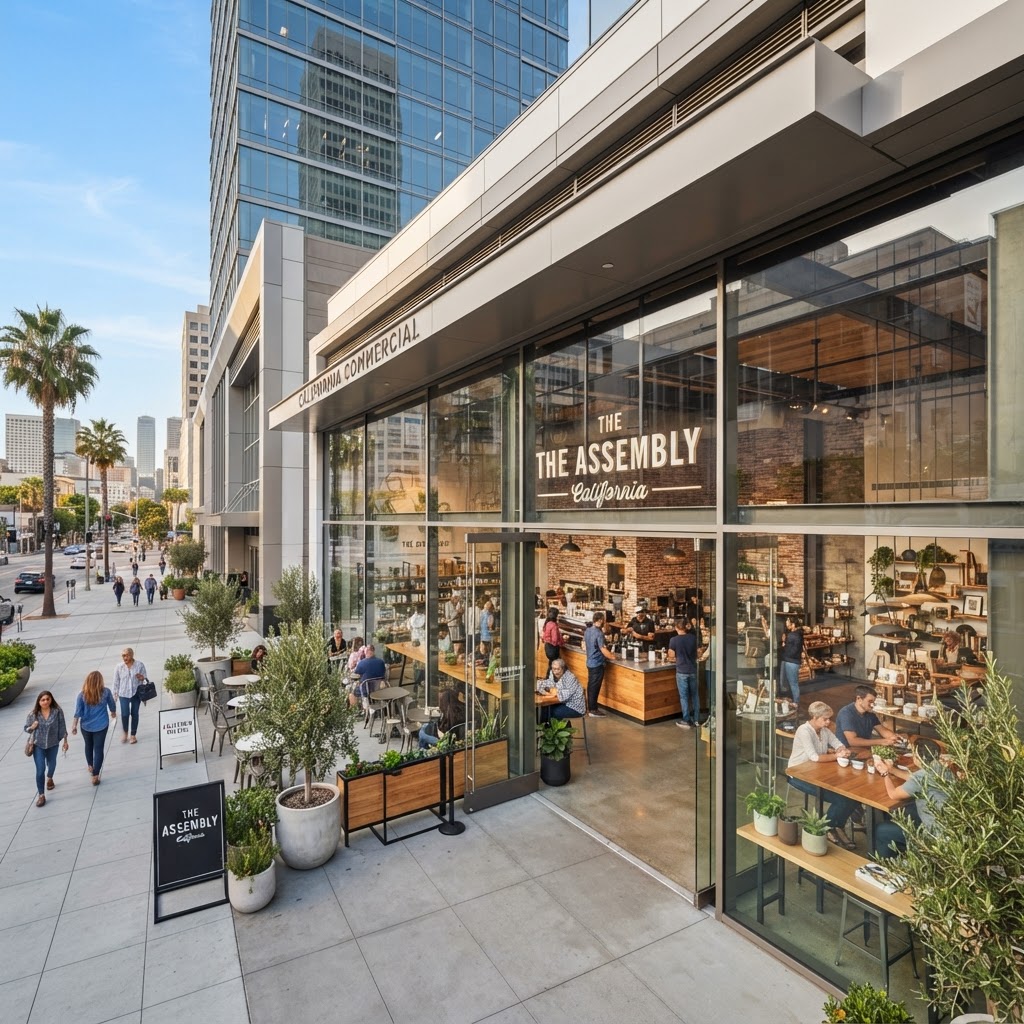
The Office-to-Retail Rebound: California’s Commercial Real Estate Pivot
While the residential sector grapples with affordability and inventory constraints, California’s commercial real estate (CRE) landscape is undergoing a quiet but significant transformation. As of September 2026, the market is moving away from the 'wait-and-see' approach that defined the early year, favoring strategic asset repositioning and high-yield retail acquisitions.
The Office Valuation Reset
The recent $121.5 million sale of 400 Castro Street in Mountain View highlights a critical trend: institutional investors are still active, but they are prioritizing assets with long-term, credit-worthy tenants and prime transit connectivity. At $876 per square foot, the transaction underscores that while the broader office market faces headwinds, Class A properties in tech-centric hubs remain a cornerstone of portfolio stability.
Retail as the New Defensive Play
Investors are increasingly pivoting toward retail centers that offer experiential value and essential services. Recent activity, such as the $11.7 million sale of Lumberjack Square in Bakersfield, signals a growing appetite for retail assets that serve local suburban populations. Unlike the volatile office sector, these retail hubs benefit from consistent foot traffic and are less susceptible to the remote-work shifts that have plagued downtown commercial districts.
Practical Takeaways for Investors
- Focus on 'Essential' Retail: Look for properties anchored by grocery, medical, or service-oriented tenants. These assets have shown higher resilience to economic fluctuations compared to discretionary retail or speculative office space.
- Prioritize Transit-Oriented Development (TOD): As seen in Mountain View, proximity to Caltrain and major highway arteries remains the primary driver of value retention for commercial assets.
- Monitor Cap Rate Compression: With interest rates hovering in the 6.65–6.75% range, investors should focus on properties where value-add opportunities—such as modernizing amenities or optimizing tenant mix—can offset the higher cost of capital.
For those looking to enter the California market, the current environment rewards those who look beyond the headlines of 'falling prices' and instead focus on the micro-trends of regional demand. Whether it is the strength of Orange County markets like Irvine or the steady growth in the Central Valley, the California CRE market is proving that it is not a monolith, but a collection of highly localized opportunities.