Culver City 2026: The Creative Hub's Transition to Transit-Oriented Density
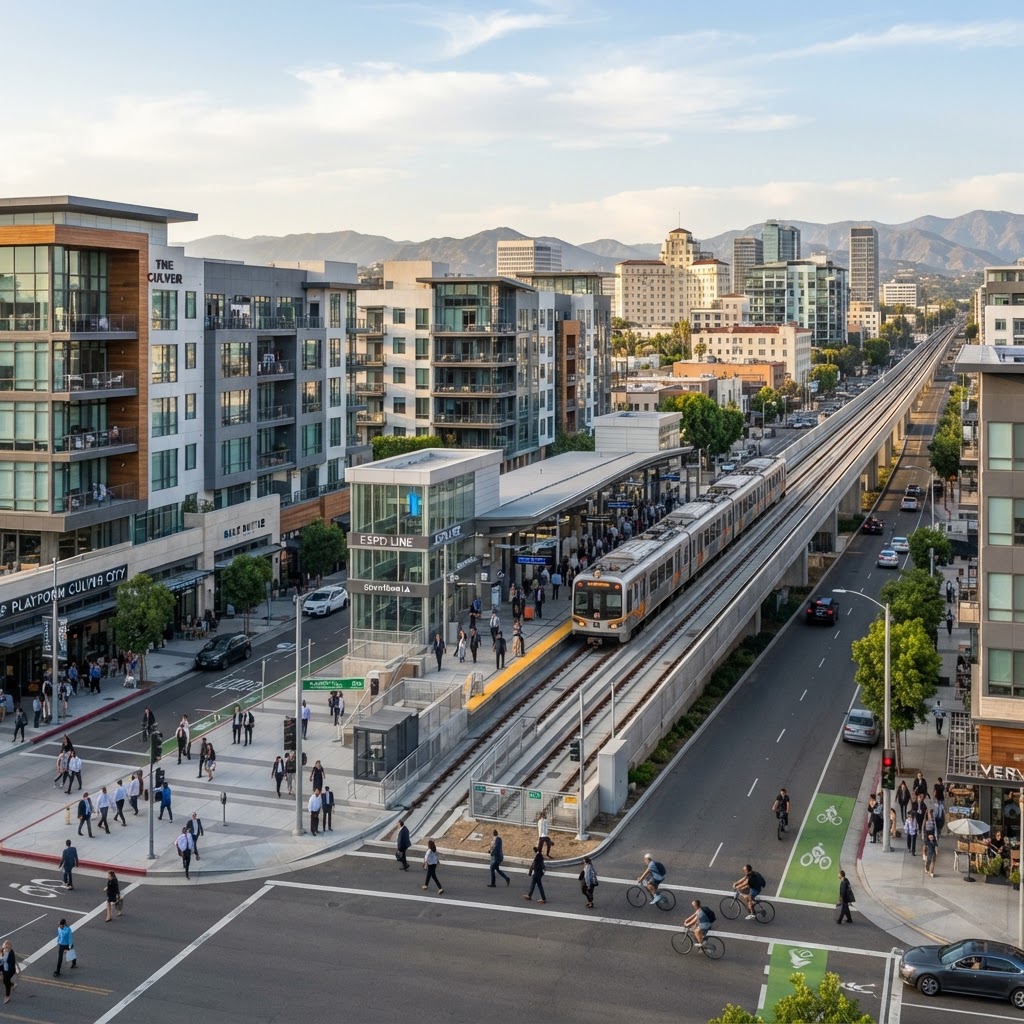
For decades, Culver City was defined by its dual identity as a sleepy bedroom community and a historic entertainment industry powerhouse. In 2026, that narrative has shifted. Following significant investment in the E Line (formerly Expo Line) corridor and the rapid expansion of the 'Silicon Beach' office submarket, Culver City has become a case study in how transit-oriented development (TOD) alters property values and neighborhood demographics.
The Economic Engine: From Studios to Tech Giants
According to Q2 2026 market data from CBRE, the Culver City submarket maintains some of the lowest office vacancy rates in Los Angeles County, despite national trends toward hybrid work. This resilience is anchored by the 'studio-to-tech' pipeline; major technology tenants have prioritized the area’s walkability and proximity to public transit as key factors for employee retention.
Community Features and Amenities
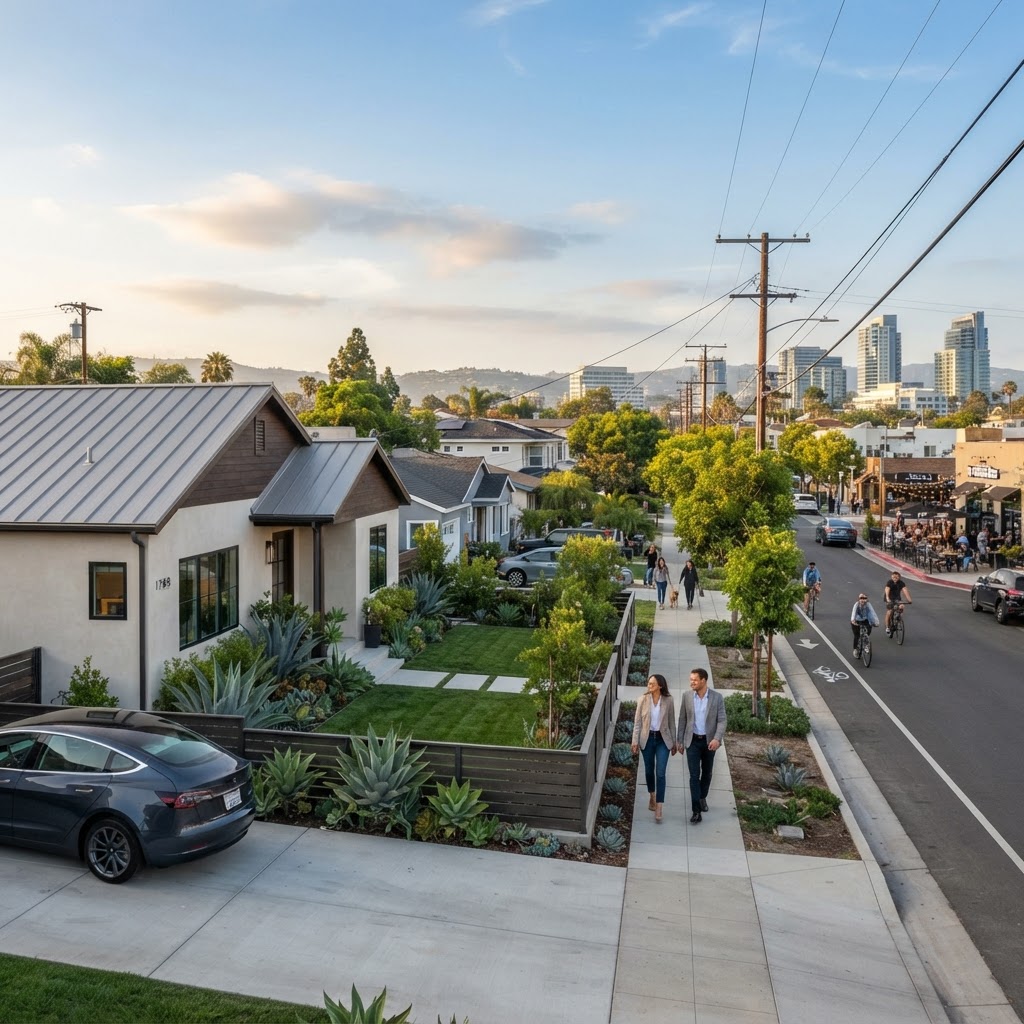
The neighborhood’s appeal is no longer strictly about its central location between Downtown LA and the coast. The revitalization of the Hayden Tract and the expansion of the Arts District have created a 'work-play' ecosystem. Recent municipal data indicates that pedestrian foot traffic in the downtown core has increased by 18% since 2024, bolstered by the expansion of protected bike lanes and the integration of micro-mobility hubs near the Culver City station.
Education and Infrastructure
The Culver City Unified School District (CCUSD) remains a primary driver for family home buyers. In 2026, the district has leaned heavily into STEM and arts-integrated curriculum, maintaining high rankings on state assessment scales. Infrastructure improvements, particularly the 'Move Culver City' initiative, have prioritized multi-modal transit, making the neighborhood one of the most accessible areas in the region for residents who prefer to forgo vehicle ownership.
Practical Takeaways for Market Participants
- For Investors: Focus on 'missing middle' housing opportunities. With the city’s recent adjustments to zoning mandates (following SB 9 and SB 10 implementations), small-scale multi-family conversions near the E Line corridor offer stable cap rates compared to single-family assets.
- For Buyers: The market has reached a period of stability in 2026. Prioritize properties within a 15-minute walk of the Culver City E Line station, as MLS data suggests these assets have appreciated 7% faster than the city-wide average over the last 24 months.
- For Sellers: Highlight 'walkability scores' and transit accessibility in disclosures. Buyers are increasingly valuing the reduction in commute-related costs and lifestyle flexibility over pure square footage.
The Outlook
Culver City’s evolution serves as a blueprint for other California municipalities. By aggressively coupling transit infrastructure with employment density, the city has created a resilient real estate market that balances urban ambition with historic charm. While affordability remains a challenge, the strategic shift toward higher-density housing suggests a path forward that favors long-term growth over speculative volatility.