The Elmwood Paradox
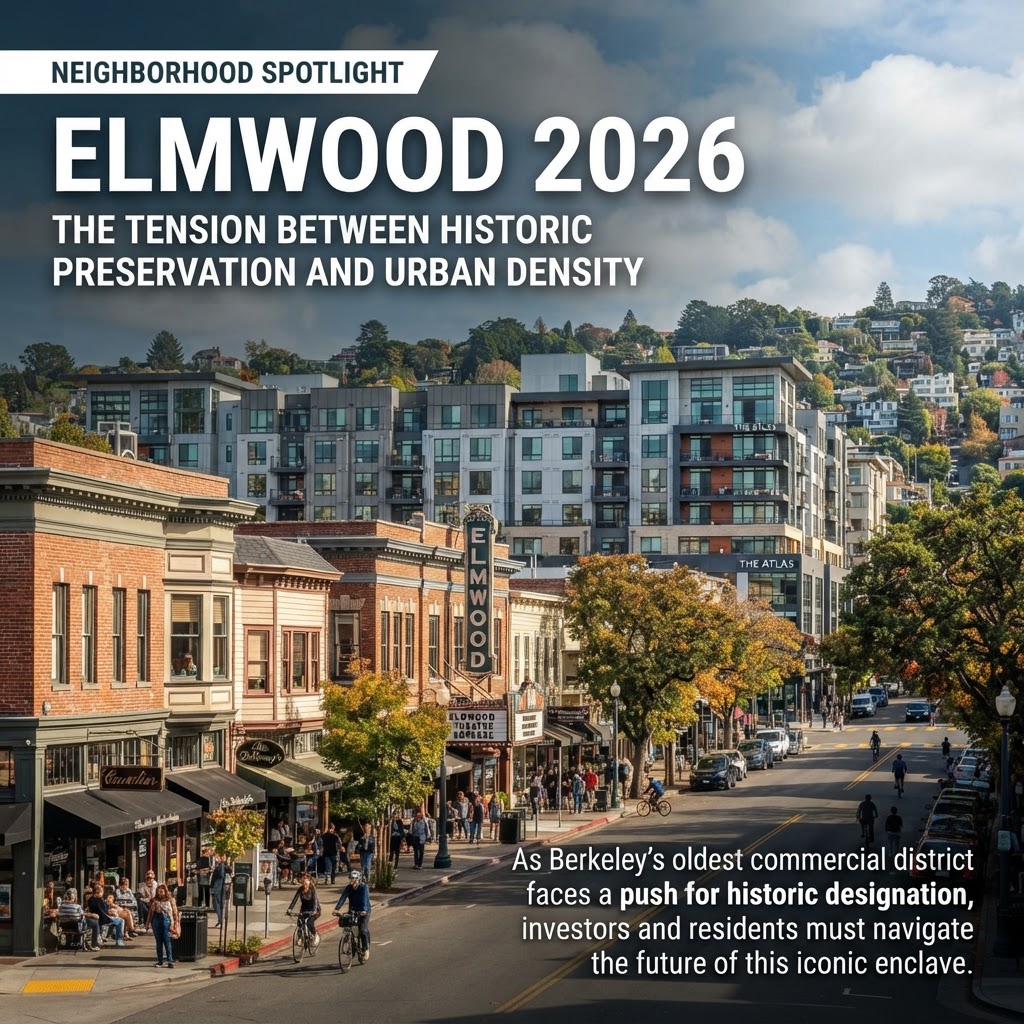
Elmwood, Berkeley’s oldest commercial district, stands at a critical juncture in 2026. Known for its retro-chic aesthetic and independent boutiques along College Avenue, the neighborhood is currently the site of a high-stakes debate regarding land use. While preservationists advocate for historic district status to protect the architectural integrity of the area, housing advocates argue that such measures are being used to stifle necessary density in one of the East Bay’s most desirable zip codes.
Community Features and Amenities
The neighborhood remains a cultural anchor for Berkeley. With over 50 independently owned boutiques and a diverse array of dining options, the area maintains a high walkability score. The Rialto Cinemas Elmwood continues to serve as a community hub, screening first-run films and maintaining the district's classic character. For residents, the proximity to the UC Berkeley campus—accessible via the 27, 51B, and 22 bus lines—makes it a perennial favorite for faculty and students alike.
Real Estate Market Dynamics
The Elmwood real estate market remains robust, characterized by high barriers to entry. Recent listings show a wide spectrum of pricing, with single-family homes often exceeding $1.5 million, while smaller multi-family units or condos provide a more accessible entry point for investors. Prospective buyers should note that the ongoing debate over historic zoning could impact future development potential. Properties located within the proposed historic district may face stricter renovation guidelines, which could influence long-term appreciation and utility.
Practical Takeaways for Stakeholders
- For Investors: Monitor the City of Berkeley’s zoning hearings closely. A successful historic designation could limit the ability to add density to commercial lots, potentially increasing the scarcity value of existing housing stock.
- For Buyers: Evaluate properties based on their current zoning status. If you are looking for a project with development upside, prioritize parcels outside the proposed historic boundaries.
- For Residents: Engage with local planning meetings. The outcome of the current debate will define the neighborhood's character for the next decade, balancing the preservation of its 20th-century charm with the urgent need for modern housing solutions.
As of September 2026, Elmwood remains a quintessential example of the California urban planning struggle: how to honor the past while accommodating the inevitable growth of a thriving university city.