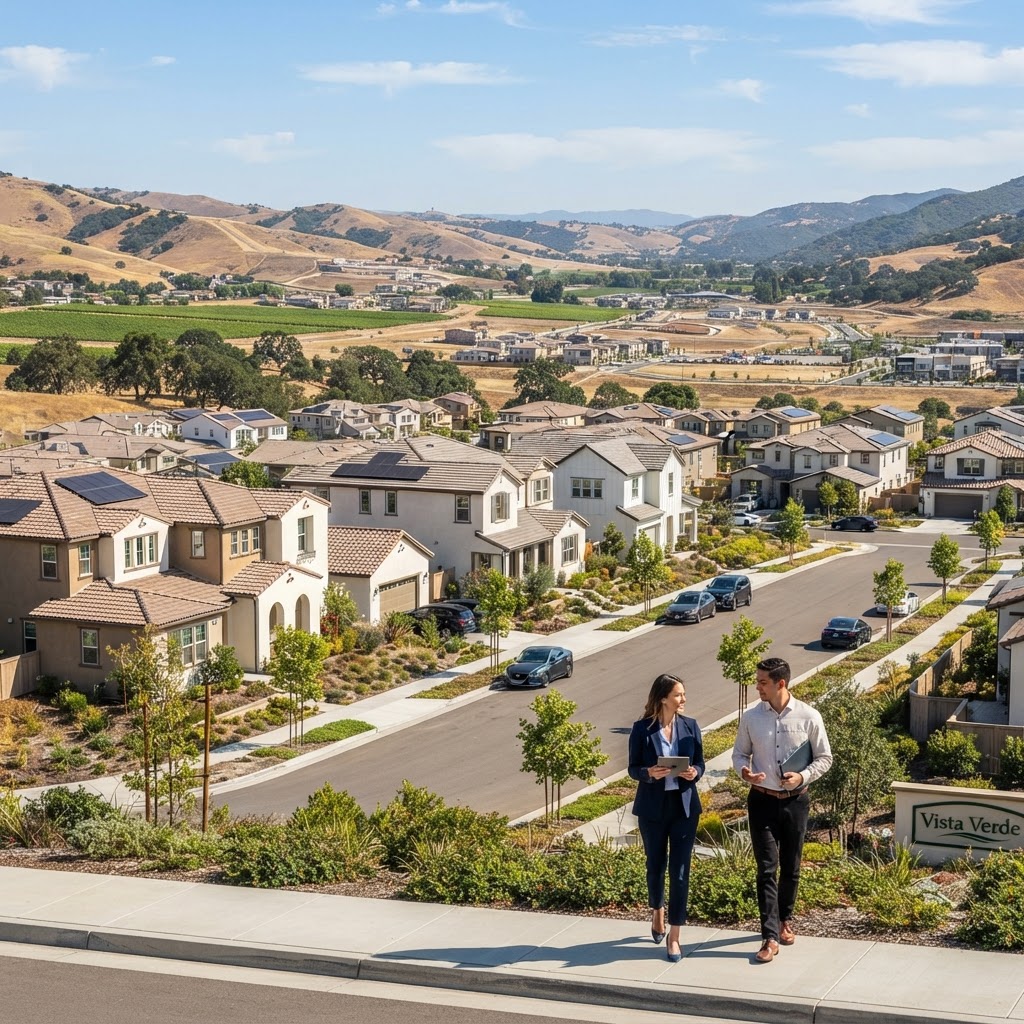
California’s real estate landscape in late 2026 is defined by a widening geographic and economic divergence. While coastal tier-one metros struggle under historic affordability constraints, a distinct capital migration is reshaping the state's secondary interior regions, most notably the Inland Empire and the Central Valley. Driven by stubborn mortgage costs and persistent ownership barriers in coastal hubs, both retail buyers and institutional operators are recalibrating their portfolios around inland corridors that offer achievable yield and attainable homeownership.
The Affordability Impasse in Coastal Gateways
According to data from the California Legislative Analyst's Office (LAO), only about 22% of California households qualified for a mid-tier home mortgage by mid-2026, down sharply from 31% in 2019. The monthly payment on a typical two-bedroom entry-level home has climbed to approximately $4,600—a 66% premium over the median monthly rent of $2,700 for a comparable property.
With statewide median single-family home prices hovering near record highs above $900,000 as tracked by the California Association of Realtors, first-time homebuyers and middle-income families across coastal hubs like Los Angeles, Orange County, and the Bay Area have encountered a practical ceiling. Rather than remaining locked into high-rent urban apartments indefinitely, an accelerating demographic segment is pivoting eastward toward markets where household incomes align more realistically with purchase prices and living space.
The Secondary Market Shift: Inland Empire and Central Valley
This demographic reprioritization is creating a structural boost for inland submarkets. While coastal markets experience sluggish transaction velocity, regions such as Riverside, San Bernardino, Fresno, and Sacramento are absorbing sustained demand from coastal out-migration.
- Inland Empire Logistics and Rental Demand: Anchored by Southern California’s vast freight and supply chain infrastructure, Riverside and San Bernardino counties continue to draw working-class households migrating out of higher-cost coastal enclaves. According to investor analysis from AHL Insights, strong local logistics employment combined with out-of-market commuter demand has maintained tight occupancy and predictable rent growth for well-located Class B and C residential assets.
- The Central Valley Value Proposition: In markets spanning Stockton down to Fresno and Bakersfield, price per square foot remains at a substantial discount to coastal California. Recent MLS and Redfin housing data shows that well-priced suburban single-family inventory in these interior valleys is experiencing elevated competition, with more than one in three properties continuing to draw offers above list price despite elevated interest rates.
Strategic Takeaways for Market Participants
Navigating this geographic shift requires distinct approaches depending on transaction goals:
1. For Residential Buyers and Relocators
Buyers looking for functional equity should evaluate emerging secondary submarkets with rail or transit connectivity into coastal employment hubs. While regional home prices continue to appreciate moderately, entry price points in the Central Valley and Inland Empire still allow buyers to qualify under conventional debt limits without overextending debt-to-income ratios.
2. For Rental Property Operators
Yield compression on prime coastal multi-family has made positive-carry acquisitions difficult to justify. In contrast, middle-market assets in secondary inland cities provide more sustainable debt-service coverage ratios (DSCR). Landlords should emphasize workforce housing assets within close proximity to major logistics hubs and regional medical centers, where tenant retention remains high and turnover friction is low.
3. For Long-Term Sellers
Inland homeowners and landholders are positioned in high-demand inventory tiers. With active inventory expanding gradually across the state, sellers in secondary markets must price realistically against recent closed comps to capture motivated coastal transferees, avoiding overpricing that leads to unnecessary listing staleness.


